Symptoms of Heart Disease in Women: Early Warning Signs, Risk Factors, and Heart Health Guide for Women
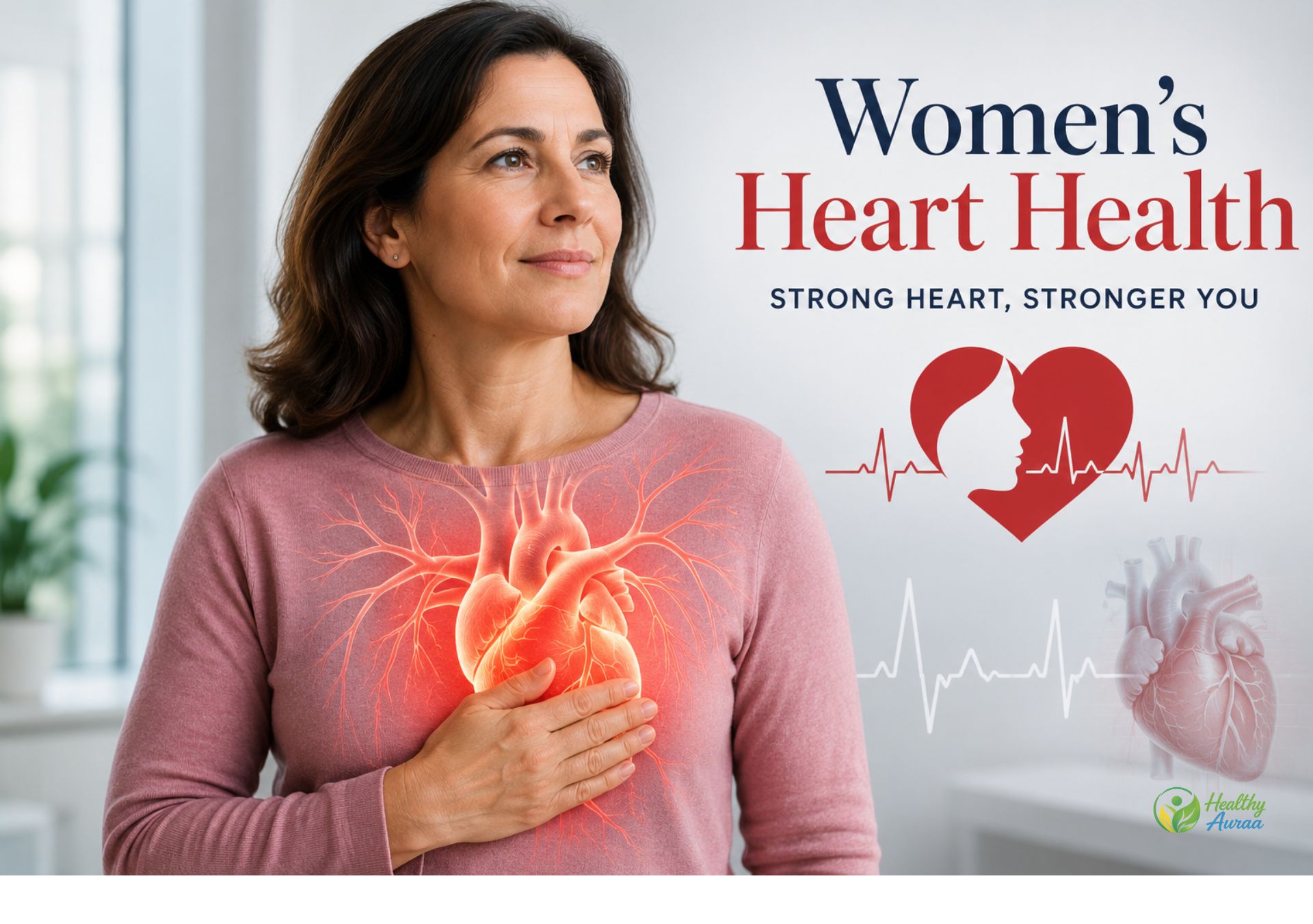
Discover the symptoms of heart disease in women, including early warning signs, risk factors, prevention strategies, and when to seek medical care. Learn how women’s heart disease differs from men’s and how early detection can save lives.
Table of Contents
Symptoms of Heart Disease in Women
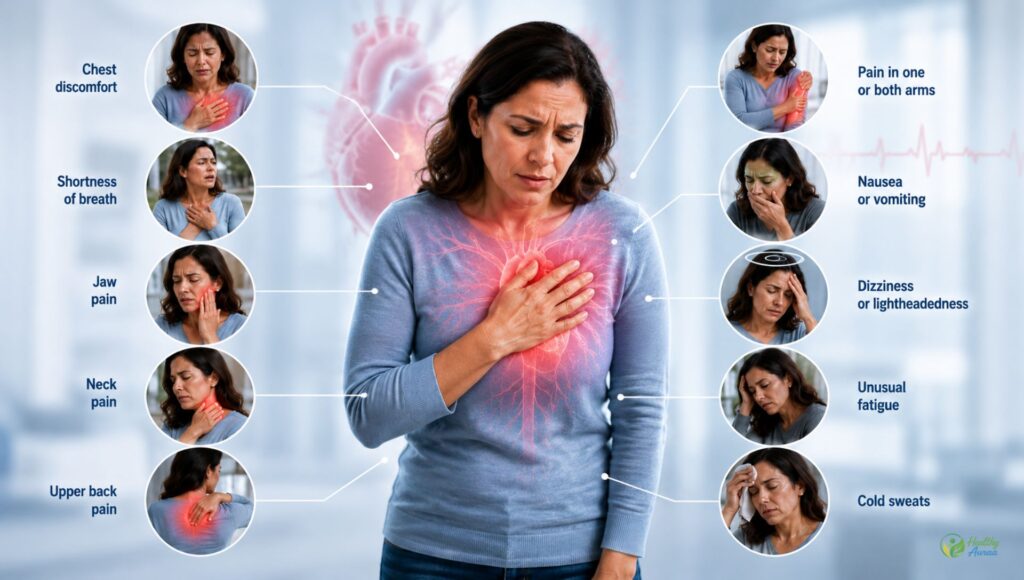
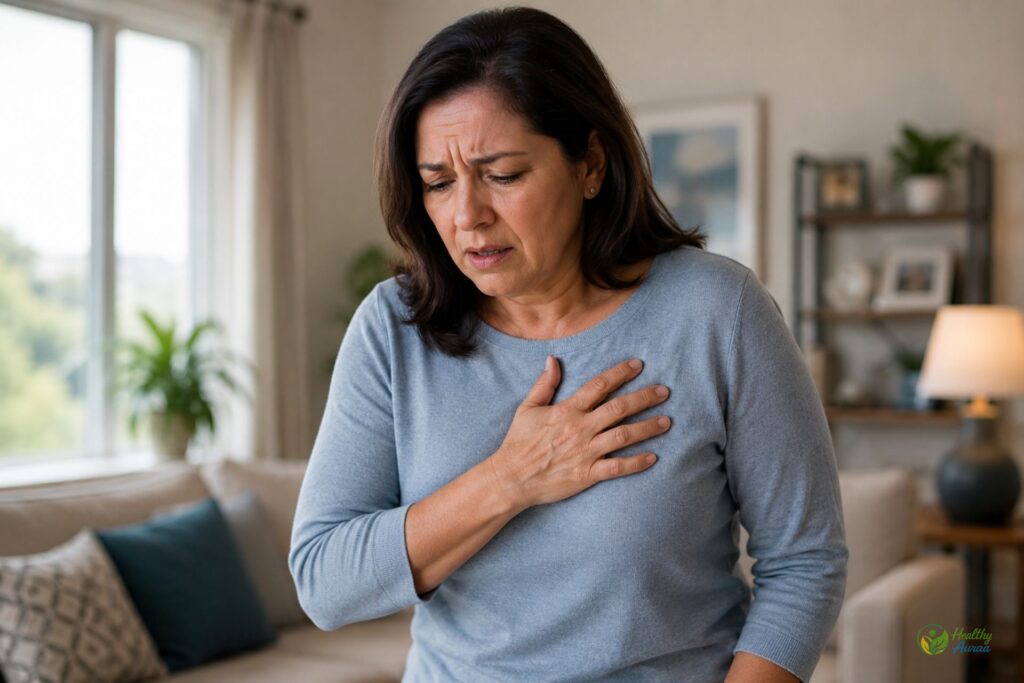
The symptoms of heart disease in women often appear differently than many people expect. Although movies and television usually show dramatic chest pain during a heart attack, women frequently experience subtle symptoms that develop gradually over time. Many women feel tired for long times before diagnosis. Others notice breathing difficulties, nausea, dizziness, or unusual discomfort while performing routine activities. Because these symptoms can resemble stress, indigestion, menopause, or exhaustion, they are sometimes overlooked until serious complications develop.
Across the United States, heart disease remains the leading cause of death among women. According to trusted medical organizations, including the CDC, NIH, Mayo Clinic, Cleveland Clinic, Harvard Health, and Johns Hopkins Medicine, early recognition substantially improves outcomes. Understanding the differences between men’s and women’s symptoms provides an important opportunity for earlier diagnosis and treatment. Learning about your body remains one of the most powerful tools for protecting your health.
Research continues to demonstrate that Heart disease in women presents unique challenges. The Heart attack symptoms in women may include Chest pain in women, Shortness of breath, Lightheadedness and dizziness, Nausea and vomiting, and even symptoms that occur during periods of emotional stress or sleep. Women are also more likely to develop conditions such as Coronary microvascular disease, Small vessel heart disease, and Nonobstructive coronary artery disease, which do not always produce the classic symptoms associated with blocked arteries.
Understanding these differences supports better outcomes. Early intervention improves survival rates and reduces complications associated with delayed treatment. Most importantly, recognizing subtle changes allows healthcare professionals to identify cardiovascular problems before significant heart damage occurs.
Women and Heart Disease
Heart disease affects women at every stage of life. Younger women may develop cardiovascular issues linked to pregnancy complications, diabetes, autoimmune diseases, or hereditary factors. Older women are often affected by menopause and age-related changes that impact the functioning of the heart and circulatory system. Although the risk increases with age, heart disease is not solely an issue for older individuals; in fact, early signs of the condition can appear in many women decades before a formal diagnosis is made. Protecting heart health begins with understanding how symptoms manifest and why the female cardiovascular system sometimes responds differently to the disease process.
The relationship between hormones and cardiovascular health warrants special attention. The decline in estrogen levels following menopause leads to changes in blood vessels that can increase the risk of heart disease in women. Furthermore, researchers are investigating the reasons behind the prevalence of coronary artery disease in women—specifically involving small blood vessels that traditional diagnostic tests sometimes fail to detect. This distinction helps explain why symptoms of heart disease differ in women and underscores the critical importance of individualized medical evaluations.
Symptoms associated with heart disease often include chest pain, upper back pain, and pain in the jaw or shoulders; however, such pain can also result from muscle strain. In women, the presentation of these symptoms can differ significantly from classic or textbook examples. For some women, symptoms develop gradually over several weeks, while others experience sudden warning signs during periods of emotional or physical stress. In many cases, these symptoms manifest during routine daily activities rather than during strenuous exercise. Understanding these patterns and symptoms raises awareness and facilitates timely medical evaluation.
The following table highlights several important differences commonly observed between women and men experiencing heart-related symptoms.
| Women’s Symptoms | Common Presentations |
| Chest discomfort | Pressure, fullness, burning sensations |
| Fatigue | Persistent exhaustion without explanation |
| Breathing changes | Shortness of breath during daily activities |
| Pain patterns | Jaw, neck, shoulder, arm, and upper back discomfort |
| Digestive symptoms | Heartburn or indigestion symptoms, nausea |
| Sleep-related symptoms | Symptoms during rest or sleep |
| Circulation changes | Lightheadedness and dizziness |
Protecting Female heart health requires awareness, prevention, and regular communication with healthcare professionals. Lifestyle choices matter significantly throughout every decade of life. Early detection frequently provides opportunities to prevent complications before permanent cardiovascular damage develops.
What Are the Heart Attack Symptoms for Women?
The symptoms of a heart attack in women often differ significantly from those typically portrayed in TV dramas and serials. Although severe chest pain remains a key warning sign, many women experience symptoms that do not appear to be related to a heart condition. Medical experts frequently emphasize that women should not ignore persistent fatigue, nausea, dizziness, or a sense of unexplained anxiety. When these subtle symptoms appear unexpectedly or intensify over time, they require immediate medical attention.
A significant difference relates to heart attacks occurring without chest pain. Instead of chest pain or intense pressure, some women experience sensations resembling indigestion or general discomfort. Many women feel pain in the jaw, shoulders, arms, or upper back without sensing any noticeable pressure in the chest itself. Medical experts are increasingly recognizing these varied symptoms when evaluating women for potential heart problems or heart attacks.
Early signs of a heart attack can include neck pain, pain in both arms, profuse sweating, unusual fatigue (particularly in women), and symptoms resembling heartburn or indigestion that may appear suddenly. Women sometimes report symptoms like flu-like illness or overwhelming exhaustion instead of severe pain. These warning signs can manifest hours or even days before a serious cardiac event occurs. Recognizing these early changes significantly improves treatment outcomes.
Emotional health also affects cardiovascular function. Studies examining the link between emotional stress and heart attacks indicate that significant emotional distress can contribute to cardiovascular complications in susceptible individuals. Stress-related hormonal responses affect blood pressure, circulation, and the heart’s workload. Therefore, symptoms experienced during stressful situations should never be ignored, even if they appear mild at first.
| Early Warning Signs | Possible Symptoms |
| Breathing difficulties | Shortness of breath |
| Digestive complaints | Nausea and vomiting |
| Pain symptoms | Jaw, neck, shoulder, and arm discomfort |
| Sleep-related changes | Symptoms during rest or sleep |
| Physical exhaustion | Severe fatigue and weakness |
| Circulatory changes | Dizziness and sweating |
| Chest symptoms | Pressure, burning, or fullness sensations |
Many women experiencing Women’s heart attack symptoms without chest pain delay seeking emergency care because they do not recognize their symptoms as potentially life-threatening. Prompt medical evaluation remains essential whenever symptoms suddenly develop or progressively worsen.
Heart Disease Risk Factors Specific to Women
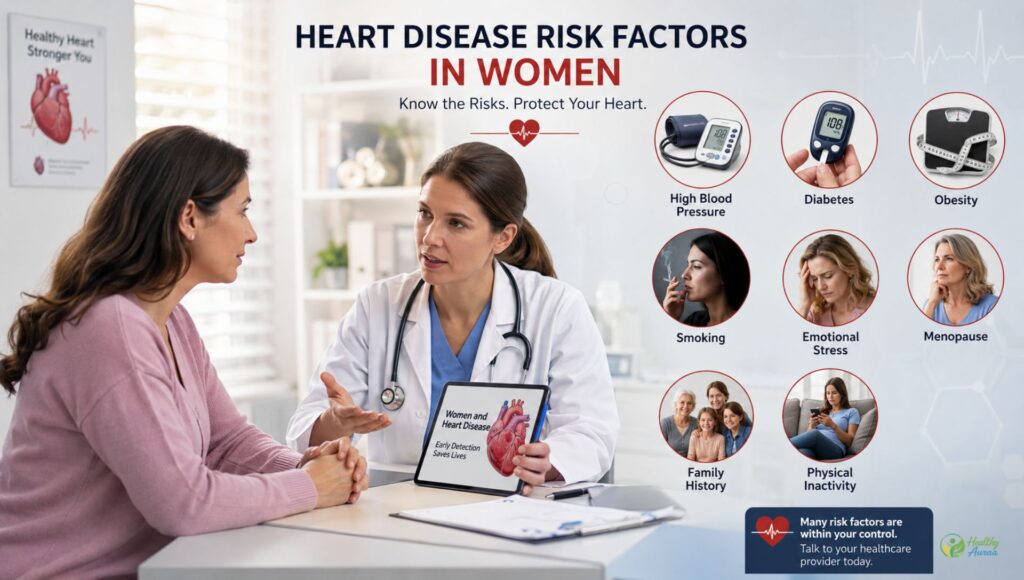
The development of cardiovascular disease rarely results from a single factor. Instead, multiple biological, lifestyle, and genetic influences frequently contribute to long-term cardiovascular risks. Understanding Heart disease risk factors for women allows healthcare professionals to identify individuals who may benefit from preventive interventions before symptoms develop.
Several medical conditions significantly increase cardiovascular risks among women. These include High blood pressure, High cholesterol levels, Obesity and heart disease, Diabetes and heart disease in women, and Family history of heart disease. Women experiencing pregnancy complications such as gestational diabetes or preeclampsia often face elevated cardiovascular risks later in life. Similarly, declining hormone levels contribute to Menopause and heart disease risk, emphasizing the importance of regular preventive healthcare throughout adulthood.
Autoimmune disorders also deserve careful consideration. Research continues demonstrating associations between Autoimmune diseases and heart disease, particularly among women diagnosed with Lupus and cardiovascular disease or Scleroderma and heart disease. Chronic inflammation influences blood vessel health and may accelerate cardiovascular complications when left inadequately managed. Furthermore, smoking substantially contributes to Blood vessel damage from smoking, increasing risks associated with hypertension and vascular disease.
Physical health remains closely connected to daily habits. Smoking and cardiovascular disease, Physical inactivity, and unmanaged emotional stress collectively contribute to adverse cardiovascular outcomes. Healthcare professionals increasingly recognize relationships between Depression and heart health, particularly because chronic stress hormones may negatively influence circulation, sleep quality, and metabolic health over extended periods.
| Major Risk Factors | Cardiovascular Effects |
| High blood pressure | Increased arterial stress |
| Diabetes | Blood vessel damage |
| Smoking | Reduced circulation |
| High cholesterol | Plaque development |
| Menopause | Hormonal cardiovascular changes |
| Obesity | Increased cardiac workload |
| Autoimmune disease | Chronic inflammation |
| Physical inactivity | Reduced cardiovascular fitness |
Understanding Risk factors for cardiovascular disease in females provides valuable opportunities for prevention. Early lifestyle modifications frequently produce substantial long-term benefits when implemented consistently throughout adulthood.
When to See a Doctor
Recognizing when symptoms require medical evaluation remains critically important. The Symptoms of heart disease in women do not always begin dramatically. Persistent fatigue, unexplained dizziness, or digestive discomfort may appear harmless initially. However, subtle changes occasionally represent early indicators of cardiovascular disease. Seeking timely medical advice frequently prevents complications and supports earlier treatment interventions.
Immediate medical attention becomes necessary whenever symptoms suggest possible cardiac emergencies. Persistent chest discomfort, difficulty breathing, severe weakness, sudden sweating, or pain radiating into the jaw and arms warrant urgent evaluation. Delaying emergency care significantly increases risks associated with heart attacks and related complications.
Preventive healthcare provides equally important benefits. Regular appointments support Heart disease screening, Cardiovascular risk assessment, and ongoing monitoring of important health measurements. Healthcare professionals routinely evaluate blood pressure, cholesterol levels, blood glucose, weight, and family medical histories when determining individualized cardiovascular risks.
Early detection substantially improves treatment outcomes among women experiencing cardiovascular disease. Learning to recognize changing symptoms empowers informed healthcare decisions and supports better long-term cardiovascular wellness. Protecting your heart begins with paying attention to what your body communicates every day.
Unusual Fatigue Can Be a Sign of Heart Disease in Women
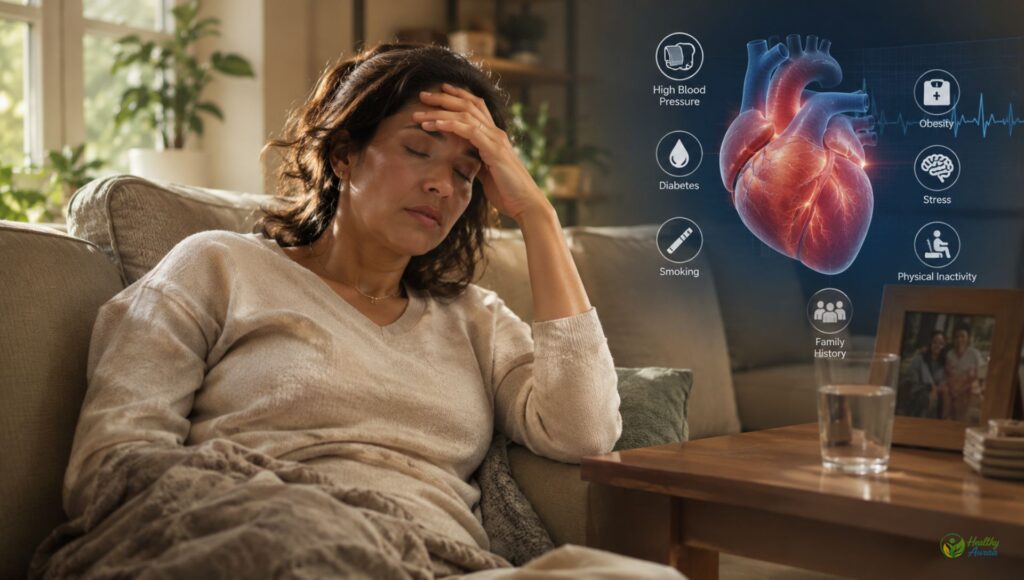
Many women expect heart disease to cause sudden chest pain. However, one of the most overlooked warning signs is persistent and unexplained fatigue. The Symptoms of heart disease in women may begin with exhaustion that feels entirely different from normal tiredness. You may sleep well at night and still wake feeling drained. Everyday activities that once felt effortless may suddenly become difficult. Walking across a parking lot, carrying groceries, or climbing a flight of stairs may leave you unusually exhausted.
Medical researchers have found that Unusual fatigue in women frequently appears weeks before a cardiac event occurs. Unlike ordinary fatigue, this symptom does not always improve with rest. Some women describe it as feeling as though their body has suddenly become heavier or that they no longer have their usual energy levels. Others experience fatigue accompanied by weakness, mild dizziness, or difficulty concentrating throughout the day.
The connection between fatigue and cardiovascular disease often relates to changes in blood flow and oxygen delivery throughout the body. When the heart cannot pump efficiently, muscles and organs may not receive adequate oxygen during physical activities. Consequently, your body begins working harder to accomplish routine tasks. This explains why fatigue occasionally develops long before more recognizable symptoms appear. Healthcare providers increasingly recognize fatigue as one of the important Early signs of heart disease in females.
Sleep quality also deserves consideration when evaluating cardiovascular health. The Symptoms during rest or sleep associated with cardiovascular disease occasionally include nighttime discomfort, breathing difficulties, or waking unexpectedly feeling short of breath. Some women experience worsening fatigue despite maintaining healthy sleep routines. Therefore, persistent changes should never be ignored simply because they seem unrelated to heart health.
Emerging evidence suggests that fatigue frequently accompanies conditions such as Coronary microvascular disease and Small vessel heart disease, both of which occur more commonly among women than previously recognized. Identifying these symptoms early creates opportunities for appropriate testing and treatment before significant cardiovascular complications develop.
Shortness of Breath and Cardiac Concerns in Women
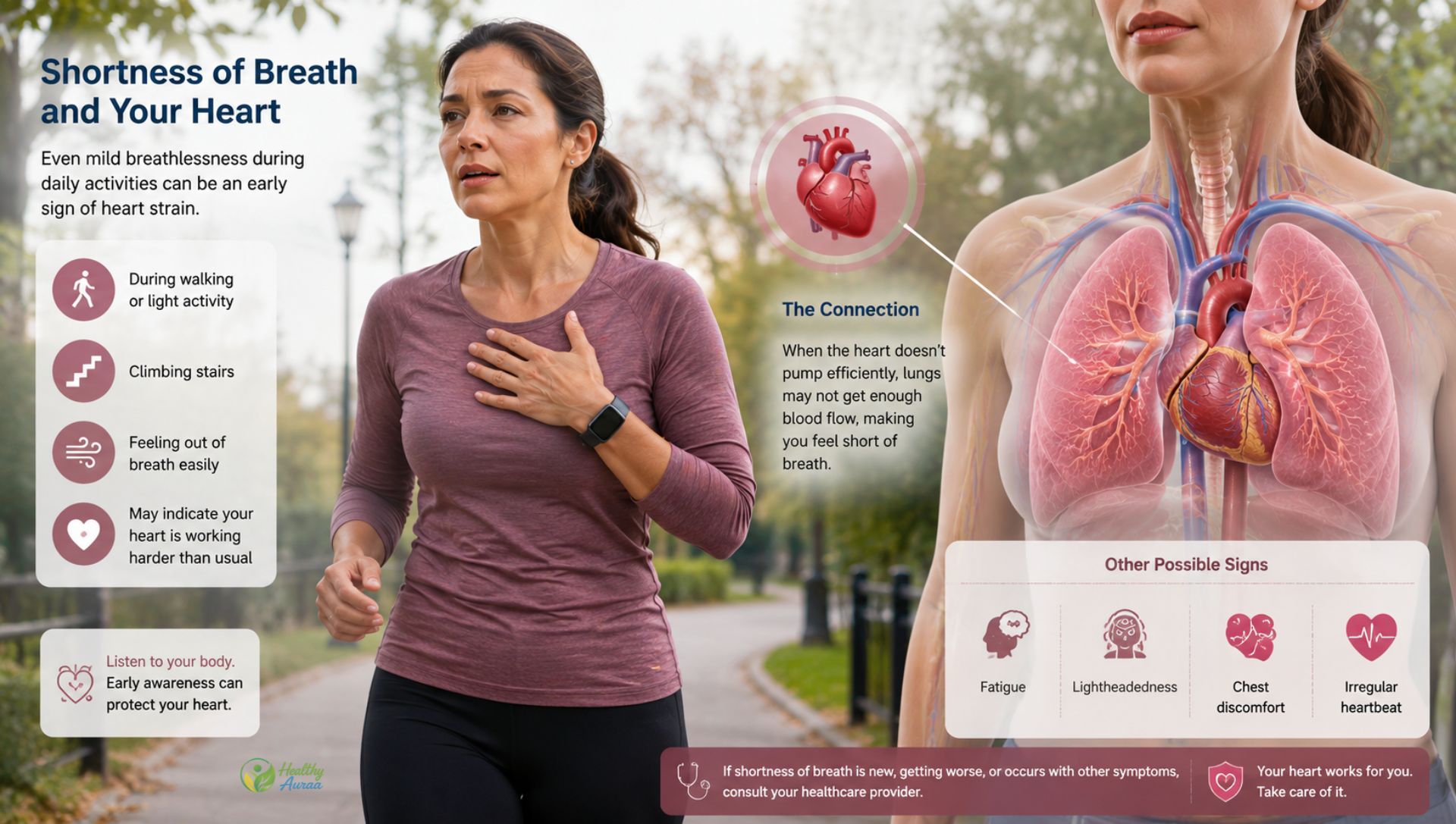
Breathing changes deserve immediate attention when they occur unexpectedly or progressively worsen over time. The Symptoms of heart disease in women frequently include Shortness of breath during activities that previously felt comfortable. Some women notice they become winded while speaking, walking short distances, or completing household tasks. Others develop breathing difficulties while resting quietly or attempting to sleep.
Your heart and lungs work together continuously. When cardiovascular function becomes impaired, the body’s ability to circulate oxygen-rich blood may decline. Consequently, breathing may feel more difficult than usual. This symptom often develops gradually, making it particularly easy to overlook during busy daily routines. Women commonly attribute breathing changes to stress, aging, or reduced physical fitness rather than considering potential cardiovascular causes.
Medical professionals emphasize that Women’s cardiovascular health requires evaluating symptoms collectively rather than individually. Mild breathing difficulties accompanied by fatigue, dizziness, or chest discomfort may warrant further medical assessment. When multiple symptoms occur together, healthcare providers gain valuable insights regarding underlying cardiovascular function and potential risk factors requiring treatment.
Regular movement supports cardiovascular wellness throughout life. The combination of Moderate exercise for heart health, Daily physical activity, and Walking for cardiovascular health strengthens both cardiac and respiratory systems. Even modest increases in physical activity frequently improve circulation and endurance. Furthermore, research continues demonstrating the significant role of Exercise and blood pressure control in reducing long-term cardiovascular risks among women.
The following table highlights common breathing-related symptoms that deserve medical attention.
| Symptom | Possible Concern |
| Shortness of breath during routine activities | Reduced cardiovascular efficiency |
| Breathing difficulties while resting | Cardiovascular evaluation may be needed |
| Worsening exercise intolerance | Changes in circulation |
| Nighttime breathing discomfort | Requires medical assessment |
| Fatigue accompanied by breathing changes | Early cardiovascular symptoms |
Persistent breathing difficulties should never be dismissed as normal aging. Early intervention remains one of the most effective strategies for protecting long-term cardiovascular health.
Jaw, Neck or Back Pain Are Red Flags for Heart Disease in Women
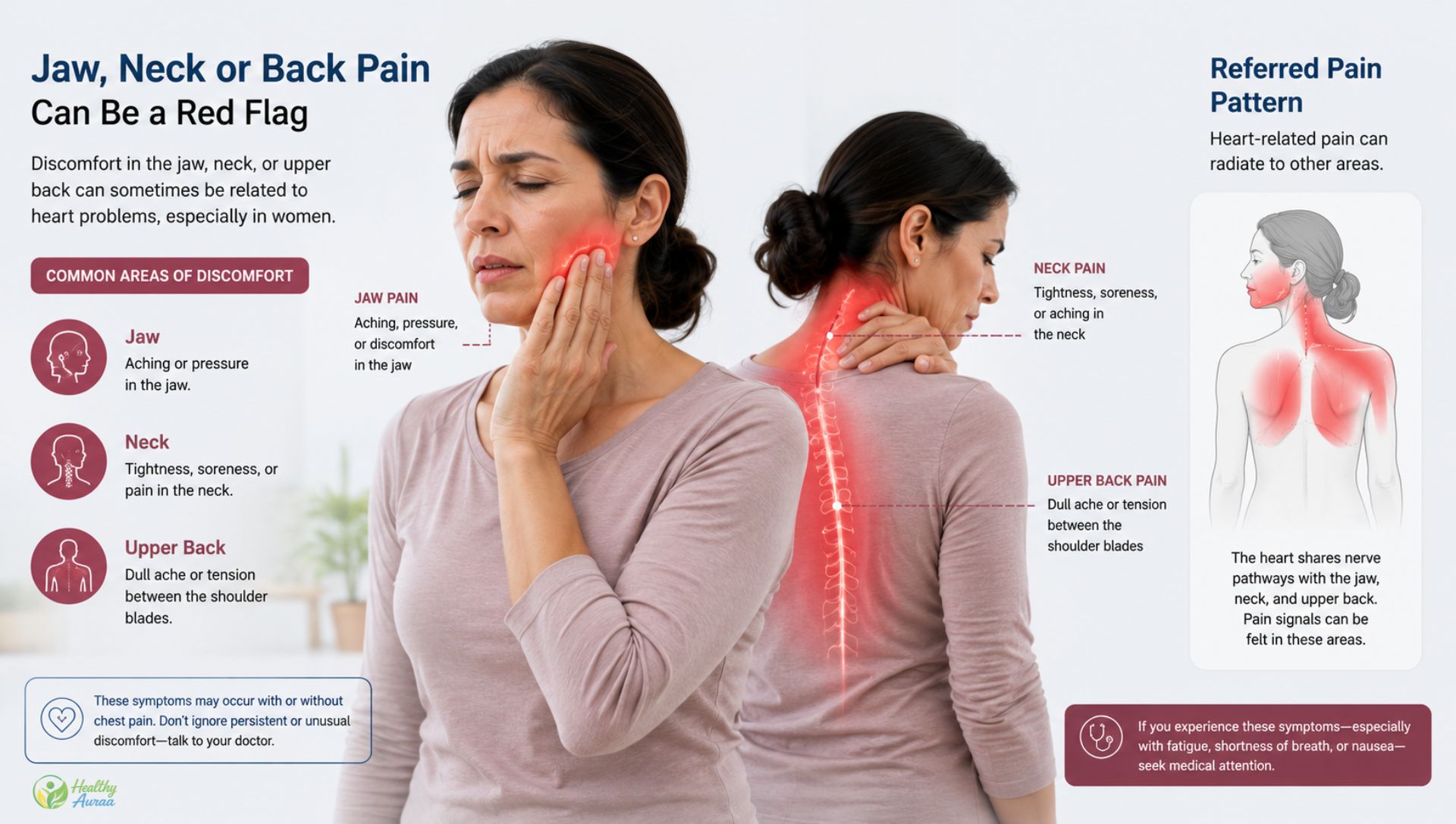
Pain patterns associated with cardiovascular disease frequently surprise many women. While severe chest pain remains an important symptom, cardiac discomfort may radiate into other areas of the body. The Symptoms of heart disease in women commonly include Neck pain during heart attack, Jaw pain and heart attack, Shoulder pain heart attack symptom, and Upper back pain in women. These symptoms occasionally appear without noticeable chest discomfort, creating challenges during early diagnosis.
Women experiencing heart-related issues often describe different sensations compared to men. Instead of severe pain, many report pressure, a burning sensation, aching, or intermittent discomfort that gradually worsens throughout the day. Since these symptoms resemble muscle strain or arthritis, they may go untreated for extended periods. Understanding these differences plays a crucial role in the early identification of heart disease symptoms that require professional medical evaluation.
Cardiovascular pain occurs because nerve pathways occasionally transmit signals beyond the heart itself. Consequently, discomfort originating within the chest may become noticeable in the neck, shoulders, jaw, or upper back. Some women also experience Pain in both arms that develops suddenly during physical activity or emotional stress. Healthcare providers encourage women to pay attention to unusual combinations of symptoms rather than waiting for severe chest pain to occur.
Researchers continue investigating why Coronary artery disease in women occasionally presents differently than traditional cardiovascular disease patterns. Conditions affecting smaller blood vessels may produce subtle symptoms that fluctuate throughout the day. Consequently, understanding the unique presentations associated with Women’s heart disease remains increasingly important for both patients and healthcare professionals.
The following symptoms should prompt immediate medical evaluation when they occur unexpectedly or worsen rapidly.
| Pain Symptoms | Common Description |
| Jaw pain | Pressure or aching sensations |
| Neck discomfort | Persistent or radiating pain |
| Upper back pain | Burning or tightness |
| Shoulder discomfort | One-sided or bilateral symptoms |
| Arm pain | Pain in one or both arms |
| Combined symptoms | Pain accompanied by fatigue or nausea |
Recognizing these warning signs may significantly improve outcomes associated with early diagnosis and treatment.
Heart Disease in Women May Cause Dizziness or Lightheadedness
Episodes of dizziness occasionally represent important cardiovascular warning signs. The Symptoms of heart disease in women sometimes include sudden feelings of imbalance, faintness, or weakness that develop without obvious explanations. Women frequently describe these sensations as feeling disconnected, unsteady, or unable to concentrate properly during routine activities. Although dizziness has many potential causes, persistent or unexplained symptoms deserve medical attention.
Changes in circulation frequently contribute to Lightheadedness and dizziness associated with cardiovascular disease. When adequate amounts of oxygen-rich blood do not reach the brain efficiently, symptoms such as weakness or faintness may develop. In some cases, dizziness occurs alongside nausea, sweating, chest discomfort, or breathing difficulties. Evaluating symptoms collectively improves the accuracy of cardiovascular assessments.
Research examining Silent heart attack symptoms in women demonstrates that cardiovascular events occasionally occur without dramatic warning signs. Mild dizziness accompanied by fatigue or digestive symptoms may represent subtle indicators requiring further investigation. Likewise, Heart attack without chest pain presentations remain significantly more common among women than previously appreciated. This reinforces the importance of considering cardiovascular disease whenever unexplained symptoms develop unexpectedly.
Protecting Female heart health involves understanding how seemingly unrelated symptoms occasionally share cardiovascular causes. Maintaining regular appointments for Heart disease screening allows healthcare professionals to identify developing concerns before complications arise. Preventive healthcare remains one of the most valuable tools available for supporting lifelong cardiovascular wellness.
Persistent dizziness should never become part of your normal routine. When symptoms repeatedly interfere with daily life, professional medical evaluation provides important answers and opportunities for early intervention.
Chest Discomfort in Women
Many women associate heart disease exclusively with severe chest pain. In reality, cardiovascular discomfort frequently presents as pressure, tightness, fullness, burning sensations, or mild soreness. The Symptoms of heart disease in women often involve subtle changes that fluctuate throughout the day. Consequently, women occasionally delay seeking medical care because symptoms seem too mild to represent serious illness.
The term Chest pain in women includes numerous possible sensations. Some women describe feeling as though something heavy rests upon their chest. Others experience burning discomfort resembling indigestion or acid reflux. Heartburn or indigestion symptoms occasionally accompany cardiovascular disease and may appear without significant pain. Distinguishing digestive discomfort from cardiac symptoms frequently requires professional medical evaluation.
Researchers continue studying the relationships among Nonobstructive coronary artery disease, Small vessel heart disease, and atypical symptom presentations among women. These conditions may produce chest discomfort that differs substantially from traditional cardiovascular disease patterns. Understanding these differences supports earlier diagnosis and improves opportunities for successful treatment interventions.
Emotional health influences cardiovascular function in meaningful ways. Studies examining Emotional stress and heart attacks demonstrate that intense stress occasionally contributes to symptom development among susceptible individuals. Managing stress effectively supports both emotional wellness and cardiovascular health. Techniques that encourage relaxation frequently complement broader preventive healthcare strategies.
The following table summarizes common chest-related symptoms experienced by women.
| Chest Symptoms | Description |
| Chest pressure | Feeling of fullness or heaviness |
| Burning discomfort | Similar to indigestion |
| Tightness | Mild or severe sensations |
| Chest discomfort at rest | Requires medical evaluation |
| Chest symptoms with nausea | Possible cardiovascular concern |
| Chest discomfort with fatigue | Early warning sign in some women |
Understanding the unique presentations associated with Cardiovascular disease in women strengthens awareness and supports timely healthcare decisions. Early recognition continues to play a vital role in improving long-term cardiovascular outcomes among women.
Living a Heart-Healthy Lifestyle
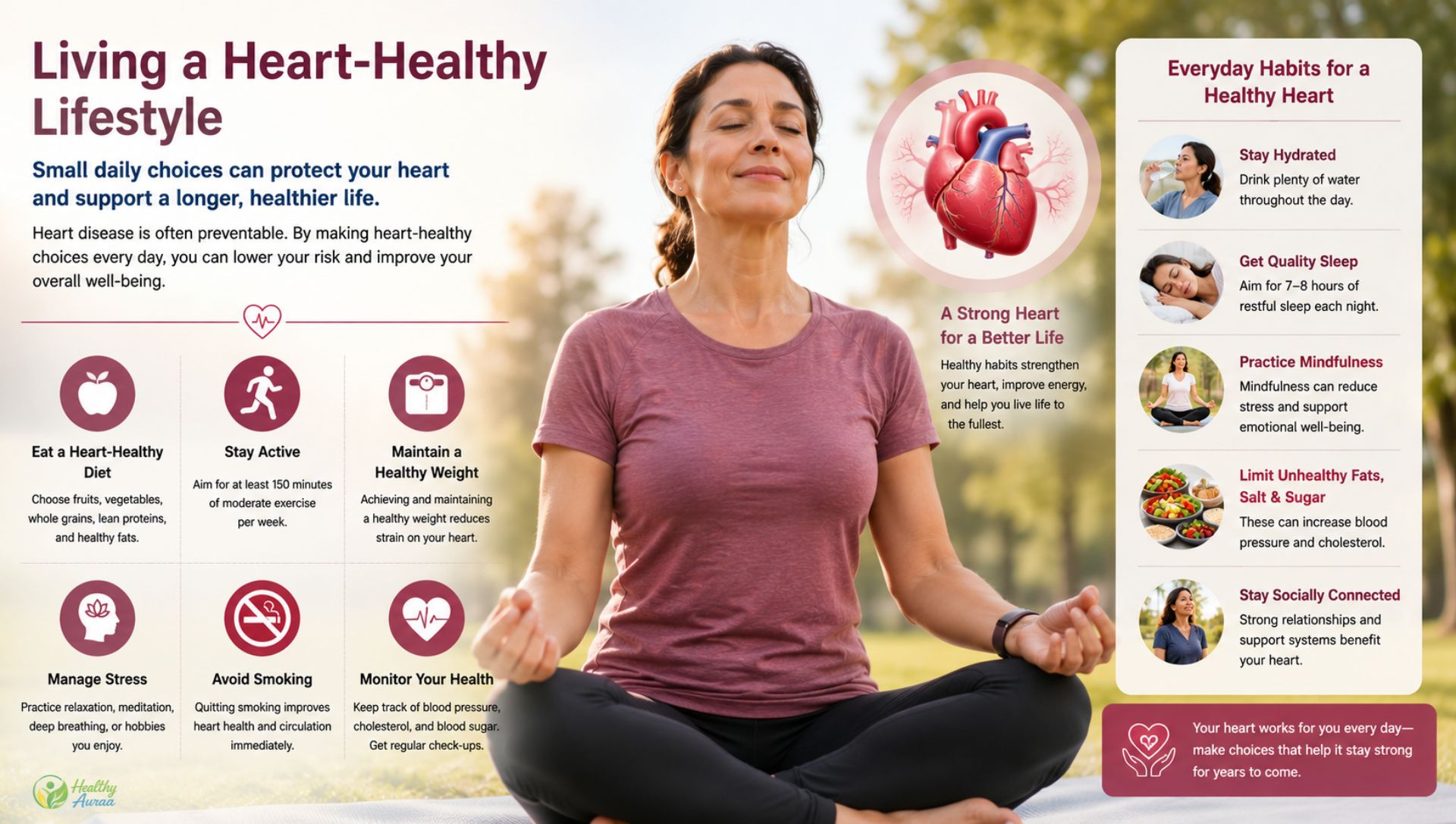
Protecting your heart begins with the choices you make each day. A Heart-healthy lifestyle does not require dramatic changes overnight. Instead, small and consistent habits often produce the greatest long-term benefits. Research from major medical institutions continues to show that lifestyle changes significantly reduce cardiovascular risks among women. Developing healthier routines supports both physical and emotional well-being throughout every stage of life.
Nutrition remains one of the foundations of Heart disease prevention. Choosing a balanced Heart-healthy diet helps improve circulation, supports healthy cholesterol levels, and reduces inflammation throughout the body. Incorporating Whole grain foods, Fruits and vegetables for heart health, Low-fat dairy products, and Lean protein foods into your daily meals provides important nutrients that support cardiovascular function. Likewise, Reducing salt intake and Avoiding trans fats contribute to healthier blood pressure and cholesterol management over time.
Maintaining a healthy weight also plays a meaningful role in cardiovascular wellness. Sustainable Weight management practices improve metabolic health while lowering risks associated with diabetes and hypertension. Developing healthy eating patterns becomes particularly important for women experiencing Heart disease after menopause, as hormonal changes may influence cardiovascular risk profiles. Medical professionals increasingly recognize the relationship between lifelong nutrition habits and Women’s cardiovascular health outcomes later in life.
Emotional wellness deserves equal attention when discussing cardiovascular care. Effective Stress management techniques reduce the physiological effects of chronic stress upon the body. Activities promoting Mindfulness for heart health, including meditation, breathing exercises, and adequate rest, support healthier cardiovascular responses during stressful situations. Prioritizing emotional health contributes meaningfully to overall wellness while complementing traditional preventive strategies.
Daily lifestyle choices continue influencing cardiovascular outcomes across every decade of life. The combination of Limiting alcohol consumption, practicing Blood pressure control, maintaining Blood sugar management, supporting effective Cholesterol management, establishing Healthy sleep habits, and scheduling Regular health checkups creates a comprehensive foundation for lifelong heart health. Protecting your heart remains an ongoing investment that benefits both present and future well-being.
| Heart-Healthy Habits | Long-Term Benefits |
| Heart-healthy diet | Improved cardiovascular function |
| Healthy sleep habits | Better recovery and hormone balance |
| Blood pressure control | Reduced cardiovascular complications |
| Weight management | Improved metabolic health |
| Regular health checkups | Earlier disease detection |
| Stress management | Improved emotional and heart health |
Exercise and Heart Health
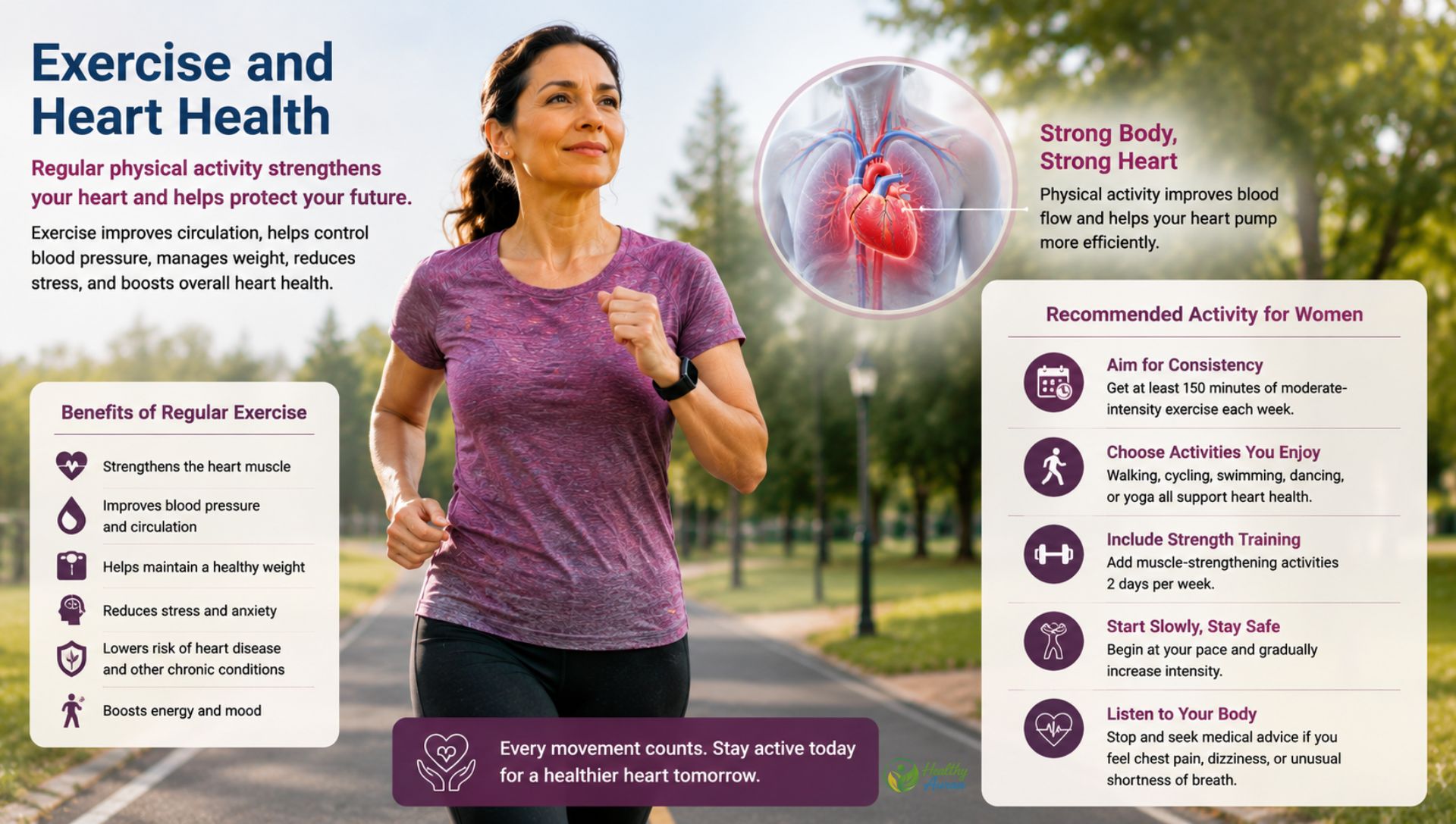
Physical activity remains one of the most effective tools available for supporting cardiovascular wellness. Regular movement strengthens the heart muscle, improves circulation, and contributes significantly to Exercise for heart health throughout adulthood. Women do not need intensive workouts to experience meaningful benefits. Consistency often matters more than intensity when developing sustainable fitness habits that support lifelong cardiovascular health.
Healthcare professionals often recommend balanced exercise for heart health because it offers significant benefits while remaining accessible to many people. Activities such as walking, cycling, swimming, and light resistance training improve endurance and support healthy circulation. Even a modest increase in movement throughout the day has a positive impact on cardiovascular outcomes. Habits that encourage regular physical activity lead to meaningful improvements in both physical and emotional health.
Researchers continue documenting the significant Brisk walking benefits associated with cardiovascular health. Walking remains one of the simplest and most effective forms of exercise available. Likewise, appropriately designed Strength training exercises improve muscular health while contributing positively to metabolism and cardiovascular function. Some individuals may also benefit from supervised Interval training workouts, which alternate periods of moderate and higher-intensity activity according to individual health needs and fitness levels.
The importance of Daily physical activity extends beyond cardiovascular health alone. Regular movement supports maintaining a Healthy body weight, improves sleep quality, and positively influences emotional wellness. Healthcare providers increasingly emphasize Walking for cardiovascular health because it requires minimal equipment while providing significant long-term benefits. Furthermore, research examining Exercise and blood pressure control continues demonstrating improvements in cardiovascular outcomes among physically active individuals.
Developing personalized exercise routines contributes meaningfully to Fitness and heart disease prevention strategies. Women with existing medical conditions should consult healthcare professionals before beginning vigorous exercise programs. Safe and sustainable fitness plans frequently become lifelong investments in cardiovascular wellness and overall quality of life.
| Recommended Activities | Potential Benefits |
| Brisk walking | Improved circulation and endurance |
| Strength training | Increased muscular and metabolic health |
| Swimming | Low-impact cardiovascular conditioning |
| Cycling | Enhanced cardiovascular fitness |
| Moderate exercise | Better blood pressure management |
| Daily physical activity | Long-term heart disease preventio |
How Can Women Prevent Heart Disease?
Learning How to prevent heart disease in women begins with understanding that prevention involves both medical care and healthy daily habits. Cardiovascular disease develops gradually over time in many cases. Consequently, preventive measures implemented early often produce meaningful lifelong benefits. Women who actively manage their health frequently improve both cardiovascular outcomes and overall wellness.
Understanding individual risk profiles represents an important component of prevention. Healthcare providers routinely evaluate personal and family medical histories when determining cardiovascular risks. Conditions involving Diabetes and women’s cardiovascular risk, hypertension, obesity, and autoimmune disorders frequently require proactive management strategies. Likewise, awareness of Risk factors for cardiovascular disease in females supports informed healthcare decisions throughout adulthood.
Lifestyle modifications remain central to effective prevention strategies. Medical research consistently demonstrates that Healthy lifestyle changes for heart disease prevention positively influence cardiovascular health. Maintaining balanced nutrition, engaging in regular exercise, and practicing appropriate stress management techniques contribute significantly to reducing long-term cardiovascular complications. Prevention rarely depends upon a single intervention. Instead, cumulative healthy choices frequently produce the greatest benefits over time.
Advances in preventive medicine continue expanding opportunities for earlier intervention. The growing field of Preventive cardiology emphasizes personalized approaches that identify cardiovascular risks before symptoms become severe. Preventive healthcare strategies increasingly support Protecting women’s heart health naturally through comprehensive assessments involving nutrition, physical activity, sleep, emotional wellness, and medical monitoring.
Preventing cardiovascular disease requires ongoing commitment rather than temporary lifestyle changes. Developing sustainable habits today frequently creates meaningful health benefits that extend well into the future. Early prevention remains one of the most effective approaches for supporting lifelong cardiovascular wellness among women.
Preventing Heart Disease Through Screening
Early detection continues transforming cardiovascular care throughout the United States. Comprehensive Heart disease screening allows healthcare professionals to identify developing concerns before symptoms become severe. Preventive screenings frequently reveal underlying cardiovascular risks that might otherwise remain unnoticed for years. Early intervention substantially improves treatment outcomes while reducing the likelihood of future complications.
Routine screenings evaluate numerous factors influencing cardiovascular wellness. Healthcare professionals commonly perform Cardiovascular risk assessment procedures involving blood pressure measurements, cholesterol evaluations, blood glucose testing, and family history reviews. Additional assessments may become appropriate depending upon individual health histories and risk profiles. These evaluations provide valuable information supporting personalized preventive healthcare strategies.
Modern approaches to Women’s cardiac care increasingly recognize that cardiovascular disease occasionally presents differently among women. Consequently, healthcare providers now consider both traditional and sex-specific cardiovascular risk factors when developing individualized care plans. Earlier identification of subtle warning signs frequently creates opportunities for preventive interventions long before significant cardiovascular damage develops.
Preventive healthcare extends beyond identifying disease alone. Ongoing monitoring allows healthcare professionals to evaluate responses to lifestyle modifications and medical treatments over time. Regular screenings support informed discussions regarding nutrition, exercise, emotional wellness, and appropriate medical management strategies that evolve alongside changing health needs throughout life.
The following table summarizes commonly recommended cardiovascular screening practices for adult women.
| Screening Type | Purpose |
| Blood pressure testing | Detect hypertension early |
| Cholesterol evaluation | Assess cardiovascular risk |
| Blood glucose testing | Monitor diabetes-related risks |
| Weight and BMI assessment | Support weight management goals |
| Cardiovascular risk assessment | Identify individual risk factors |
| Routine health evaluations | Promote preventive healthcare |
| Women’s cardiac care consultations | Develop personalized care plans |
Prioritizing preventive screenings empowers women to make informed healthcare decisions while strengthening long-term cardiovascular outcomes. Early detection remains one of the most valuable investments in lifelong heart health.
How Is Heart Disease Treated in Women?
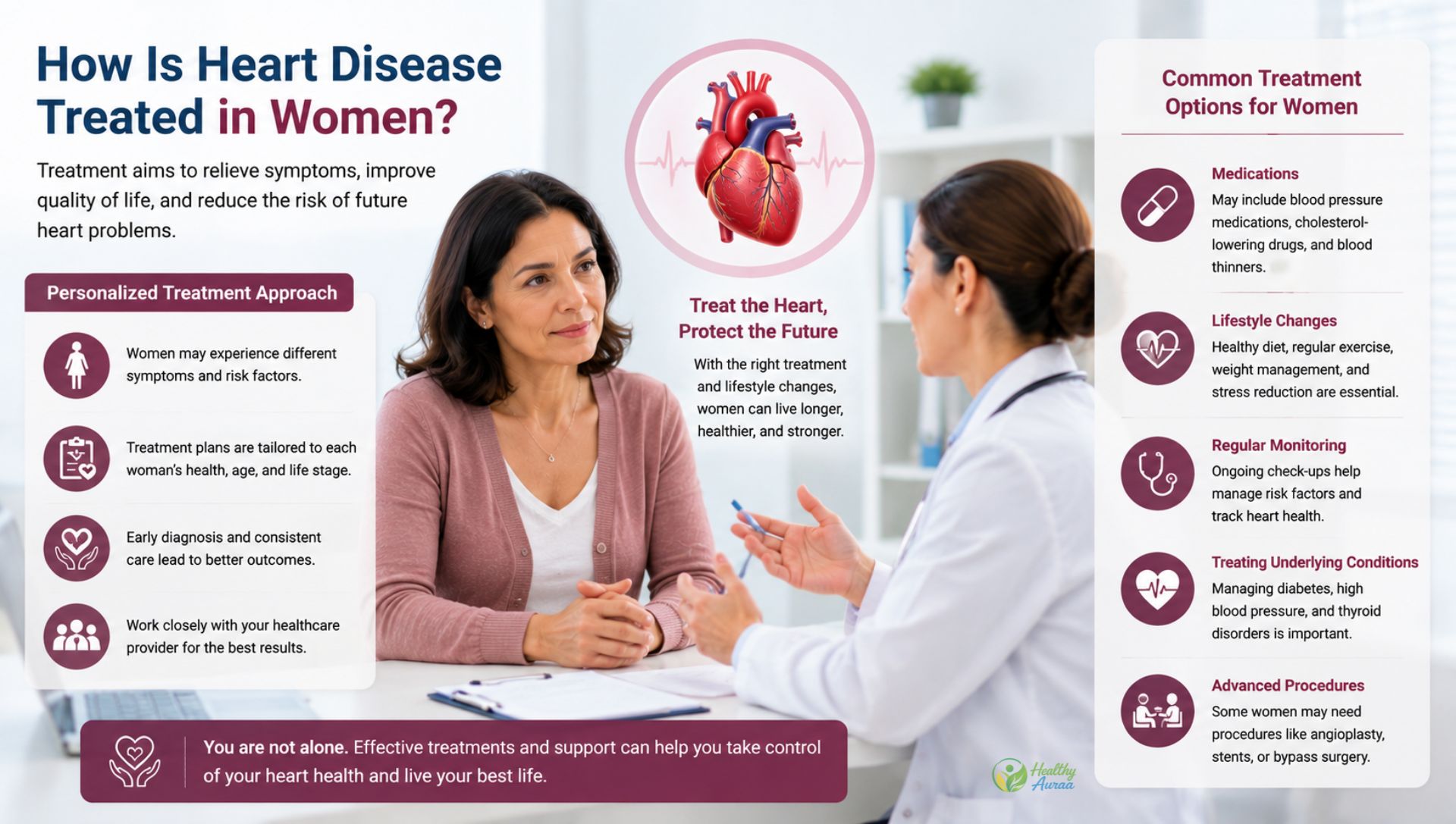
Modern advances in cardiovascular medicine continue improving outcomes for women diagnosed with heart disease. The approach to Heart disease treatment in women depends upon several important factors, including age, symptom severity, underlying medical conditions, and the type of cardiovascular disease present. Healthcare professionals increasingly recognize that women may experience cardiovascular disease differently than men. Consequently, individualized treatment plans remain essential for achieving the best possible outcomes.
Early diagnosis plays a critical role in successful treatment. Comprehensive evaluations frequently include laboratory testing, cardiovascular imaging, and specialized diagnostic procedures designed to identify underlying causes of symptoms. The growing understanding of Heart disease diagnosis and treatment in women has significantly improved medical care over recent decades. Healthcare providers now place greater emphasis on identifying subtle symptoms that previously went unrecognized among women experiencing cardiovascular disease.
Treatment strategies often begin with lifestyle modifications and medications designed to improve cardiovascular function. Many women benefit from carefully prescribed Statin medications that help manage cholesterol levels and reduce cardiovascular risks. Likewise, medications that support blood pressure management and blood sugar control frequently become important components of long-term treatment plans. Personalized healthcare remains particularly valuable because cardiovascular conditions vary considerably among individuals.
More advanced cardiovascular disease occasionally requires specialized medical procedures. Modern interventions such as Angioplasty and stenting allow healthcare professionals to improve blood flow by opening narrowed arteries. In more complex situations, Coronary artery bypass surgery may become necessary to restore adequate circulation to the heart muscle. These procedures continue saving countless lives each year while substantially improving long-term cardiovascular outcomes among women.
Following treatment, many women experience meaningful improvements through participation in Cardiac rehabilitation programs. Research continues highlighting the remarkable Cardiac rehabilitation benefits for women, including improved physical endurance, emotional well-being, and cardiovascular recovery. Structured rehabilitation programs frequently combine supervised exercise, nutritional guidance, and education designed to support successful long-term recovery.
| Treatment Options | Primary Purpose |
| Lifestyle modifications | Improve overall cardiovascular health |
| Statin medications | Lower cholesterol-related risks |
| Angioplasty and stenting | Improve blood flow |
| Coronary artery bypass surgery | Restore circulation |
| Cardiac rehabilitation | Support long-term recovery |
| Personalized medical care | Improve treatment outcomes |
Effective treatment involves far more than addressing symptoms alone. Comprehensive cardiovascular care continues supporting both immediate recovery and lifelong heart health.
Taking Aspirin to Prevent Heart Disease in Women
For many years, aspirin received widespread attention for its potential cardiovascular benefits. Today, healthcare professionals recognize that preventive aspirin therapy requires individualized medical decision-making rather than universal recommendations. Although Aspirin for heart disease prevention remains appropriate for selected individuals, it is not suitable for every woman. Decisions regarding aspirin use should always consider both potential benefits and possible risks.
Current medical guidelines emphasize personalized care when evaluating preventive therapies. In some circumstances, Low-dose aspirin therapy may reduce the likelihood of future cardiovascular complications among individuals with elevated risks. However, aspirin also increases the possibility of serious bleeding events. Consequently, healthcare providers carefully evaluate age, medical history, medications, and individual cardiovascular profiles before recommending preventive aspirin therapy.
Women should never begin daily aspirin use without professional medical guidance. What benefits one individual may present unnecessary risks for another. Preventive healthcare continues evolving alongside emerging medical evidence, reinforcing the importance of individualized treatment recommendations rather than one-size-fits-all approaches.
Preventive strategies extend well beyond medication alone. Maintaining healthy lifestyle habits frequently provides substantial cardiovascular benefits that complement medical interventions when appropriate. Balanced nutrition, regular physical activity, emotional wellness, and routine preventive healthcare collectively support healthier cardiovascular outcomes throughout life.
The following table summarizes important considerations regarding preventive aspirin use.
| Consideration | Why It Matters |
| Individual cardiovascular risk | Determines potential benefit |
| Bleeding risk | Influences treatment decisions |
| Medical history | Guides personalized recommendations |
| Current medications | Helps identify possible interactions |
| Professional medical advice | Supports safe decision-making |
Preventive therapies remain most effective when carefully tailored to individual health needs and supported by ongoing medical evaluations.
Why Awareness About Heart Disease Symptoms in Women Matters
‘Awareness’ is one of the most effective tools available for protecting heart health. Despite tremendous advancements in the treatment of heart disease and the medical field, many women delay medical check-ups because they fail to recognize the warning signs associated with heart disease. Greater awareness paves the way for early diagnosis, more effective treatment, and significantly better long-term outcomes. Understanding your body’s signals can save your life.
The Symptoms of heart disease in women frequently appear differently than expected. Subtle changes involving fatigue, breathing difficulties, digestive symptoms, or mild discomfort occasionally precede serious cardiovascular events. The growing medical understanding of Women’s heart disease continues demonstrating why education remains essential for both patients and healthcare professionals alike. Recognizing these differences supports timely interventions that substantially improve cardiovascular outcomes.
Prompt medical care remains particularly important during emergencies. Symptoms suggesting cardiovascular complications require immediate evaluation because delayed treatment increases risks associated with permanent heart damage. Accessing appropriate Emergency medical treatment during suspected cardiac events significantly improves survival rates and treatment success. Time remains one of the most important factors influencing cardiovascular outcomes.
Recovery extends far beyond hospital discharge. Comprehensive approaches to Heart attack recovery frequently include ongoing medical evaluations, nutritional guidance, supervised exercise programs, and emotional support. Long-term cardiovascular wellness develops through consistent preventive healthcare practices supported by informed medical decision-making. Every healthy choice contributes meaningfully toward protecting lifelong heart health.
Awareness also empowers future prevention efforts. Women who understand cardiovascular risks are often better prepared to recognize subtle warning signs and pursue timely medical care when necessary. Regular screenings, healthy lifestyle practices, and individualized healthcare strategies collectively strengthen both short-term and long-term cardiovascular outcomes. Protecting your heart begins with paying attention to even the smallest changes your body communicates.
Important Medical Reminder: Never ignore sudden chest discomfort, severe shortness of breath, unexplained dizziness, or unusual fatigue. Early medical intervention frequently provides the greatest opportunity for successful treatment and recovery.
Trusted Medical Resources
The medical information presented throughout this article aligns with evidence-based guidance provided by the following trusted healthcare organizations:
| Organization | Website |
| Centers for Disease Control and Prevention (CDC) | https://www.cdc.gov/heartdisease/ |
| National Institutes of Health (NIH) | https://www.nih.gov/ |
| Mayo Clinic | https://www.mayoclinic.org/ |
| Harvard Health Publishing | https://www.health.harvard.edu/ |
| Cleveland Clinic | https://my.clevelandclinic.org/ |
| Johns Hopkins Medicine | https://www.hopkinsmedicine.org/ |
Final Thoughts
Understanding the Symptoms of heart disease in women empowers you to make informed decisions regarding prevention, diagnosis, and treatment. Safeguarding heart health requires a consistent focus on lifestyle choices, preventive medical care, and the early recognition of symptoms. Every woman deserves access to accurate medical information that supports lifelong well-being. Small changes made today often prove to be effective investments in future health.