Heart Attack Symptoms in Women: The Warning Signs Every Woman Should Know
A heart attack does not always look the way many people expect. Movies often show someone clutching their chest before collapsing. In real life, many women experience much quieter symptoms that are easy to mistake for stress, indigestion, the flu, or simple exhaustion. Because these warning signs can be subtle, thousands of women delay getting emergency care each year. That delay can increase damage to the heart muscle and raise the risk of serious complications.
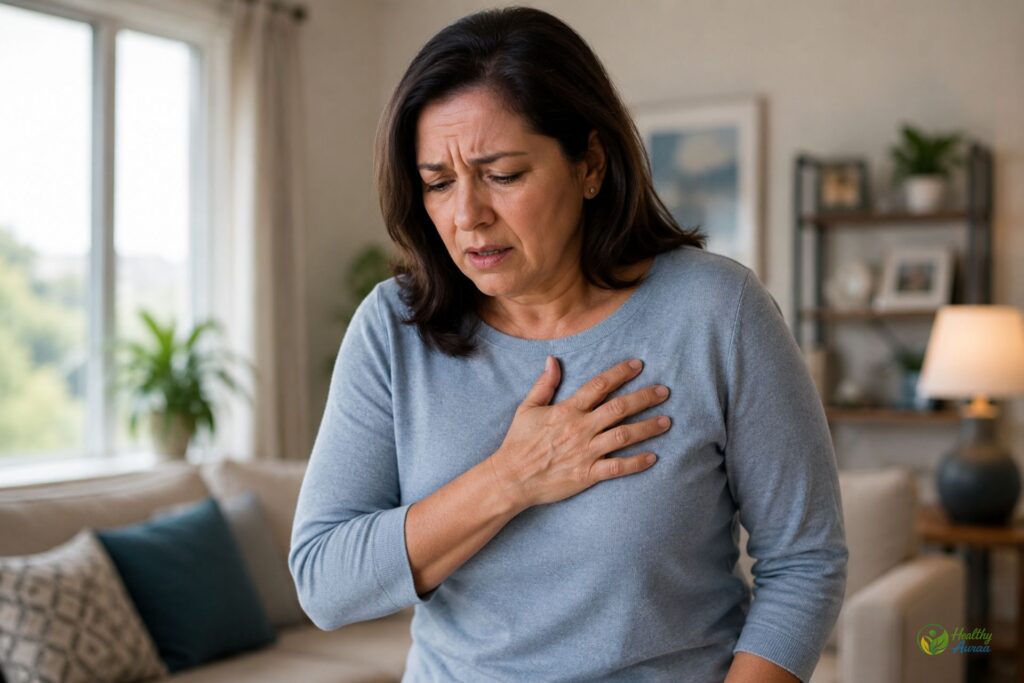
Your heart works around the clock to keep oxygen-rich blood moving throughout your body. When the blood flow to part of the heart suddenly becomes blocked, the affected heart muscle begins to lose oxygen. Without quick treatment, permanent damage can occur within minutes. Recognizing the earliest warning signs can make the difference between a full recovery and life-threatening complications.
Although heart disease is often viewed as a men’s health issue, it remains the leading cause of death among women in the United States. Women of every age should understand how symptoms can appear differently. Learning these differences helps you act quickly if something feels wrong instead of waiting for symptoms to become severe.
This guide explains everything you need to know about heart attack symptoms in women, including early warning signs, silent heart attacks, common causes, and how doctors diagnose and treat this medical emergency. The information is based on recommendations from trusted organizations, including the CDC, NIH, Mayo Clinic, Cleveland Clinic, Harvard Health, and Johns Hopkins.
What Is a Heart Attack?
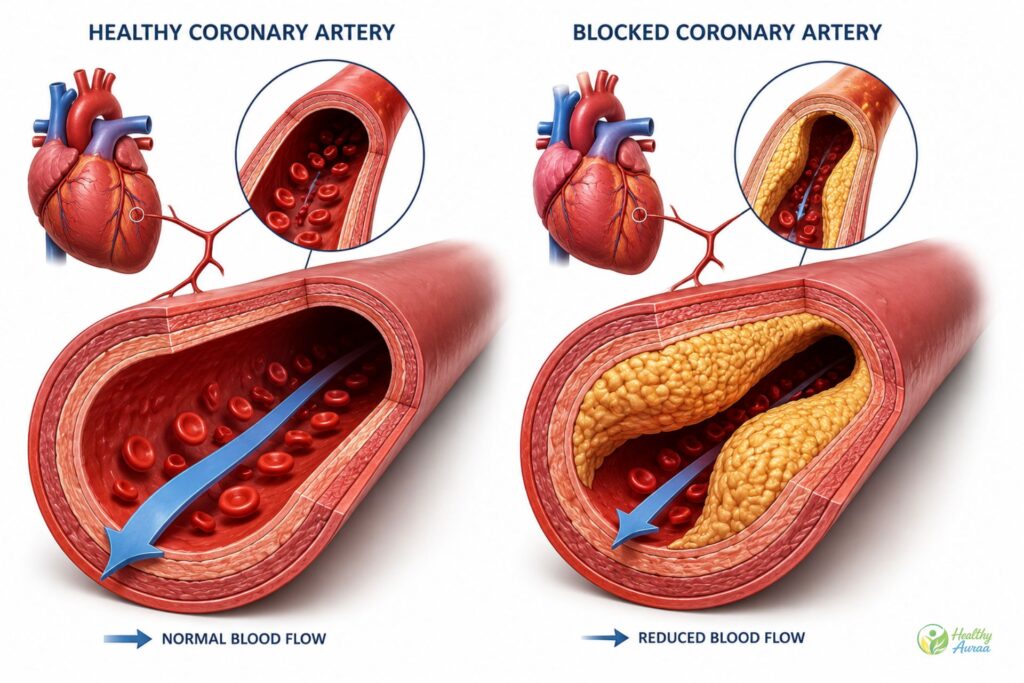
A heart attack, also called a myocardial infarction, happens when the supply of oxygen-rich blood to the heart suddenly stops or becomes severely reduced. Most heart attacks occur because fatty deposits gradually build up inside the artery walls, narrowing the blood vessels over many years. This condition is known as coronary artery disease, which remains the most common cause of heart attacks in the United States.
As plaque grows inside the arteries, the pathway carrying blood becomes smaller. Sometimes the plaque suddenly breaks open. A blood clot then forms around the damaged area and blocks the artery almost completely. Once this blockage interrupts normal blood circulation, the heart muscle begins to suffer from oxygen loss. Without immediate treatment, those heart cells start dying.
Your heart cannot store oxygen for long periods. That is why every minute matters during a heart attack. Fast medical treatment can restore blood flow, reduce damage, and improve survival. Delaying care increases the chances of developing heart failure, dangerous heart rhythm problems, or even sudden cardiac arrest.
Many people believe heart attacks happen only to older adults. In reality, younger women can also experience one, especially if they have diabetes, autoimmune diseases, obesity, high cholesterol, smoking habits, or a strong family history of cardiovascular disease. Pregnancy-related complications may also increase future heart risks for some women.
The table below explains how a healthy artery changes during a heart attack.
| Healthy Heart Artery | During a Heart Attack |
| Smooth and open artery | Plaque narrows the artery |
| Normal blood flow | Blood clot blocks circulation |
| Heart receives enough oxygen | Heart muscle loses oxygen |
| Normal pumping function | Heart muscle begins to die if untreated |
Although many people associate heart attacks with severe chest pain, symptoms often develop differently in women. Understanding these differences can help you recognize a medical emergency before permanent heart damage occurs.
Heart Attack Symptoms in Women
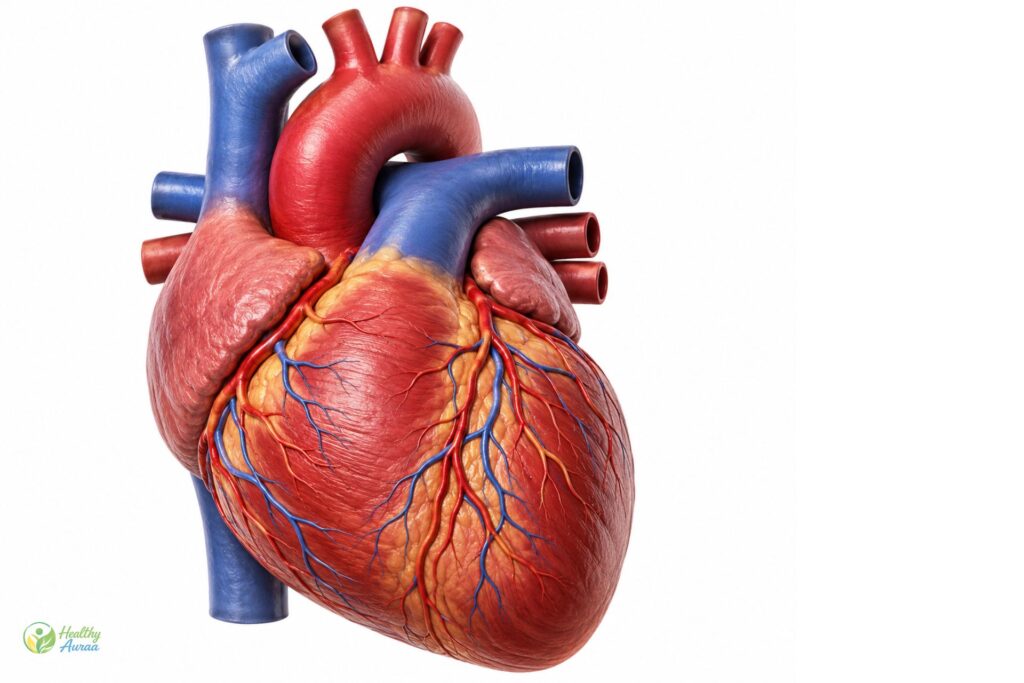
Many women expect intense chest pain to be the first sign of a heart attack. While chest discomfort is still the most common symptom, it is often milder than expected. Some women describe it as pressure, tightness, squeezing, burning, or fullness rather than sharp pain. Others experience discomfort that comes and goes instead of remaining constant.
Symptoms may begin gradually over several hours or even several days. You may notice unusual tiredness after routine activities, difficulty catching your breath while walking upstairs, or discomfort spreading into your neck, shoulders, jaw, upper back, or one or both arms. Because these symptoms resemble common illnesses, they are frequently ignored until they become severe.
Digestive symptoms also occur more often in women than in men. Nausea, vomiting, indigestion, heartburn, bloating, or stomach discomfort sometimes appear before chest pain develops. These symptoms can make a heart attack seem like food poisoning or acid reflux. Unfortunately, this confusion often delays emergency treatment.
Another warning sign is sudden shortness of breath. You might feel unable to take a full breath while resting or during light activity. Some women also report breaking into a cold sweat without obvious physical exertion. Others feel dizzy, lightheaded, anxious, or unusually weak even after adequate rest.
The symptoms listed below commonly appear during a heart attack in women.
| Common Symptoms | Less Common Symptoms |
| Chest pressure or tightness | Jaw pain |
| Shortness of breath | Upper back pain |
| Pain in one or both arms | Neck discomfort |
| Unusual fatigue | Nausea or vomiting |
| Cold sweating | Indigestion |
| Dizziness | Sudden weakness |
Not every woman experiences every symptom. Some have only one or two warning signs. Even mild symptoms deserve immediate medical attention when they appear suddenly or feel unusual.
Early Warning Signs of a Heart Attack in Women
Many women notice subtle changes days or even weeks before a heart attack occurs. These early warning signs are often overlooked because they develop slowly rather than appearing all at once. Paying attention to changes in your body can help you seek medical care before the condition becomes life-threatening.
One of the earliest signs is overwhelming fatigue. This is not ordinary tiredness after a busy day. Instead, you may feel exhausted after simple activities such as shopping, climbing stairs, or making dinner. Some women describe feeling completely drained despite getting enough sleep.
Sleep disturbances are another frequently reported warning sign. Women sometimes develop unexplained insomnia, restless sleep, or frequent nighttime waking in the weeks before a heart attack. Although sleep problems have many possible causes, they deserve attention when combined with other unusual symptoms.
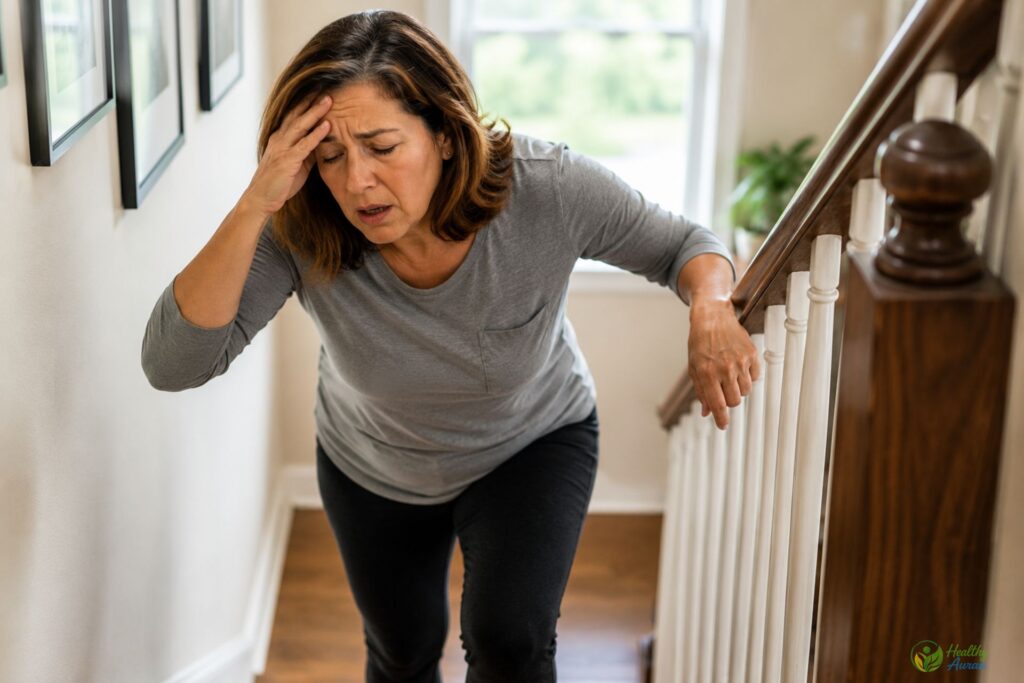
Persistent shortness of breath may also appear before chest discomfort develops. You could notice breathing becomes difficult during activities that previously felt easy. Some women experience chest pressure only after becoming breathless, while others never develop significant chest pain at all.
Other early symptoms include discomfort between the shoulder blades, pain that spreads into the jaw, unexplained anxiety, dizziness, or a feeling that something simply is not right. Many heart attack survivors later describe having a strong sense that something serious was happening even before the classic symptoms appeared.
Early recognition allows doctors to restore circulation more quickly, reduce heart muscle damage, and improve recovery. Trust your instincts if your symptoms feel unusual or significantly different from your normal health.
Silent Heart Attack Symptoms in Women
Not every heart attack causes dramatic pain. Some occur with very mild symptoms or no noticeable symptoms at all. These events are known as silent heart attacks. Although they may seem less dangerous, silent heart attacks still damage the heart muscle and increase the risk of future cardiovascular problems.
Women are more likely than men to experience symptoms that do not immediately suggest a heart attack. Instead of severe chest pain, you may feel unusual fatigue, mild pressure in the chest, slight shortness of breath, indigestion, or discomfort in your upper back. Because these symptoms are easy to dismiss, many silent heart attacks remain undiagnosed until weeks or months later.
People living with diabetes face an even greater risk of silent heart attacks. High blood sugar can damage nerves over time, reducing the body’s ability to recognize pain signals. As a result, a heart attack may produce little or no chest discomfort despite causing significant heart injury.
Doctors sometimes discover evidence of a previous silent heart attack during an electrocardiogram, echocardiogram, cardiac MRI, or blood tests performed for another reason. Even if symptoms seemed minor, the damage may still require medication, lifestyle changes, and ongoing heart care.
Never ignore unexplained fatigue, sudden breathlessness, unusual sweating, or persistent discomfort in the upper body. Seeking prompt medical evaluation may prevent a larger heart attack in the future.
How Women’s Heart Attack Symptoms Differ From Men’s
Although men and women share many heart attack symptoms, important differences exist. Men more often experience the classic pattern of crushing chest pain that spreads down the left arm. Women are more likely to develop a wider combination of symptoms that may appear unrelated to the heart.
Women frequently report overwhelming fatigue, nausea, vomiting, upper back pain, jaw pain, neck discomfort, dizziness, and shortness of breath. Chest pain may still occur, yet it is often less severe or described as pressure instead of intense pain. These differences contribute to delayed diagnosis because many women do not realize they are having a heart attack.
Hormonal changes may also influence how heart disease develops. Before menopause, estrogen offers some protection against plaque buildup inside the arteries. After menopause, this protection decreases, increasing the risk of cardiovascular disease. However, younger women are not immune. Conditions such as diabetes, autoimmune disorders, pregnancy complications, and certain inflammatory diseases can significantly raise heart attack risk before menopause.
Research also shows women are more likely to have disease affecting the smaller coronary blood vessels rather than large arteries alone. This condition, called coronary microvascular disease, may produce symptoms even when larger arteries appear less blocked on standard imaging tests.
Understanding these differences empowers you to recognize symptoms earlier and seek emergency care without hesitation. If you develop sudden chest discomfort, unexplained shortness of breath, severe fatigue, or pain spreading to your jaw, neck, or back, call 911 immediately instead of waiting to see if the symptoms improve.
Common vs Uncommon Symptoms
Every woman’s experience with a heart attack is different. Some develop the classic symptoms that most people recognize, while others notice only mild changes that seem unrelated to the heart. This difference is one of the biggest reasons heart attacks in women are sometimes diagnosed later than they should be. Understanding both common and uncommon symptoms can help you recognize a medical emergency sooner.
The most common symptom remains chest discomfort. However, many women describe it as pressure, heaviness, squeezing, fullness, or burning rather than severe pain. The discomfort may last for several minutes, disappear, and then return. Some women also feel pain spreading into the left arm, both arms, the shoulders, the upper back, the neck, or the jaw. Shortness of breath often appears with or without chest pain, making simple activities suddenly difficult.
Less common symptoms are just as important because they are easier to dismiss. You might experience unusual fatigue that lasts for several days, dizziness, nausea, vomiting, indigestion, heartburn, cold sweating, or an overwhelming feeling that something is wrong. Some women even mistake these symptoms for anxiety, the flu, or a stomach illness. Although they seem minor, they may signal a serious problem with your heart.
Women with diabetes, chronic kidney disease, or older adults may have fewer noticeable symptoms because nerve damage can reduce pain sensation. Instead of severe chest pain, they may only feel weak, unusually tired, or mildly short of breath. Because of this, healthcare professionals encourage women to seek immediate medical care whenever symptoms appear suddenly and feel different from their normal health.
The table below compares common and uncommon heart attack symptoms in women.
| Common Symptoms | Uncommon Symptoms |
| Chest pressure or tightness | Indigestion or heartburn |
| Shortness of breath | Pain between the shoulder blades |
| Pain in the arms | Jaw pain |
| Chest discomfort | Extreme fatigue |
| Cold sweat | Vomiting |
| Dizziness | Anxiety or unexplained fear |
Recognizing both types of symptoms improves the chances of receiving life-saving treatment before permanent damage occurs.
What Causes Heart Attacks in Women?
A heart attack happens when the heart muscle no longer receives enough oxygen-rich blood. In most cases, this occurs because plaque made of cholesterol, fat, calcium, and inflammatory cells slowly builds inside the artery walls. Over time, the arteries become narrower, reducing blood flow to the heart. When one of these plaques ruptures, a blood clot can suddenly block the artery and stop circulation.
Coronary artery disease remains the leading cause of heart attacks in women. Years of plaque buildup often begin without noticeable symptoms. This silent process may continue for decades before a blockage becomes severe enough to cause chest pain or a heart attack. Healthy lifestyle habits can slow this process, but certain medical conditions can accelerate it.
Women may also develop heart attacks for reasons beyond blocked large arteries. Coronary microvascular disease affects the tiny blood vessels that supply the heart. These small vessels may not widen properly during physical activity or emotional stress, reducing blood flow even when larger arteries appear normal. This condition is more common in women than in men.
Another less common cause is spontaneous coronary artery dissection, often called SCAD. In this condition, a tear develops inside the wall of a coronary artery. Blood becomes trapped within the artery wall, narrowing the passage and limiting blood flow. SCAD is one of the leading causes of heart attacks in younger women who have few traditional risk factors. It may occur during pregnancy, shortly after childbirth, or without an obvious trigger.
Severe emotional stress can also trigger a condition known as stress-induced cardiomyopathy or Takotsubo cardiomyopathy. Although it resembles a heart attack, it temporarily weakens the heart muscle rather than permanently blocking an artery. Quick medical evaluation is still essential because the symptoms are nearly identical.
Understanding the different causes of heart attacks helps explain why women may experience symptoms even when routine heart tests appear less dramatic than expected.
Risk Factors for Heart Attack in Women
Heart attacks rarely happen because of a single cause. Instead, several risk factors gradually increase the chances of developing heart disease over many years. Some of these risks can be controlled through healthy habits, while others cannot be changed. Knowing your personal risk allows you to work with your healthcare provider to protect your heart before problems develop.
High blood pressure is one of the strongest contributors to heart disease. When blood pressure remains elevated for many years, it places extra strain on the arteries and the heart. This constant pressure damages the inner lining of blood vessels, making plaque buildup more likely. Controlling blood pressure through healthy eating, regular exercise, and medication when necessary significantly lowers cardiovascular risk.
High cholesterol is another major concern. Excess LDL cholesterol contributes to plaque formation inside the coronary arteries. As plaque increases, blood flow becomes more restricted, raising the risk of a heart attack or stroke. Regular cholesterol screening helps identify problems before symptoms appear.
Diabetes deserves special attention because it dramatically increases heart attack risk in women. Elevated blood sugar damages blood vessels and nerves over time. Women with diabetes often develop heart disease earlier than women without diabetes and may experience less obvious warning signs during a heart attack.
Smoking remains one of the most preventable causes of heart disease. Chemicals in cigarette smoke damage artery walls, reduce oxygen delivery, increase blood clotting, and accelerate plaque formation. Even occasional smoking or exposure to secondhand smoke raises cardiovascular risk. Quitting smoking begins improving heart health almost immediately.
Obesity, physical inactivity, unhealthy eating habits, chronic stress, poor sleep, and excessive alcohol consumption also contribute to heart disease. Together, these factors increase inflammation, raise blood pressure, worsen cholesterol levels, and make diabetes more likely.
Some risk factors cannot be changed. Age naturally increases cardiovascular risk, especially after menopause. A family history of early heart disease also suggests a genetic predisposition. Women who experienced pregnancy complications such as preeclampsia, gestational diabetes, or pregnancy-related high blood pressure face a higher lifetime risk of developing heart disease.
The following table summarizes the major risk factors.
| Modifiable Risk Factors | Non-Modifiable Risk Factors |
| High blood pressure | Age |
| High cholesterol | Family history |
| Diabetes | Genetics |
| Smoking | Early menopause |
| Obesity | Pregnancy history |
| Physical inactivity | Autoimmune disorders |
| Poor diet | Ethnicity |
| Chronic stress | Previous heart disease |
Even small improvements in daily habits can significantly reduce long-term heart attack risk.
Heart Attack Symptoms by Age
Heart attack symptoms can change throughout a woman’s life. Hormonal changes, underlying medical conditions, and aging all influence how symptoms appear. While younger women often assume they are too young for heart disease, heart attacks can occur at any age. Recognizing age-related differences helps ensure symptoms are not ignored.
Symptoms in Women Under 40
Heart attacks are less common before age forty, but they do happen. Younger women are more likely to dismiss symptoms because they do not consider themselves at risk. Chest discomfort may be mild, and symptoms such as fatigue, nausea, dizziness, or shortness of breath are often blamed on stress or busy lifestyles.
Certain conditions increase risk in younger women. Smoking, diabetes, obesity, autoimmune diseases such as lupus or rheumatoid arthritis, inherited cholesterol disorders, and spontaneous coronary artery dissection are among the most important. Pregnancy-related complications can also increase future cardiovascular risk.
Because heart attacks are unexpected in younger adults, diagnosis may take longer. Seeking emergency care whenever symptoms appear suddenly is essential regardless of age.
Symptoms in Women Over 50
After age fifty, the likelihood of heart disease rises significantly. Many women notice symptoms that develop gradually rather than appearing suddenly. Chest pressure remains common, but fatigue, shortness of breath, upper back pain, and reduced exercise tolerance become increasingly frequent.
Many women in this age group also have additional medical conditions such as diabetes, high blood pressure, or high cholesterol. These conditions may change how symptoms feel and increase the risk of silent heart attacks. Regular medical checkups become increasingly important for detecting heart disease before serious complications occur.
Women over fifty should never ignore persistent fatigue or breathlessness, especially when symptoms interfere with normal daily activities.
Symptoms After Menopause
Menopause marks an important turning point in cardiovascular health. As estrogen levels decline, the protective effects this hormone provides against plaque buildup begin to decrease. Blood pressure often rises, cholesterol levels may worsen, and body fat distribution changes, increasing cardiovascular risk.
Heart attack symptoms after menopause often include chest pressure, pain in the upper body, unusual fatigue, shortness of breath, nausea, dizziness, and sweating. However, symptoms may still be subtle compared with those experienced by many men.
Regular exercise, a heart-healthy eating pattern, maintaining a healthy weight, avoiding tobacco, controlling blood pressure, and managing cholesterol become even more important after menopause. Routine discussions with your healthcare provider can help identify risks early and guide appropriate preventive care.
Symptoms That Require Emergency Medical Attention
Some heart attack symptoms should never be ignored because they may signal a life-threatening emergency. Even if the symptoms seem mild, getting immediate medical care can save your life and reduce permanent damage to the heart. Waiting to see if the symptoms improve is one of the biggest mistakes people make.
Call 911 immediately if you experience chest pain, pressure, tightness, or a squeezing sensation that lasts longer than a few minutes or goes away and comes back. Chest discomfort combined with shortness of breath, pain spreading to the jaw, neck, shoulders, back, or arms should always be treated as a medical emergency. Women often delay seeking care because they think the symptoms are caused by stress, indigestion, or muscle pain. That delay can significantly reduce the effectiveness of treatment.
Severe dizziness, fainting, sudden cold sweating, nausea, vomiting, or extreme weakness can also be warning signs of a heart attack. Some women report feeling an overwhelming sense of anxiety or a feeling that something is terribly wrong before other symptoms become obvious. Trust your instincts. If your symptoms are unusual and severe, it is safer to seek emergency care than to wait at home.
Never drive yourself to the hospital if you believe you are having a heart attack. Emergency medical teams can begin treatment while transporting you and can respond immediately if your condition worsens during the trip. Fast treatment restores blood flow sooner and greatly improves the chance of survival.
What to Do if You Think You’re Having a Heart Attack
The first step is to stop whatever you are doing and sit or lie down in a comfortable position. Avoid physical activity because it increases the heart’s need for oxygen. Stay as calm as possible while waiting for emergency medical services to arrive.
Call 911 immediately. Do not wait for symptoms to become unbearable. Many women hesitate because they are unsure whether they are truly having a heart attack. Healthcare professionals would rather evaluate symptoms that turn out to be harmless than treat a heart attack after valuable time has been lost.
If your doctor has previously advised you to take aspirin during a suspected heart attack and you are not allergic or have another medical reason to avoid it, chew one regular-strength or four low-dose aspirin tablets while waiting for emergency responders. Aspirin helps reduce blood clot formation, but it should only be taken if recommended by a healthcare professional for your situation.
Unlock your front door if possible and keep your phone nearby. If family members or neighbors are present, let them know what is happening so they can assist until emergency medical personnel arrive. Do not attempt to drive yourself unless absolutely no other option exists.
Quick action can prevent extensive heart muscle damage. Every minute counts because the longer the heart remains without enough oxygen, the greater the chance of permanent injury.
How Doctors Diagnose a Heart Attack
Diagnosing a heart attack begins with a detailed discussion of your symptoms and medical history. Your doctor will ask when the symptoms started, how long they have lasted, and whether they spread to other parts of your body. They will also review risk factors such as diabetes, high blood pressure, smoking, high cholesterol, and family history.
One of the first tests performed is an electrocardiogram, commonly called an ECG or EKG. This painless test records the electrical activity of your heart and can quickly identify changes that suggest a heart attack or another heart problem. Although an ECG provides valuable information, a normal result does not completely rule out a heart attack, especially during the early stages.
Blood tests play a critical role in diagnosis. When heart muscle cells become damaged, they release proteins called cardiac troponins into the bloodstream. Elevated troponin levels strongly suggest heart muscle injury. Doctors often repeat these blood tests several times over a few hours to confirm the diagnosis.
Additional imaging tests may also be needed. An echocardiogram uses ultrasound to show how well the heart is pumping and whether any areas have been damaged. Coronary angiography allows doctors to inject dye into the coronary arteries to identify blockages. In some cases, CT scans or cardiac MRI provide additional information about the heart and surrounding blood vessels.
Doctors combine all of these findings to determine the cause of your symptoms and choose the most effective treatment as quickly as possible.
Treatment Options
Heart attack treatment focuses on restoring blood flow to the heart as quickly as possible. The faster treatment begins, the more heart muscle can be saved. Modern medical advances have dramatically improved survival rates, especially when patients receive emergency care without delay.
Medications are often the first step. Blood-thinning medicines help prevent existing clots from growing larger while reducing the risk of new clots. Other medications may lower blood pressure, reduce the heart’s workload, improve blood flow, or stabilize abnormal heart rhythms. Long-term treatment frequently includes cholesterol-lowering drugs, aspirin, and medications that protect the heart from future damage.
Many patients require a procedure called coronary angioplasty. During this treatment, a cardiologist inserts a thin tube into a blood vessel and guides it to the blocked coronary artery. A small balloon expands the narrowed artery, and a tiny metal mesh tube called a stent is usually placed to keep the artery open. This procedure quickly restores blood flow and reduces additional heart muscle injury.
Some people have blockages that cannot be treated with a stent alone. In these situations, coronary artery bypass graft surgery may be recommended. Surgeons create a new pathway around the blocked artery using healthy blood vessels taken from another part of the body. This allows blood to reach the heart muscle more effectively.
Treatment continues long after leaving the hospital. Cardiac rehabilitation programs combine supervised exercise, nutrition counseling, medication management, and emotional support to help patients recover safely and lower the risk of another heart attack.
Recovery After a Heart Attack
Recovery is different for every woman. Some people return to their normal activities within a few weeks, while others need several months to regain their strength. The extent of heart muscle damage, overall health, age, and the speed of treatment all influence recovery time.
Fatigue is one of the most common symptoms during recovery. Your body needs time to heal after the heart muscle has been injured. It is normal to feel tired more easily than before. Gradually increasing physical activity under medical supervision helps rebuild strength without placing unnecessary stress on the heart.
Emotional recovery is just as important as physical healing. Many women experience anxiety, depression, fear, or uncertainty after a heart attack. These feelings are common and should not be ignored. Talking openly with family members, joining a cardiac rehabilitation program, or speaking with a mental health professional can make recovery easier.
Follow-up appointments allow your healthcare provider to monitor your progress, adjust medications, and address new concerns. Taking medications exactly as prescribed, attending rehabilitation sessions, and following lifestyle recommendations significantly reduce the risk of another heart attack.
Many women recover fully and continue to live active, healthy lives. Recovery requires patience, commitment, and consistent medical care, but positive changes made after a heart attack often improve overall health for many years to come.
Can Heart Attacks in Women Be Prevented?
Although not every heart attack can be prevented, many can be avoided by reducing the factors that damage the heart and blood vessels over time. Prevention begins long before symptoms appear. Small daily choices often have a greater impact than many people realize. Healthy habits protect your heart, improve circulation, and lower the risk of developing coronary artery disease.
Managing blood pressure is one of the most effective ways to protect your heart. High blood pressure often develops without noticeable symptoms, yet it gradually damages artery walls and forces the heart to work harder. Regular blood pressure checks help identify problems early so treatment can begin before serious complications develop. If your healthcare provider recommends medication, taking it consistently is just as important as making healthy lifestyle changes.
Cholesterol management is another key part of prevention. High levels of LDL cholesterol contribute to plaque buildup inside the coronary arteries, while healthy HDL cholesterol helps remove excess cholesterol from the bloodstream. Regular cholesterol screening allows your healthcare provider to recommend dietary changes, exercise, or medication when necessary.
Diabetes also deserves close attention because elevated blood sugar damages blood vessels and nerves throughout the body. Women with diabetes have a much higher risk of heart attack than women without diabetes. Keeping blood sugar under control through healthy eating, regular physical activity, medication, and routine medical care greatly reduces long-term cardiovascular risk.
Regular health screenings become increasingly important as you age. Blood pressure, cholesterol, blood sugar, body weight, and family history all provide valuable information about your heart health. Even if you feel healthy, routine preventive care helps detect silent risk factors before they lead to a medical emergency.
Prevention is not about becoming perfect overnight. It is about making consistent choices that protect your heart every day. Over time, those choices can dramatically lower your risk of heart disease and improve your overall quality of life.
Lifestyle Changes to Lower Your Risk
Healthy lifestyle habits remain the foundation of long-term heart health. They not only reduce the risk of a first heart attack but also help prevent future cardiac events in women who have already experienced one. Even modest improvements can produce meaningful health benefits.
A heart-healthy diet should emphasize vegetables, fruits, whole grains, beans, nuts, lean protein, and healthy fats. Foods rich in saturated fat, trans fat, added sugar, and excessive sodium should be limited because they contribute to high blood pressure, high cholesterol, and weight gain. Many cardiologists recommend eating more fish rich in omega-3 fatty acids while choosing healthy cooking methods such as baking, grilling, or steaming instead of deep frying.
Regular physical activity strengthens the heart muscle and improves circulation. The American Heart Association recommends at least 150 minutes of moderate exercise each week for most adults. Walking, swimming, cycling, dancing, and other enjoyable activities all contribute to better cardiovascular health. If you have existing heart disease, ask your healthcare provider which exercises are safest for you.
Maintaining a healthy body weight reduces strain on the heart and lowers the risk of diabetes, high blood pressure, and high cholesterol. Weight loss does not have to be dramatic to improve heart health. Even losing a small percentage of excess body weight can produce measurable improvements in blood pressure and blood sugar.
Smoking cessation is one of the most powerful lifestyle changes you can make. Tobacco damages blood vessels almost immediately and greatly increases the risk of heart attack and stroke. Quitting smoking begins improving circulation within days, while long-term cardiovascular risk continues to decline over time. Avoiding secondhand smoke also protects your heart.
Stress management is another important part of prevention. Chronic stress can contribute to unhealthy eating, poor sleep, physical inactivity, and elevated blood pressure. Relaxation techniques such as deep breathing, meditation, yoga, spending time outdoors, and maintaining supportive relationships can improve both emotional well-being and heart health.
Quality sleep should not be overlooked. Adults generally need seven to nine hours of sleep each night. Poor sleep has been linked to obesity, diabetes, high blood pressure, and heart disease. Treating sleep disorders such as sleep apnea may further reduce cardiovascular risk.
Healthy living does not require perfection. Consistent improvements made over months and years provide lasting protection for your heart.
When to See a Doctor
Many women wait too long before discussing heart-related symptoms because they assume they are caused by aging, stress, or digestive problems. However, early medical evaluation often identifies heart disease before a heart attack occurs. Never ignore symptoms that are new, persistent, or becoming more frequent.
Schedule an appointment with your healthcare provider if you notice recurring chest discomfort, shortness of breath during routine activities, unusual fatigue, dizziness, heart palpitations, or pain in your jaw, neck, shoulders, or upper back without an obvious cause. These symptoms may not always indicate a heart attack, but they deserve careful evaluation.
You should also see your doctor if you have several heart disease risk factors, even when you feel well. High blood pressure, high cholesterol, diabetes, obesity, smoking, autoimmune disease, pregnancy-related complications, and a family history of early heart disease all increase your long-term cardiovascular risk. Regular checkups allow these conditions to be treated before serious complications develop.
Women who have already experienced a heart attack should attend every follow-up appointment. Ongoing monitoring helps your healthcare provider evaluate recovery, adjust medications, and reduce the risk of another cardiac event. Cardiac rehabilitation programs also provide valuable education, supervised exercise, and emotional support during recovery.
If symptoms suddenly become severe or you believe you may be having a heart attack, do not schedule a routine office visit. Call 911 immediately and seek emergency medical care.
Frequently Asked Questions (FAQs)
Can women have a heart attack without chest pain?
Yes. Many women experience little or no chest pain during a heart attack. Symptoms such as unusual fatigue, nausea, shortness of breath, jaw pain, upper back pain, dizziness, or cold sweating may be the only warning signs.
What is usually the first sign of a heart attack in women?
The first symptom varies from person to person. Chest pressure is common, but many women first notice unusual fatigue, shortness of breath, discomfort in the upper body, or nausea several hours or even days before the heart attack.
How long can heart attack symptoms last before a heart attack occurs?
Some warning signs develop suddenly, while others appear gradually over several days or weeks. Symptoms that come and go should never be ignored because they may indicate reduced blood flow to the heart.
Can younger women have heart attacks?
Yes. Although the risk increases with age, younger women can experience heart attacks, especially if they smoke, have diabetes, high cholesterol, obesity, autoimmune diseases, inherited heart conditions, or pregnancy-related complications.
What should I do if I think I am having a heart attack?
Call 911 immediately. Do not drive yourself to the hospital if emergency medical services are available. Prompt treatment greatly improves survival and reduces permanent heart damage.
Can stress alone cause a heart attack?
Severe emotional stress can trigger heart-related events in some individuals, particularly those with underlying heart disease. Chronic stress also contributes to unhealthy lifestyle habits that increase cardiovascular risk over time.
Key Takeaways
Heart attacks remain one of the leading causes of death among women in the United States, yet many cases can be treated successfully when symptoms are recognized early. Unlike the dramatic chest pain often shown in movies, women frequently experience subtle warning signs such as unusual fatigue, nausea, shortness of breath, jaw pain, back pain, dizziness, or indigestion. These symptoms should never be ignored, especially when they appear suddenly or feel different from your normal health.
Understanding your personal risk factors, including high blood pressure, diabetes, high cholesterol, smoking, obesity, and family history, allows you to take preventive action before serious heart disease develops. Regular medical checkups, healthy eating, physical activity, stress management, and avoiding tobacco all play important roles in protecting your heart.
Most importantly, trust your instincts. If something feels seriously wrong, seek emergency medical care immediately. Acting quickly can save heart muscle, improve recovery, and may even save your life.
References
Centers for Disease Control and Prevention (CDC). Heart Disease. https://www.cdc.gov/heart-disease/
National Heart, Lung, and Blood Institute (NHLBI), National Institutes of Health (NIH). Heart Attack. https://www.nhlbi.nih.gov/
Mayo Clinic. Heart Attack: Symptoms and Causes. https://www.mayoclinic.org/
Cleveland Clinic. Heart Attack (Myocardial Infarction). https://my.clevelandclinic.org/
Harvard Health Publishing. Heart Disease in Women. https://www.health.harvard.edu/
Johns Hopkins Medicine. Heart Disease in Women. https://www.hopkinsmedicine.org/
American Heart Association. Heart Attack Warning Signs in Women. https://www.heart.org/

Pingback: Symptoms of Heart Disease in Women