Best Tea for High Blood Pressure ; What Tea Should You Drink to Lower Blood Pressure?
High blood pressure affects nearly half of all American adults. Many people remain unaware that they have the condition until elevated blood pressure levels are detected during a routine medical check-up. Over time, uncontrolled high blood pressure can silently damage the body, increasing the risk of heart disease, stroke, kidney problems, and even vision loss. This is why many people seek out the best teas for high blood pressure as part of a healthy lifestyle.
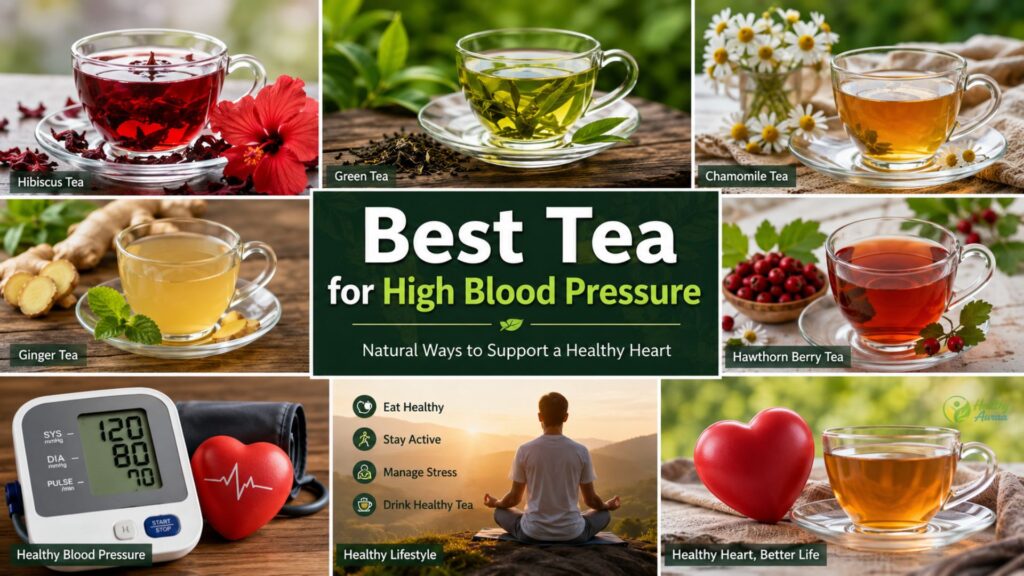
Many people ask about Best Tea for High Blood Pressure, Fortunately, several teas contain plant compounds that may support Cardiovascular health. While no beverage can replace prescribed treatment, adding the right tea in your daily routine can complement a heart-friendly diet. Combined with exercise, better sleep, and reduced sodium intake, tea can become a valuable tool for Natural blood pressure management.
What Is High Blood Pressure (Hypertension)?
Think of your blood vessels as a garden. When water flows through under too much pressure for years, the hose begins to wear out. Same thing happens inside your body. occurs when the force of blood pushing against your artery walls remains consistently high. According to the CDC, a reading of 130/80 mmHg or higher is considered elevated for many adults.
Doctors measure two numbers. The first is Systolic blood pressure, which reflects the pressure when your heart beats. The second is Diastolic blood pressure, which measures pressure between beats. Both numbers matter. When they remain elevated for long periods, your risk of a heart attack or stroke rises significantly.
Some factors contribute to high blood pressure. Age, genetics, obesity, smoking, stress, and poor eating habits all plays a role. In the United States, diets high in processed foods and sodium continue to be major contributors. Fortunately, many times simple changes make a difference. Many people benefit from Lifestyle changes for hypertension, including regular movement and healthier food choices.
Symptoms are often absent. That is why High Blood Preasure is called the “silent killer.” Some people experience headaches, dizziness, or shortness of breath, though these signs usually appear after years of uncontrolled blood pressure. Regular Blood Preasure checkup remains one of the best ways to protect your long-term health.
| Blood Pressure Category | Reading (mmHg) |
| Normal | Less than 120/80 |
| Elevated | 120-129 / Less than 80 |
| Stage 1 Hypertension | 130-139 / 80-89 |
| Stage 2 Hypertension | 140/90 or higher |
| Hypertensive Crisis | Above 180/120 |
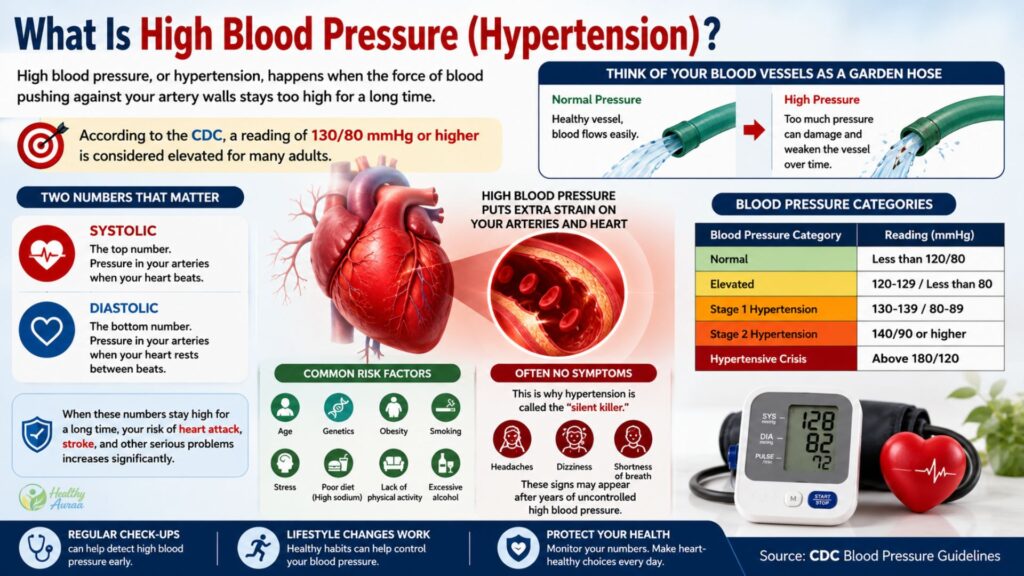
Source: CDC Blood Pressure Guidelines
Can Drinking Tea Help Lower Blood Pressure?
Science suggests the answer may be yes. Researchers have spent decades studying the relationship between tea and heart health. Many varieties contain Antioxidants, Polyphenols, and other plant compounds that may support healthy circulation. Although the effects are usually modest, they become more meaningful when combined with healthy daily habits.
One reason tea attracts attention is its ability to promote Blood vessel relaxation. Healthy blood vessels expand and contract easily. However, inflammation and aging can reduce their flexibility. Certain teas may help improve Arterial function and support healthier blood flow throughout the body. This is one reason tea is frequently included among Herbal remedies for hypertension.
It is important to set realistic expectations. Even the best tea for high blood pressure does not work overnight. Most studies report gradual improvements over several weeks or months. Tea should never replace medication prescribed by your physician. Instead, think of it as one piece of a larger wellness puzzle that includes exercise, sleep, and stress management.
Experts from Harvard Health and the Mayo Clinic continue to emphasize whole-person care. That means focusing on nutrition, movement, and consistency. For many people, drinking a cup of Antioxidant-rich tea each day becomes a simple habit that supports long-term health. Small actions often produce meaningful results over time.
“Lifestyle interventions remain a cornerstone of blood pressure management.” — American Heart Association
Best Tea for High Blood Pressure
If you are searching for the best tea for high blood pressure, several options stand above the rest. Researchers continue to study their effects on circulation, inflammation, and heart health. While individual responses vary, these teas have demonstrated the strongest potential benefits in scientific literature.
The leading choices include hibiscus, green tea, chamomile, olive leaf tea, hawthorn berry tea, and oolong tea. Each contains unique compounds that may help Relax blood vessels naturally and support healthy blood pressure levels. Some are rich in calming properties, while others focus on improving circulation.
Hibiscus Tea for Hypertension
Among all options, hibiscus is often considered the best tea for high blood pressure. Its deep red color comes from Anthocyanins, powerful plant pigments associated with improved vascular health. Studies suggest that Hibiscus tea benefits may include modest reductions in both systolic and diastolic readings when consumed regularly.
Many people also appreciate Hibiscus tea and heart health benefits because it is naturally caffeine-free. However, users should be aware of possible Hibiscus tea side effects, including interactions with certain medications. Drinking two cups daily is commonly used in research settings.
Green Tea for Blood Pressure
Green tea comes from Camellia sinensis and contains Catechins, especially Epigallocatechin gallate (EGCG). Scientists continue to study the relationship between EGCG and hypertension, with several findings suggesting improved circulation and reduced oxidative stress.
The growing body of evidence surrounding Green tea benefits has made it one of the most popular choices in America. Many people enjoy its mild flavor and appreciate its broader wellness profile. In addition to supporting blood pressure, researchers continue exploring Green tea cardiovascular benefits for long-term heart health.
Chamomile Tea for Stress Relief
Stress and blood pressure often travel together. Chamomile tea, prepared from Matricaria chamomilla and Chamaemelum nobile, is widely recognized as a soothing beverage. Many people turn to it as a nightly ritual to unwind after a busy day.
Although chamomile may not lower blood pressure directly, studies suggest that Chamomile tea benefits include improved relaxation and sleep quality. As a result, Chamomile tea for stress relief and Chamomile tea and blood pressure remain closely connected in discussions about holistic heart health.
Oolong Tea for Cardiovascular Health
Oolong tea sits comfortably between green and black tea. It contains a blend of antioxidants and offers a distinct flavor profile. Some studies suggest that regular consumption may contribute to healthier cholesterol levels and improved circulation.
Because of its balanced composition, many experts consider oolong a valuable Heart wellness drink. It may also help Improve circulation naturally, making it a worthwhile addition to a heart-conscious lifestyle.
Olive Leaf Tea Benefits
Olive trees have been prized for centuries. Their leaves contain Oleuropein and Hydroxytyrosol, compounds linked to cardiovascular support. Research continues to explore Olive leaf tea benefits, especially among individuals with elevated blood pressure.
Interest in Olive leaf extract for blood pressure has grown in recent years. While more studies are needed, many people include it among their preferred forms of Alternative medicine for high blood pressure. Typical recommendations vary, so discussing Olive leaf tea dosage with a healthcare provider remains wise.
Hawthorn Berry Tea Benefits
Hawthorn has a long history in traditional medicine. It is often associated with supporting heart function and circulation. Researchers continue to investigate Hawthorn berry tea benefits and their role in maintaining healthy blood pressure.
People interested in herbal wellness frequently explore Hawthorn tea for heart health because of its rich concentration of plant compounds. Early findings also suggest a connection between Hawthorn and circulation, making it another promising candidate for individuals seeking the best tea for high blood pressure.
Hibiscus Tea Benefits and Heart Health
Few herbal beverages have received as much attention as hibiscus tea. Its bright ruby color is more than eye-catching. It signals the presence of Anthocyanins, a class of plant compounds linked to better Cardiovascular health. Several clinical studies have found that people who drink hibiscus tea regularly may experience modest improvements in blood pressure over time. This makes it a leading contender for the best tea for high blood pressure.
Researchers believe hibiscus works through several pathways. It may help reduce Inflammation, support Blood vessel relaxation, and improve the body’s ability to maintain healthy circulation. Because it is naturally caffeine-free, many adults prefer it in the evening. Unlike sugary drinks, it provides flavor without unnecessary calories or additives.
Interest in Hibiscus tea for hypertension continues to grow across the United States. Many studies use two servings per day for six to eight weeks. While results vary from person to person, consistency appears to matter. The tea works gradually rather than immediately. For many people, it becomes part of broader Healthy daily habits for blood pressure.
That said, tea is not risk-free. Some individuals may experience mild dizziness or changes in blood pressure when consuming large amounts. Understanding potential Hibiscus tea side effects is important, especially if you take medication for hypertension or diabetes. Always consult your healthcare provider before making significant changes to your diet.
| Hibiscus Tea Facts | Details |
| Main Compound | Anthocyanins |
| Caffeine Content | None |
| Typical Daily Intake | 1–2 cups |
| Primary Benefit | Supports healthy blood pressure |
| Best Time to Drink | Morning or Evening |
Green Tea and Its Cardiovascular Benefits
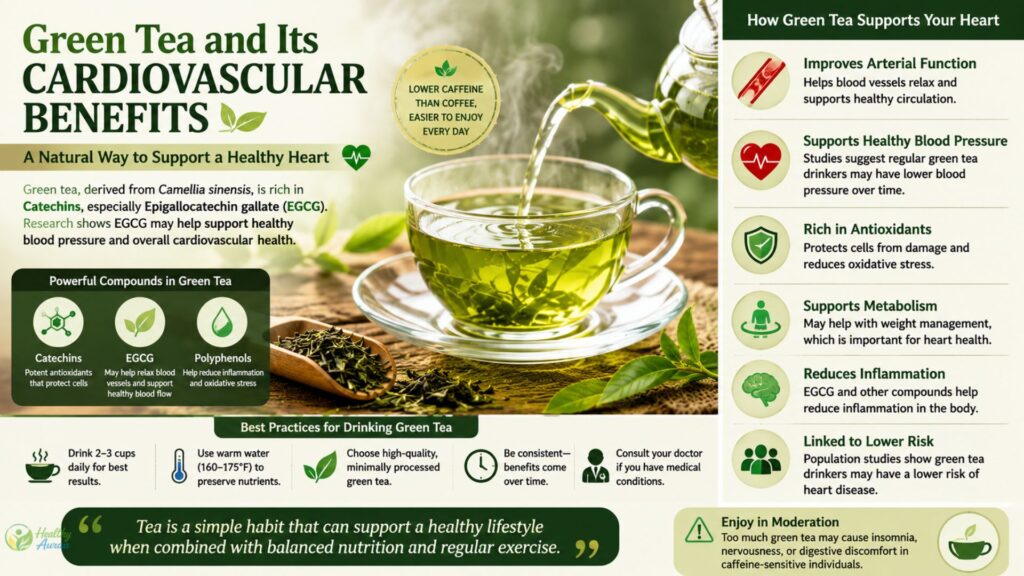
Green tea has been enjoyed for thousands of years. Today, it remains one of the most studied beverages in the world. Derived from Camellia sinensis, green tea contains abundant Catechins, particularly Epigallocatechin gallate (EGCG). Scientists continue to investigate the relationship between EGCG and hypertension, and the findings remain encouraging.
One reason green tea stands out is its versatility. It may help improve Arterial function, support metabolism, and reduce oxidative stress. These effects are largely attributed to its high concentration of Antioxidants. While green tea contains caffeine, the amount is usually lower than coffee. As a result, many people find it easier to tolerate.
The conversation surrounding Green tea for blood pressure has expanded significantly over the last decade. Several population studies suggest that regular tea drinkers may experience lower rates of cardiovascular disease. Although researchers continue to examine the exact mechanisms, the evidence supporting Green tea cardiovascular benefits continues to strengthen.
If you enjoy green tea, moderation remains important. Excessive consumption may cause insomnia, nervousness, or digestive discomfort in caffeine-sensitive individuals. Still, for many adults seeking the best tea for high blood pressure, green tea remains one of the safest and most accessible options available.
“Tea is a simple habit that can support a healthy lifestyle when combined with balanced nutrition and regular exercise.”
Herbal Teas That Support Healthy Blood Pressure
Beyond hibiscus and green tea, several herbal options deserve attention. Chamomile, ginger, garlic, and hawthorn each offer unique properties that may support heart health. Together, they form a diverse group of Herbal remedies for hypertension that continue to attract scientific interest.
Chamomile is perhaps best known as a Stress relief tea. Prepared from Matricaria chamomilla and Chamaemelum nobile, it may promote better sleep and relaxation. Since stress often contributes to elevated blood pressure, improving sleep quality can indirectly benefit cardiovascular health. Discussions about Chamomile tea and blood pressure frequently focus on this connection.
Ginger and garlic have equally impressive reputations. Ginger contains Terpenoids and other bioactive compounds that may help Improve circulation naturally. Garlic, meanwhile, has long been associated with supporting healthy blood vessels. Although garlic tea remains less common in the United States, many people include it among their preferred forms of Alternative medicine for high blood pressure.
Hawthorn continues to gain attention as well. Researchers studying Hawthorn berry tea benefits have noted its potential role in supporting circulation and heart function. Combined with a healthy lifestyle, these herbal options may provide additional support for individuals interested in Managing hypertension without medication under medical supervision.
| Herbal Tea | Key Compound | Potential Benefit |
| Chamomile | Coumarins | Relaxation and sleep support |
| Ginger | Terpenoids | Improved circulation |
| Garlic | Allicin | Vascular support |
| Hawthorn | Polyphenols | Heart function support |
| Olive Leaf | Oleuropein | Healthy blood pressure support |
Teas to Avoid If You Have High Blood Pressure
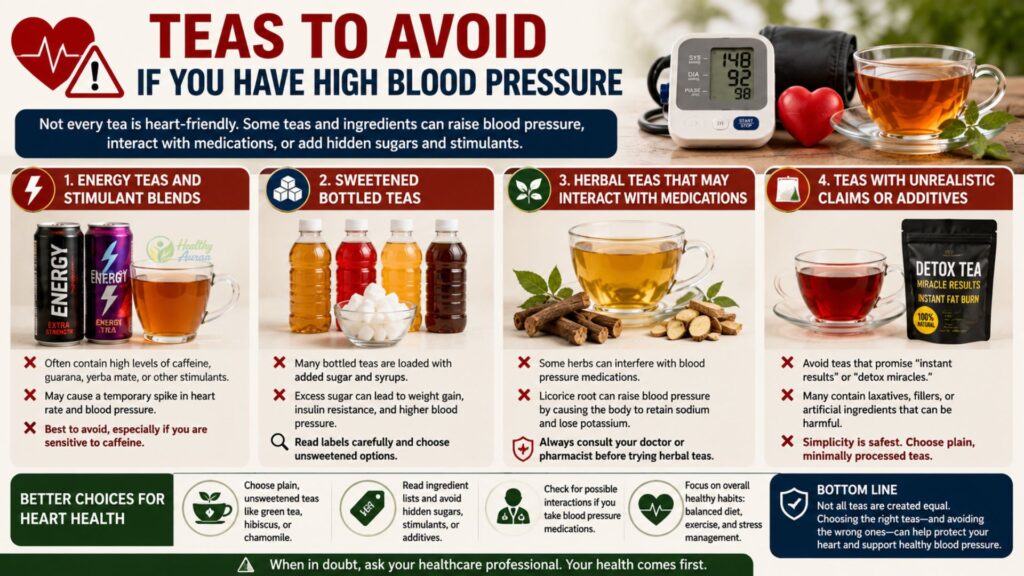
Not every tea belongs in a heart-healthy routine. Some beverages marketed as “energy teas” contain excessive amounts of caffeine and stimulants. These products may temporarily increase heart rate and blood pressure, particularly in sensitive individuals.
Sweetened bottled teas deserve attention as well. Many contain large amounts of added sugar. Excess sugar consumption has been linked to obesity and metabolic problems, both of which contribute to Hypertension. Reading labels carefully can help you avoid unnecessary ingredients.
Certain herbal blends may also interact with medications. This raises an important question frequently seen online: “Does herbal tea affect blood pressure medication?” The answer is sometimes yes. Ingredients like licorice root, for example, may elevate blood pressure in some individuals. Always review herbal supplements with your physician or pharmacist.
If you are searching for the best tea for high blood pressure, simplicity is often the safest approach. Plain, minimally processed teas generally provide the greatest benefits with the fewest concerns. Avoid products that make unrealistic promises or advertise instant results.
How Much Tea Should You Drink Daily?
One of the most common questions people ask is, “How many cups of hibiscus tea should I drink daily?” While recommendations vary, most studies involving tea and blood pressure use one to three cups per day. Drinking more does not necessarily produce better results.
Tea works best when consumed consistently. Establishing a daily routine can help transform it into one of your Healthy daily habits for blood pressure. Many people enjoy a cup in the morning and another in the evening. This approach provides balance without overdoing caffeine intake.
The ideal amount depends on several factors, including age, medications, and caffeine sensitivity. Someone who tolerates caffeine well may enjoy green tea regularly, while another person may prefer caffeine-free hibiscus or chamomile. Listening to your body remains essential.
Ultimately, the best tea for high blood pressure is one that you can enjoy regularly and safely. Long-term consistency matters far more than short-term intensity. Think of tea as a marathon rather than a sprint. Over time, small habits can produce meaningful improvements in overall wellness.
Other Drinks and Foods That Lower Blood Pressure
Tea is only one piece of the puzzle. Many people are surprised to learn that several foods and beverages may support healthy blood pressure levels. Doctors often recommend combining the best tea for high blood pressure with a balanced eating plan. This approach creates a stronger foundation for long-term wellness.
Beetroot juice remains one of the most studied options. It contains nitrates that the body converts into nitric oxide. Nitric oxide helps widen blood vessels and supports Blood vessel relaxation. Pomegranate juice, tomato juice, and low-fat milk have also been linked to improved Cardiovascular health. These beverages are frequently included among the best Heart wellness drinks for adults.
Nutrition plays an equally important role. Leafy greens, bananas, berries, salmon, and oats are considered excellent Foods that lower blood pressure. They provide potassium, fiber, and healthy fats that support healthy circulation. Many physicians recommend following DASH dietary principles as part of comprehensive Blood pressure diet tips.
When paired with the best tea for high blood pressure, these foods may help create a heart-friendly routine. No single food will solve hypertension overnight. However, a collection of healthy choices can make a meaningful difference over time.
| Food or Drink | Key Nutrient | Potential Benefit |
| Beetroot Juice | Nitrates | Supports circulation |
| Pomegranate Juice | Antioxidants | Heart support |
| Tomatoes | Potassium | Blood pressure balance |
| Bananas | Potassium | Healthy fluid balance |
| Oats | Fiber | Heart health support |
| Salmon | Omega-3 | Reduced inflammation |
| Leafy Greens | Magnesium | Healthy blood vessels |
Lifestyle Changes for Hypertension
Some people focus on beverages while overlooking the bigger picture. In reality, Lifestyle changes for hypertension often produce the most significant improvements. Tea can help, but daily habits ultimately determine long-term outcomes.
Exercise remains one of the most effective tools available. The CDC recommends at least 150 minutes of moderate activity each week. Walking, swimming, and cycling can all support healthy blood pressure levels. Regular movement helps strengthen the heart and improve circulation. It also reduces stress, which contributes to elevated blood pressure.
Sleep deserves attention as well. Adults who regularly sleep fewer than seven hours may face a higher risk of developing hypertension. Establishing a consistent bedtime routine can improve recovery and support overall health. Many people enjoy Chamomile tea for stress relief as part of their evening routine because it encourages relaxation.
Stress management is another critical factor. Meditation, deep breathing exercises, and spending time outdoors can all help. These strategies complement the best tea for high blood pressure and reinforce broader goals related to Natural blood pressure management. In many cases, the small habits you repeat every day have the greatest impact.
Case Study: Small Changes, Big Results
A 52-year-old office worker from Ohio struggled with Stage 1 hypertension. After speaking with his physician, he introduced two daily walks, reduced sodium intake, and replaced sugary beverages with hibiscus tea. Six months later, his blood pressure readings improved significantly. While tea was not the sole reason for his progress, it became a valuable part of his routine.
Frequently Asked Questions About Tea and Blood Pressure
What is the best tea to lower blood pressure?
Current research suggests that hibiscus is among the strongest candidates for the best tea for high blood pressure. Its rich concentration of Anthocyanins and other plant compounds has been linked to modest improvements in blood pressure. Green tea also performs well because of its high levels of Epigallocatechin gallate (EGCG).
Can drinking tea reduce hypertension?
Tea may help support healthy blood pressure when used alongside healthy habits. However, it should never replace medical care. Many experts consider tea a complementary strategy for Managing hypertension without medication under appropriate medical supervision.
Is tea better than coffee for high blood pressure?
Tea generally contains less caffeine than coffee. As a result, some individuals tolerate it better. However, responses vary from person to person. Monitoring your symptoms and discussing concerns with your physician remains important.
Does herbal tea affect blood pressure medication?
Yes, some herbal ingredients can interact with medications. Licorice root, for example, may increase blood pressure in certain individuals. Before trying any new supplement or tea, consult your healthcare provider.
How many cups of hibiscus tea should I drink daily?
Most studies involving hibiscus tea use one to two cups daily. Consistency appears to be more important than quantity. Excessive consumption is unlikely to provide additional benefits.
What drinks lower blood pressure immediately?
There is no beverage that reliably lowers blood pressure instantly. However, beetroot juice, hibiscus tea, and pomegranate juice have demonstrated promising results when consumed regularly as part of a healthy lifestyle.
Is green tea safe for people with hypertension?
For most adults, green tea is safe when consumed in moderation. Individuals who are sensitive to caffeine may prefer caffeine-free alternatives such as chamomile or hibiscus tea.
Are there side effects of drinking tea for blood pressure?
Possible side effects include digestive discomfort, insomnia, and medication interactions. Understanding potential risks is just as important as understanding benefits.
Which herbal tea is best for heart health?
Many experts point to hibiscus, green tea, and hawthorn as excellent options. Each offers unique compounds that may support healthy circulation and overall heart function.
Can tea replace blood pressure medication?
No. Tea should never replace medication prescribed by a licensed healthcare professional. Instead, it works best as part of a broader plan that includes exercise, nutrition, and regular medical care.
Key Takeaways
Finding the best tea for high blood pressure does not need to feel overwhelming. Hibiscus, green tea, chamomile, olive leaf tea, and hawthorn all offer unique benefits. Their plant compounds may support healthy circulation, reduce Inflammation, and contribute to better Cardiovascular health over time.
At the same time, tea works best when paired with healthier choices. Regular exercise, quality sleep, and nutritious meals remain the cornerstones of effective blood pressure management. Building a routine around Healthy daily habits for blood pressure often produces better results than relying on any single remedy.
Remember that hypertension is a long-term condition. Progress usually happens gradually. A daily cup of tea may seem like a small step, yet small steps have a way of adding up. Whether you prefer hibiscus, green tea, or chamomile, consistency remains the secret ingredient.
If you have concerns about elevated blood pressure, speak with your healthcare provider. Together, you can determine whether adding the best tea for high blood pressure to your routine makes sense for your individual needs.
“Take care of your body. It’s the only place you have to live.” — Jim Rohn
Trusted Medical Sources
| Organization | Website |
| CDC | https://www.cdc.gov/bloodpressure/ |
| NIH | https://www.nih.gov/ |
| Harvard Health | https://www.health.harvard.edu/ |
| Mayo Clinic | https://www.mayoclinic.org/ |
| Cleveland Clinic | https://my.clevelandclinic.org/ |
| Johns Hopkins Medicine | https://www.hopkinsmedicine.org/ |