Probiotics vs Prebiotics: What’s the Difference and Which Do You Need?
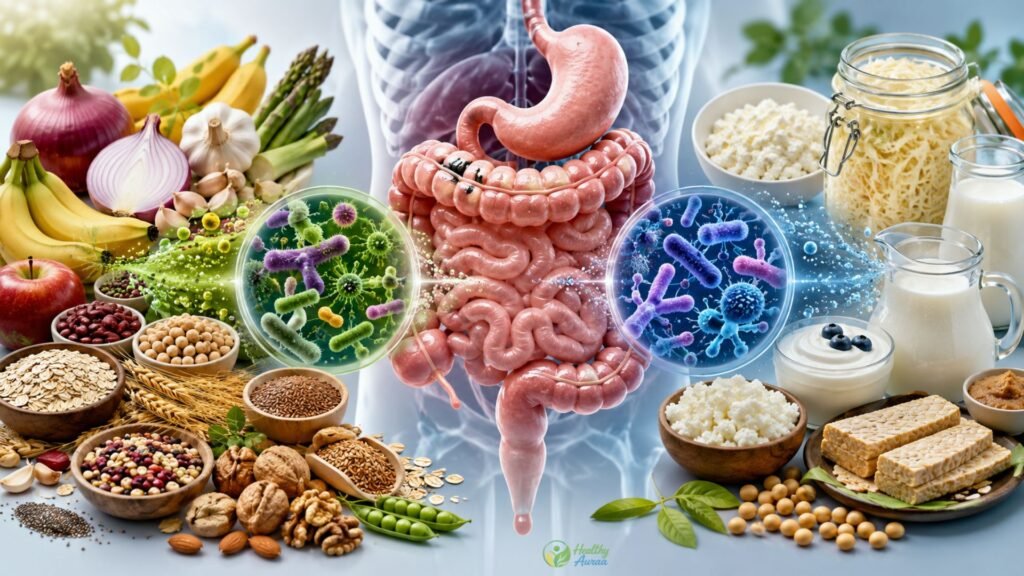
Your digestive tract is far more than a food-processing tube. It houses a vast community of gut microorganisms that interact with food, medications, immune cells, and each other. That community is called the gut microbiome. Understanding probiotics vs prebiotics helps you make sense of the foods and supplements marketed for better digestion. The key is simple: prebiotics feed certain microbes, while probiotics provide specific live microorganisms that may offer health benefits.
The distinction matters because your gut is not a one-size-fits-all ecosystem. Each person has a different mix of gut bacteria, fungi, viruses, and other microbes. Diet, age, medications, illness, stress, and lifestyle can all influence that community. Therefore, a product that helps one person may do little for another. Good gut care usually starts with the basics rather than the fanciest supplement on the shelf.
What Are Prebiotics?
Prebiotics are substances that your body does not fully digest and that certain beneficial microorganisms can use as fuel. Many occur naturally in plant foods. They include specific types of fiber, resistant starches, oligosaccharides, inulin, and other compounds. Because they reach parts of the digestive tract where microbes can use them, they can influence the environment in which those microbes live.
A useful way to picture prebiotics is to imagine a community garden. The plants represent your gut flora, while prebiotics resemble the nutrients that help selected plants grow. You are not simply adding more organisms. Instead, you are changing the food supply available to microbes already living inside your gastrointestinal tract.
Many familiar foods can contribute prebiotic compounds. Dietary fiber from beans, oats, onions, garlic, asparagus, bananas, whole grains, and other plant foods can support microbial activity. However, not every gram of fiber qualifies as a prebiotic. The term applies more specifically to substances that beneficially affect microorganisms in a selective way.
This distinction explains why eating a variety of plant foods matters. One food rarely supplies every type of fermentable carbohydrate your microbiota can use. A diverse diet gives different microbes different substrates. Over time, that variety can contribute to microbiome diversity, which is an important part of maintaining a resilient microbial ecosystem.
What Are Probiotics?
Probiotics are live microorganisms that provide a health benefit when consumed in adequate amounts. They can include certain bacteria and yeasts. Importantly, the word “probiotic” does not mean every microorganism found in fermented food automatically provides a proven health benefit. Scientists study specific organisms and strains for specific outcomes.
This is where terminology becomes important. A probiotic is usually identified by genus, species, and strain. For example, a product may contain a particular strain of Lacticaseibacillus rhamnosus. Another may contain a strain of Bifidobacterium. Those differences matter because probiotic strains can behave differently in the body.
You can find probiotics in some foods and supplements. Probiotic foods may include yogurt containing live and active cultures, kefir, certain cheeses, and some fermented vegetables. Yet fermentation alone does not guarantee that a food still contains living microorganisms when you eat it. Heating, pasteurization, and other processing steps can change that.
That detail prevents a common mistake. People often assume that anything labeled “fermented” automatically qualifies as a probiotic. It does not. A food may have been fermented using microorganisms and then processed in a way that removes or kills them. Checking the label for specific live cultures gives you more useful information than relying on the word “fermented” alone.
What’s the Difference Between Prebiotics and Probiotics?
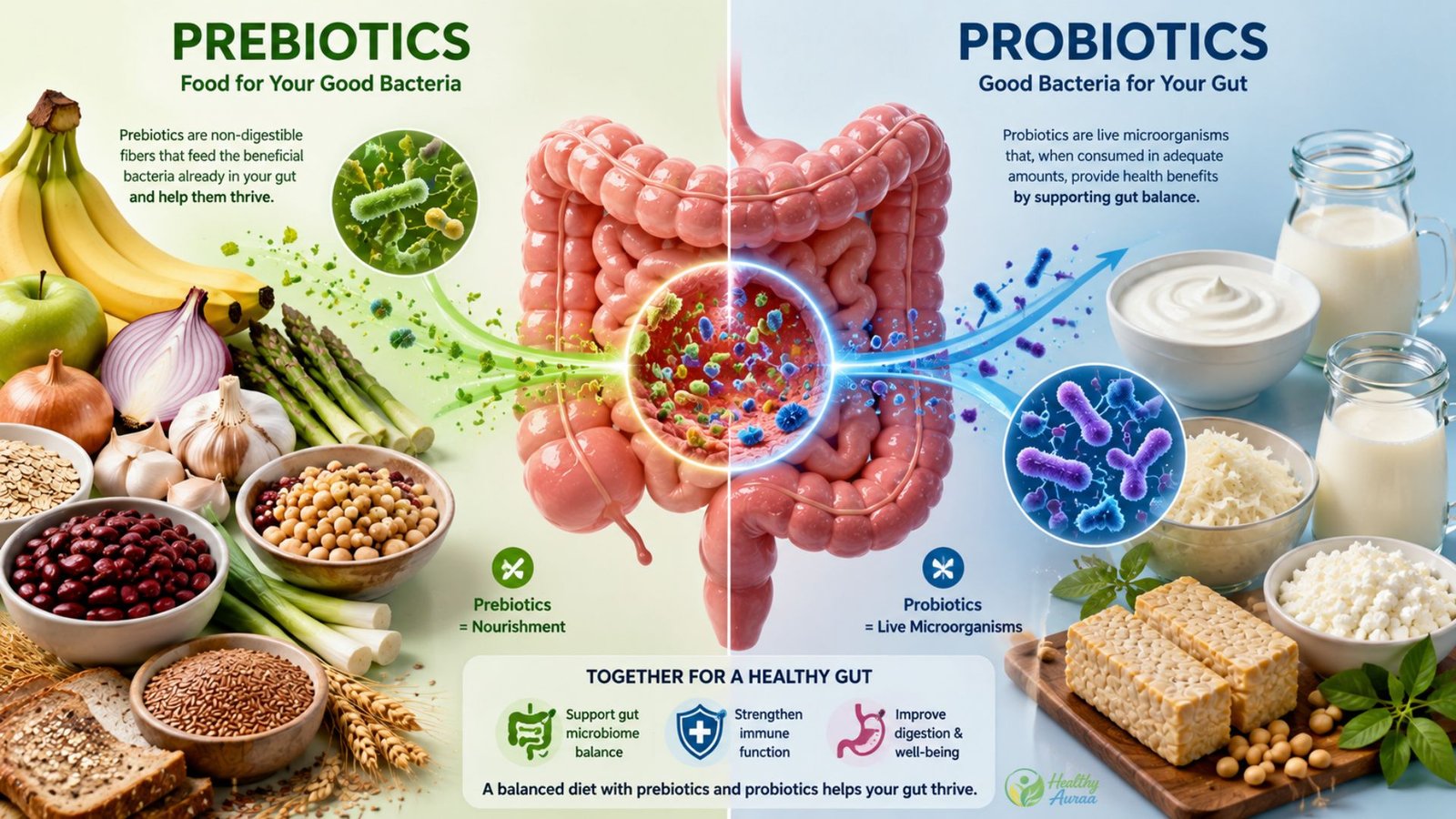
The easiest way to understand the difference between prebiotics and probiotics is to separate their jobs. Prebiotics are compounds that certain microbes can use. Probiotics are specific living microorganisms that may provide health benefits when consumed in sufficient amounts. One supplies a resource. The other supplies an organism.
The garden analogy works well here. Think of probiotics as seeds and prebiotics as nourishment for selected plants. That analogy is not a literal description of your intestine. Still, it captures the basic relationship without making the science unnecessarily complicated.
| Feature | Prebiotics | Probiotics |
| Basic role | Provide fuel for certain gut microbes | Provide specific live microorganisms |
| Common sources | Plant foods and certain fibers | Yogurt, kefir, some fermented foods |
| Main focus | Microbial food supply | Specific microbial strains |
| Common supplement form | Fiber or prebiotic compounds | Capsules, powders, or other preparations |
| Key consideration | Tolerance and gradual fiber increase | Strain, dose, evidence, and safety |
The phrase probiotics vs prebiotics can therefore be misleading if it makes you think you must choose only one. They are not competing nutrients. They operate differently. For many people, a varied diet can provide both without requiring a complicated supplement routine.
Do You Need Both Prebiotics and Probiotics?
Here is the practical answer: most healthy adults can focus on a varied diet rather than trying to calculate a perfect ratio of prebiotics to probiotics. There is no universal recommendation telling every healthy person exactly how much of each to consume. Your overall eating pattern matters greatly.
Prebiotics can help feed beneficial bacteria already present in your intestine. Probiotic foods can introduce selected live microbes. However, consuming a probiotic does not guarantee that the organism will permanently establish itself in your gut. The microbiome is a competitive environment with many existing organisms and changing conditions.
That is why variety is more useful than chasing one “superfood.” You might eat oatmeal and berries at breakfast, beans and vegetables at lunch, then yogurt with dinner. Another day could include barley, lentils, onions, asparagus, nuts, seeds, and a fermented food. Such variety provides different fibers and microbial exposures.
The idea behind prebiotics and probiotics working together is sound, but it should not become a marketing slogan. Evidence differs by strain, condition, dose, and person. A healthy diet remains the foundation. Supplements can have a role in specific situations, but they should not replace nutritious food or proven medical treatment.
Where Are Prebiotics and Probiotics Found?

Your kitchen can become the simplest starting point for improving gut health. Plant foods supply many fibers and other compounds that microbes can ferment. Foods such as beans, oats, barley, onions, garlic, asparagus, bananas, apples, avocado, and whole grains are useful examples. Nuts and seeds also add fiber and other nutrients to the diet.
For food sources of prebiotics, think broadly rather than memorizing a tiny food list. Fruits and vegetables provide different fibers. Beans and lentils contribute fermentable carbohydrates. Whole grains provide fiber and resistant starch. Cooked and cooled potatoes can also contain more resistant starch than freshly cooked potatoes.
For food sources of probiotics, look for foods that actually contain suitable living microorganisms. Yogurt with live cultures and kefir are familiar choices. Some fermented vegetables, including sauerkraut, can contain live microbes when they have not undergone processing that destroys them. Tempeh is another fermented food, although its microbial content depends on production and processing.
The label can settle many questions. For yogurt, look for “live and active cultures.” For packaged fermented foods, check whether living cultures are present. Buttermilk can contain cultures as well, although products vary. The larger goal is not to build your diet around one trendy item. Instead, combine fiber-rich plant foods with suitable fermented foods when they fit your preferences and tolerance.
What Are the Health Benefits of Prebiotics and Probiotics?
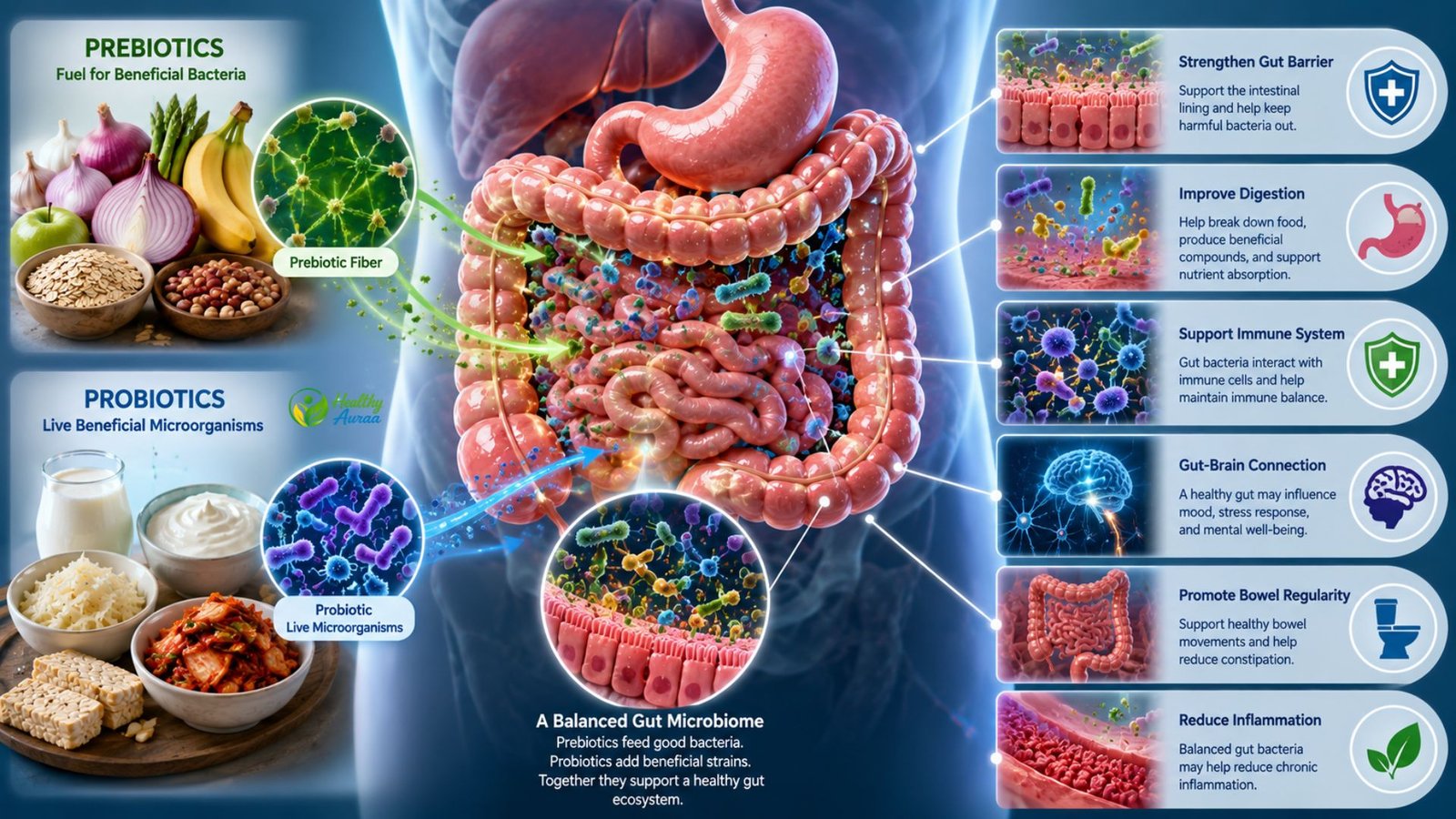
The strongest reason to care about gut health benefits is that the microbiome participates in several normal body processes. Gut microbes help break down components of food, interact with the intestinal environment, and influence immune activity. When microbes ferment certain fibers, they can produce short-chain fatty acids and other metabolites that researchers continue to study.
A diet rich in fiber can support healthy digestion, stool formation, and bowel regularity. Some prebiotic-rich foods may also improve mineral absorption, including calcium absorption. These effects depend on the food, the type of fiber, the amount consumed, and the individual. More fiber is not automatically better if your digestive system cannot tolerate a sudden increase.
Probiotics have a more complicated evidence picture. Certain strains have shown benefits for particular conditions, including some forms of antibiotic-associated diarrhea. Research also continues in areas such as irritable bowel syndrome and inflammatory bowel disease. However, you cannot assume that one probiotic strain will produce the same result as another.
Researchers are also examining the gut-brain connection, including possible links between microbiota and mood. Studies have explored anxiety and gut health, depression and gut health, inflammation, metabolic health, and immune function. These fields are promising, but association does not prove that eating a particular probiotic will prevent or treat a disease. The evidence remains condition-specific.
Is There a Recommended Amount of Prebiotics I Should Be Aiming For?
There is no single official daily target for “prebiotics” that applies to everyone. Instead, U.S. nutrition guidance generally focuses on total fiber intake. The exact amount you need depends on factors such as age, sex, and energy needs. Meeting your overall fiber needs through varied foods is usually a more useful goal than counting isolated prebiotic compounds.
For example, oatmeal at breakfast can add soluble fiber. Beans at lunch can add fermentable carbohydrates and resistant starch. Vegetables, fruits, whole grains, nuts, and seeds can fill out the rest of the day. This pattern gives your body a broad mixture of nutrients rather than concentrating on one isolated ingredient.
Your recommended prebiotic intake also depends on how your digestive system responds. Someone who rarely eats fiber may experience gas after suddenly adding several large servings of beans, onions, and whole grains. That does not necessarily mean those foods are unhealthy. It may simply mean the change happened too quickly.
A gradual increase is usually more comfortable. Increase your prebiotic fiber intake over time and drink enough fluid to support normal digestion. If you have a gastrointestinal disorder, significant dietary restrictions, or persistent symptoms, a registered dietitian or other qualified health professional can help tailor your intake.
How Do I Know if I’m Getting Enough Prebiotics and Probiotics in My Diet?
Start with your entire diet rather than looking for a magic number. If most of your meals rely on refined grains, highly processed foods, and very few plants, increasing fiber-rich foods may be more meaningful than buying a probiotic capsule. Your first question should be whether your everyday meals contain enough variety.
A colorful plate can provide a useful visual shortcut. Vegetables, fruits, beans, whole grains, nuts, and seeds bring different fibers and plant compounds. Adding yogurt with live cultures or another suitable fermented food can provide probiotics. This creates a practical foundation without requiring you to track every microorganism.
Pay attention to how your body responds. Better bowel regularity, comfortable digestion, and good tolerance can suggest that dietary changes are working well for you. Yet symptoms alone cannot prove that your gut microbiome changes are beneficial. Digestion is influenced by sleep, stress, exercise, medications, hydration, and many other factors.
You also do not need to inspect your stool for signs of “good bacteria.” A home bathroom observation cannot measure microbiome health accurately. Scientific microbiome testing can analyze a stool sample, but commercial testing does not automatically tell you what you should eat or which probiotic you need. A broader dietary pattern remains more useful for most people.
Should I Take a Prebiotic or Probiotic Supplement?
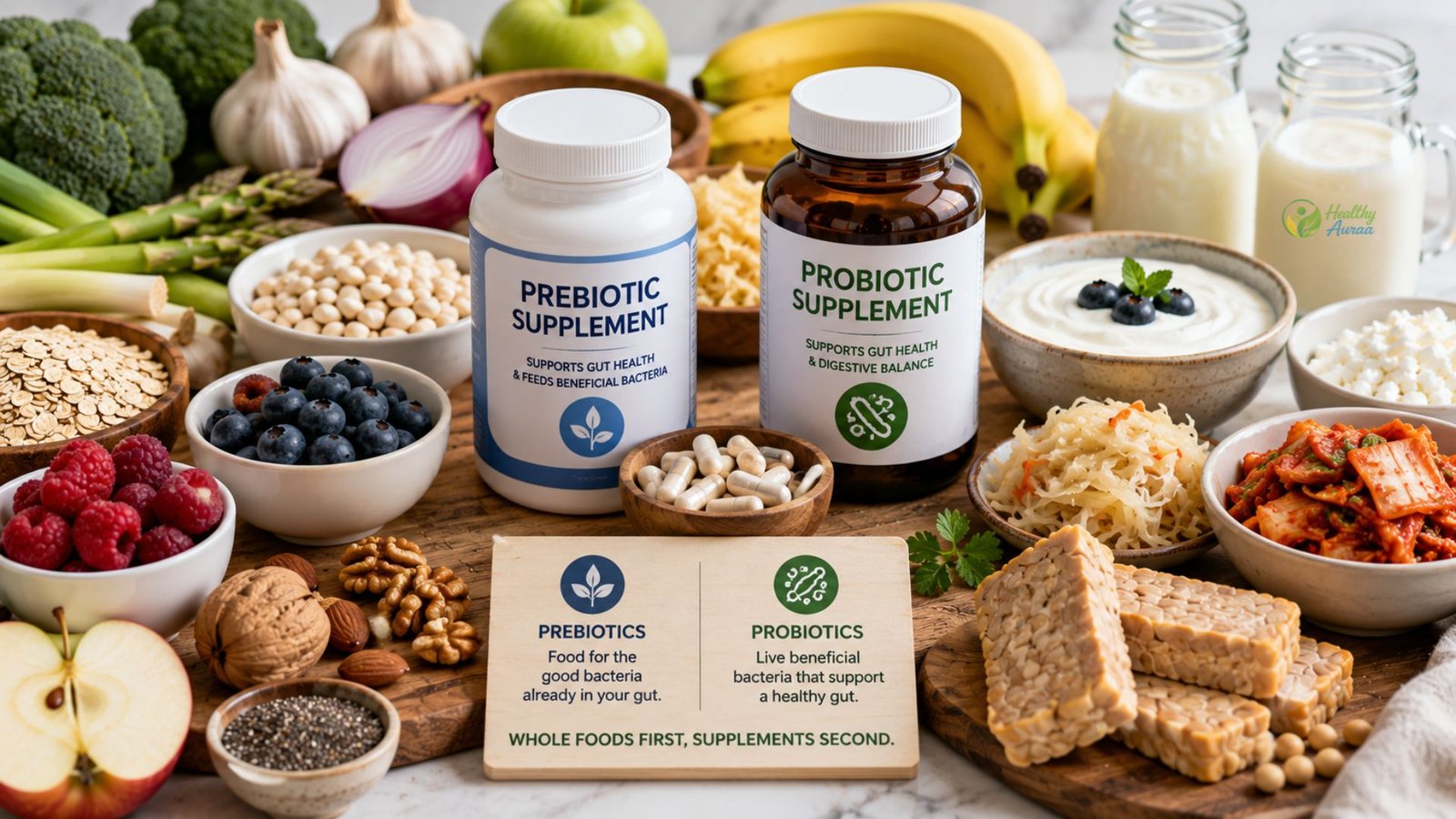
Supplements deserve a closer look because the bottle can make a complicated biological system appear deceptively simple. Prebiotic supplements may contain isolated fibers or compounds such as inulin. Probiotic supplements can contain one strain or several strains at varying doses. The label alone does not tell you whether the product will help your specific goal.
For probiotics, strain identity matters. The number of colony-forming units, or CFUs, also matters, but a bigger number does not automatically mean a better product. NIH notes that benefits depend on the microorganisms present and their amounts. Different products may have very different evidence behind them.
Supplement quality is another concern. In the United States, dietary supplements are regulated differently from prescription drugs. Manufacturers generally do not need FDA approval before marketing a dietary supplement. That makes careful product selection and professional guidance particularly important.
If you have a chronic illness, take medications, or have a weakened immune system, discuss supplements with your health care provider. Possible medication interactions and individual risks deserve attention. A supplement should solve a defined problem rather than become an expensive substitute for an otherwise poor diet.
What Should I Know Before Adding More Prebiotics and Probiotics to My Diet?
Your digestive system may complain if you make several changes overnight. A sudden jump in fiber can cause gastrointestinal discomfort, gas, bloating, cramping, or changes in bowel habits. These prebiotic side effects often reflect the speed and size of the dietary change rather than a simple sign that the food is “bad.”
Instead, introduce one change at a time. You might add a small serving of beans to one meal. Later, you could increase whole grains or add another vegetable. This lets you notice which foods feel comfortable and which ones trigger symptoms.
Probiotic products can also cause temporary digestive symptoms. Gas and mild discomfort are among the more common complaints. However, probiotic side effects are not always predictable because different strains behave differently. People with serious medical conditions face greater safety concerns than healthy adults.
People receiving cancer treatment need extra caution. During chemotherapy, radiation therapy, or other intensive treatment, immune defenses and the intestinal barrier can be affected. Cancer patients probiotics should therefore be considered with the oncology team rather than treated as an ordinary wellness decision. People with significant immune suppression or serious illness should not start probiotic supplements without professional guidance.
How Can I Tell if Prebiotics and Probiotics Are Working?
The most honest answer is that you usually cannot tell exactly what is happening inside your microbiome from symptoms alone. A change in bowel habits might reflect more fiber. A reduction in bloating might result from removing another food. Sleep, exercise, stress, hydration, and medications can also alter digestion.
Instead of searching for a dramatic signal, watch for practical patterns. Are your bowel movements becoming more regular? Are you tolerating your meals comfortably? Are you consistently eating more plants? Are you able to maintain the dietary change without feeling miserable? These measures are more useful than expecting a supplement to create an obvious sensation.
Scientists can measure gut microbiota using laboratory methods. Yet the meaning of a particular microbial profile is still an active research area. Having more of one bacterium does not automatically mean your health is better. A healthy ecosystem involves relationships among many intestinal microorganisms and their environment.
Consistency is therefore more valuable than novelty. Eating vegetables once will not transform your microbiome overnight. A sustained pattern of varied plant foods, adequate fiber, and suitable fermented foods is a more sensible long-term strategy. In probiotics vs prebiotics, neither side needs to become a miracle cure.
What About Prebiotic Sodas?
Prebiotic sodas appeal to a very human desire: better health without changing much of your routine. They may contain added prebiotic fibers and can sometimes provide a convenient way to increase fiber. Still, the word “prebiotic” does not turn a sweet beverage into a nutritional equivalent of whole foods.
Check the nutrition label before making a purchase. Look at fiber, added sugars, calories, sweeteners, and serving size. Some people tolerate added fibers well. Others develop gas or bloating when they consume large amounts quickly. Your response matters more than the marketing language on the front of the can.
Whole foods remain the stronger foundation because they deliver more than one isolated ingredient. Beans provide fiber and plant protein. Apples provide fiber and micronutrients. Oats offer fiber along with other nutrients. Fruits and vegetables bring a broad collection of vitamins, minerals, and plant compounds.
That does not mean a prebiotic soda is automatically harmful. It simply deserves the same scrutiny as any other packaged food. If you enjoy one, treat it as an optional addition rather than the centerpiece of your gut-health strategy.
The Bottom Line on Probiotics vs Prebiotics
The real lesson from probiotics vs prebiotics is that your gut is an ecosystem rather than a machine with one missing part. Prebiotics provide compounds that certain microbes can use. Probiotics provide specific living microorganisms that may offer benefits in particular situations. Their roles overlap in the broader goal of supporting a healthy microbial environment.
For most healthy adults, food is the sensible starting point. Build meals around vegetables, fruits, beans, whole grains, nuts, and seeds. Add suitable yogurt or other foods containing live cultures if you enjoy them. This approach supports gut bacteria balance while also supplying protein, vitamins, minerals, and other nutrients.
Supplements have a narrower role. Some specific probiotic formulations have evidence for particular health outcomes. However, there is no universal probiotic that works for everyone. Higher CFUs do not automatically produce better results, and probiotics safety becomes more important when someone has a serious illness or weakened immunity.
Ultimately, the best strategy is remarkably ordinary. Eat a varied diet. Increase fiber gradually. Pay attention to tolerance. Use supplements for a clear reason when appropriate. And if you have a medical condition or take important medications, discuss your plan with a qualified professional before making major changes.
Frequently Asked Questions About Probiotics vs Prebiotics
Are prebiotics and probiotics the same thing?
No. Prebiotics are compounds that certain gut microbes can use. Probiotics are specific living microorganisms that may provide health benefits when consumed in adequate amounts.
Can you take prebiotics and probiotics together?
Yes, many foods naturally provide both parts of the equation across a varied diet. Some supplements also combine them. However, combining products does not guarantee better health outcomes.
Which is better for gut health?
Neither is universally better. The answer depends on your diet, health status, symptoms, and the specific probiotic strain or prebiotic compound involved.
Do all fermented foods contain probiotics?
No. Fermentation may involve microorganisms, but later processing can remove or kill them. Look for products that specifically identify live cultures when that matters to you.
Can probiotics cause gas and bloating?
They can. Some people experience mild digestive symptoms after starting them. Serious illness or immune problems require additional caution because rare but serious infections have occurred.
Are prebiotics safe for everyone?
Many healthy adults tolerate prebiotic-rich foods well. However, people with certain gastrointestinal conditions may experience worse symptoms with large amounts of fermentable carbohydrates. Gradual changes can improve tolerance.
Should cancer patients take probiotic supplements?
Not without discussing them with their oncology team. Cancer treatment can alter immune function and the gut environment. People with weakened immune systems or serious illness may face higher risks from probiotic products.
Trusted Medical Sources
The National Institutes of Health (NIH) Office of Dietary Supplements provides evidence-based consumer information about probiotic strains, foods, supplements, safety, and CFUs.
The National Center for Complementary and Integrative Health (NCCIH) reviews the evidence for probiotic usefulness and safety, including concerns for seriously ill and immunocompromised people.
Mayo Clinic explains the basic roles of probiotics and prebiotics and emphasizes that research has not established that these products are beneficial or safe for everyone.
Harvard Health Publishing provides practical guidance on fiber-rich foods, fermented foods, prebiotics, probiotics, and the broader relationship between diet and the microbiome.
Cleveland Clinic explains the distinction between prebiotics and probiotics and highlights the importance of food sources, strain differences, and individual tolerance.