High Protein Breakfast Ideas for Weight Loss: 14 Healthy Options
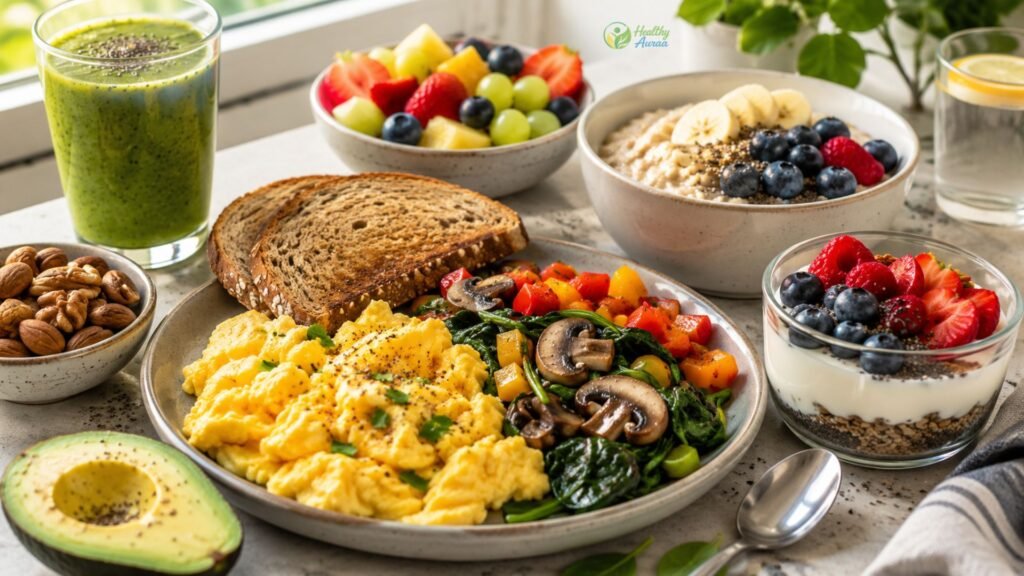
If your breakfast leaves you hungry by 10 a.m., changing what you eat can make a noticeable difference. A meal built around high-protein breakfast foods can provide stronger satiety than a breakfast centered mainly on refined carbohydrates. This does not mean protein is a magic weight-loss food. Your total calorie intake, food quality, activity, sleep, and long-term habits still matter. However, a protein-rich morning meal can make it easier to manage hunger and stay consistent.
The best high protein breakfast ideas are also practical. You do not need expensive ingredients or complicated recipes. Eggs, Greek yogurt, cottage cheese, beans, tofu, oats, and milk can all become useful parts of a satisfying breakfast. When you combine them with vegetables, fruit, whole grains, and moderate portions of healthy fats, you get a more complete meal.
This guide focuses on simple breakfast ideas for weight loss that work for different tastes and schedules. Some are sweet. Others are savory. Several can be prepared ahead of time. More importantly, each option shows you how to build a balanced breakfast that supports fullness without turning breakfast into a rigid diet.
1. Scrambled Eggs with Veggies
Eggs remain one of the easiest foundations for a protein breakfast for weight loss. Two large eggs provide a useful amount of high-quality protein along with important micronutrients. Adding egg whites can increase protein without adding as much fat as adding several additional whole eggs. This makes the meal easy to adjust according to your needs.
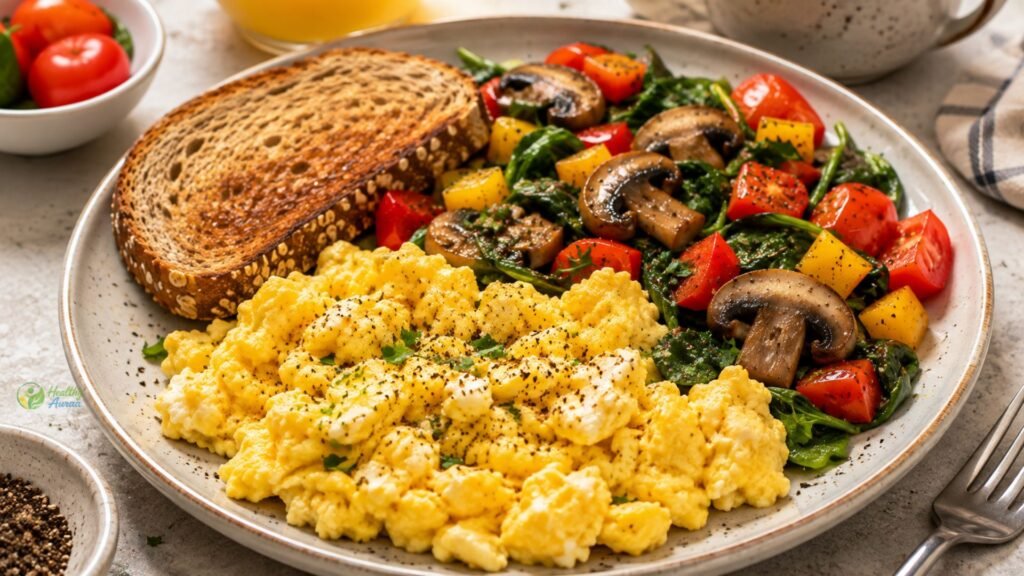
Vegetables make this breakfast much more satisfying. Try spinach, mushrooms, and bell peppers with your eggs. These foods add volume, color, vitamins, minerals, and dietary fiber while keeping the meal relatively light. You can also add tomatoes, onions, zucchini, or broccoli for more variety.
If you want more protein, add a small amount of turkey or another lean protein. A slice of whole-grain toast can provide carbohydrate and additional fiber. The goal is not to eliminate carbohydrates. Instead, build a breakfast where protein and fiber help balance the meal.
| Ingredient | Main benefit |
| Eggs | High-quality protein and nutrients |
| Egg whites | Extra protein with little fat |
| Spinach | Fiber and micronutrients |
| Mushrooms | Volume and nutrients |
| Bell peppers | Vitamin C and flavor |
| Whole-grain toast | Fiber and carbohydrates |
A simple egg breakfast can also help with the psychology of eating. A warm, colorful plate feels like a real meal rather than a punishment. That matters because a restrictive breakfast may leave you searching for snacks later. A satisfying meal is easier to repeat.
2. Tofu Scramble
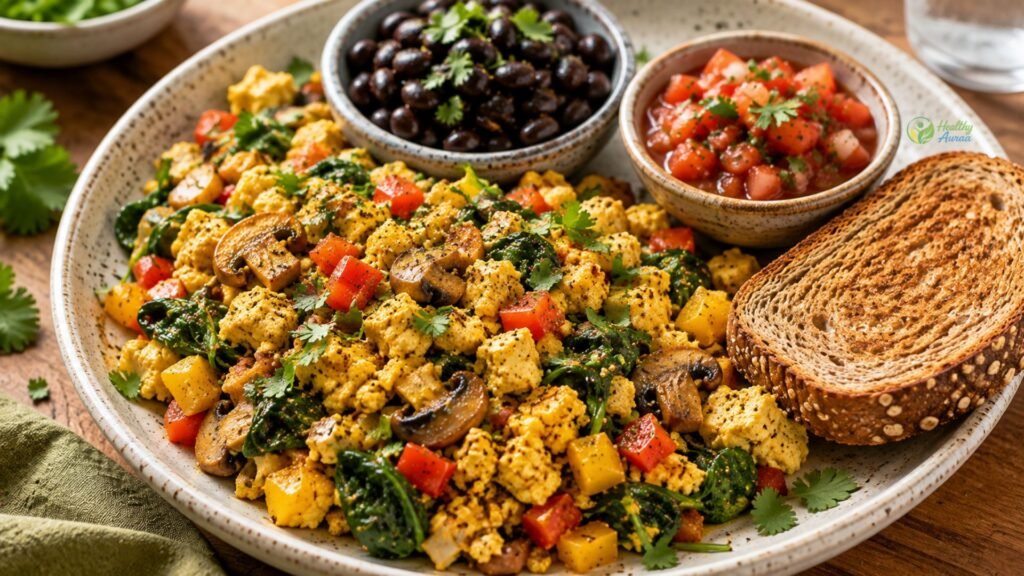
Tofu scramble provides a useful plant-based alternative to traditional scrambled eggs. Firm tofu contains protein and works especially well with vegetables and spices. Crumble the tofu into a pan and cook it with spinach, mushrooms, onions, and bell peppers for a flavorful breakfast.
Tofu also provides a different texture from eggs. You can season it with turmeric, garlic, black pepper, paprika, or nutritional yeast. If you enjoy spicy food, salsa or sliced jalapeños can add plenty of flavor without requiring a heavy sauce.
For a more complete healthy breakfast for weight loss, combine the tofu with beans or a small serving of whole-grain toast. Beans contribute both protein and dietary fiber. Fiber can help slow digestion and make the meal feel more substantial.
This option can be particularly useful if you want variety. Eating the same breakfast every morning may become boring. A rotating menu gives you more flexibility and makes healthy eating feel less like a temporary challenge.
3. Greek Yogurt Parfait
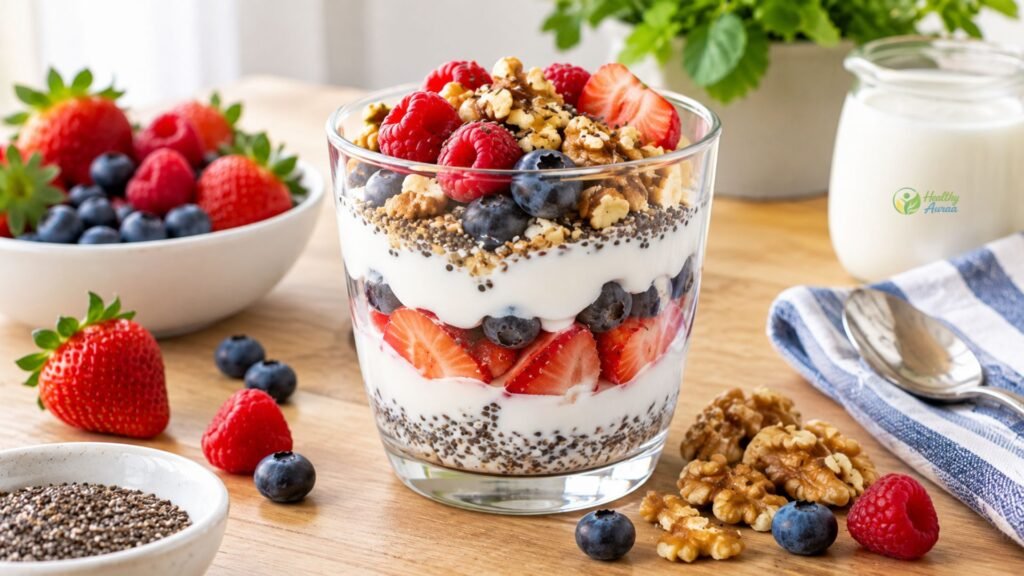
A Greek yogurt parfait is one of the quickest protein breakfast ideas for busy mornings. Plain Greek yogurt provides protein and can contain casein protein, which digests more slowly than some other proteins. Add berries, chia seeds, and a small serving of walnuts for a combination of protein, fiber, healthy fats, and texture.
Berries provide natural sweetness along with antioxidants and fiber. Chia seeds add fiber and can absorb liquid as they sit. Walnuts provide unsaturated fats and other nutrients. Together, these ingredients create a breakfast that feels much more substantial than a bowl of sweetened cereal.
Choose plain yogurt whenever possible if you are trying to control added sugar. Flavored yogurt can contain considerable added sugar depending on the product. You can make plain yogurt sweeter with berries, cinnamon, or a small amount of fruit.
The beauty of this meal is convenience. You can assemble it in a few minutes or prepare it the night before. That makes it a strong choice for meal prep and for mornings when cooking feels like one task too many.
4. Protein Pancakes
Pancakes can still fit into a weight loss breakfast when you build them around more nutritious ingredients. A protein pancake mixture can include oats, eggs, Greek yogurt, and a suitable protein source. This combination provides more protein than traditional pancakes made mainly from refined flour.
Using oats instead of some refined flour can increase fiber and improve the nutritional profile. You can also add berries directly to the batter. After cooking, top the pancakes with Greek yogurt and fruit rather than covering them with large amounts of syrup.
Protein powder can be useful here. However, it should not turn a moderate breakfast into a giant serving. The amount you need depends on your overall diet and protein requirements. More protein is not automatically better when it also adds unnecessary calories.
Pancakes can also satisfy the emotional side of eating. Familiar foods can make a healthy eating pattern feel normal. When your diet includes enjoyable foods in sensible portions, you may find it easier to maintain sustainable weight loss.
5. Avocado and Egg Toast
Avocado and egg toast combines protein, carbohydrates, fiber, and healthy fats in one simple meal. Spread a moderate amount of avocado over whole-grain toast and add eggs on top. Then finish with pepper, tomato, or fresh herbs.
The avocado provides unsaturated fat and fiber. Eggs provide protein and several important nutrients. Whole-grain bread can provide complex carbohydrates and additional fiber. Together, these foods can create a satisfying balanced breakfast.
Portion size matters here. Avocado is nutritious, but it is also calorie-dense. Using half an avocado when you only need a smaller portion can substantially increase the energy content of breakfast. This is why portion control matters even with healthy foods.
You can also make this meal more filling by adding vegetables. Tomatoes, spinach, cucumber, and peppers can increase volume without dramatically increasing calories. That extra volume can make the plate look and feel more generous.
6. Breakfast Burrito
A breakfast burrito can be a filling breakfast for weight loss when you choose the ingredients carefully. Fill a whole-grain tortilla with eggs, black or pinto beans, vegetables, and a modest amount of cheese.
Beans are especially useful because they provide both protein and fiber. Eggs add complete protein while vegetables increase volume. Salsa can provide plenty of flavor without the calorie load of creamy sauces.
You can also use turkey if you want additional lean protein. Keep high-calorie toppings such as large amounts of cheese, sour cream, and processed meats under control. The tortilla itself is not the problem. The overall combination determines whether the meal fits your goals.
A burrito can also become excellent meal prep food. Prepare several portions at once and refrigerate them properly. On busy mornings, you can reheat one instead of relying on fast food or skipping breakfast.
7. Protein Breakfast Smoothie
A protein smoothie can be one of the most convenient high-protein breakfasts when you have little time. Start with milk or unsweetened almond milk, then add Greek yogurt or protein powder. Include berries, spinach, and chia seeds for additional nutrients and fiber.
Smoothies can become calorie-heavy surprisingly quickly. Nut butter, fruit juice, sweetened milk, syrups, and large portions can transform a sensible drink into a very large meal. Measuring ingredients for the first few attempts can help you understand the calorie content.
A smoothie also has one limitation. Drinking calories may feel less satisfying than chewing whole foods for some people. If you finish a smoothie and still feel hungry, add a small whole-food component such as boiled eggs or whole fruit.
The key is balance. A smoothie should support your eating pattern rather than become a shortcut around it. When it contains protein, fiber, and controlled calories, it can be a useful option.
8. Cottage Cheese with Berries and Nuts
Cottage cheese offers an easy way to build a protein-rich breakfast without cooking. It can provide substantial protein in a relatively small serving. Combine it with berries, almonds, and a modest amount of seeds for more texture and nutrients.
The combination also gives you different macronutrients. Cottage cheese supplies protein. Berries provide carbohydrate and fiber. Almonds add healthy fats and texture. This mixture can feel more satisfying than eating cottage cheese alone.
Choose a cottage cheese variety that fits your dietary preferences. Some products contain more sodium than others. If sodium intake matters to you, compare nutrition labels and choose accordingly.
This breakfast is especially useful for people who dislike elaborate cooking. You can assemble it in minutes. That convenience can improve consistency because healthy choices become easier when they require less effort.
9. Pinto Bean and Egg Scramble
Pinto beans and eggs create a powerful combination of protein and fiber. Cook the beans with eggs, onions, tomatoes, and bell peppers. Add salsa, cilantro, or spices for extra flavor.
The beans help make the meal more substantial. Their fiber can slow digestion and support fullness. Eggs provide high-quality protein and complement the amino acid profile of the meal.
For additional carbohydrate, serve the scramble with a small whole-grain tortilla. You can also add avocado in a measured portion. These additions make the meal flexible without requiring complicated preparation.
This is a good example of how affordable foods can become nutrient-dense meals. You do not need specialty products to create high-protein meals. Basic supermarket ingredients can do the job very well.
10. Quinoa Breakfast Bowl
Quinoa gives you another way to move beyond traditional breakfast foods. Cooked quinoa can form the base of either a sweet or savory breakfast bowl. For a sweet version, combine it with Greek yogurt, berries, chia seeds, and a few walnuts.
For a savory version, combine quinoa with eggs, spinach, vegetables, and avocado. This approach provides different textures and a wider range of nutrients. It also makes breakfast more interesting when you are tired of toast and cereal.
Quinoa contains protein as well as carbohydrate. Still, it should not be treated as a complete substitute for concentrated protein sources when you are trying to build a high-protein meal. Pairing it with yogurt, eggs, tofu, or another protein-rich food creates a stronger balance.
The broader lesson is useful. You do not need to build breakfast around one “perfect” food. Think about the entire plate and how its macronutrients work together.
11. Oatmeal
Oatmeal can become an excellent breakfast for weight loss when you add a meaningful protein source. Oats alone may not provide enough protein for a high-protein target. Stir in Greek yogurt after cooking or add milk, cottage cheese, egg whites, or protein powder.
You can then add berries, chia seeds, cinnamon, or a small amount of nuts. These ingredients provide different nutrients and textures. Avoid turning your oatmeal into a dessert with large quantities of brown sugar, syrup, chocolate, or sweetened toppings.
The soluble fiber in oats can contribute to fullness and digestive health. Fiber-rich foods can also help make meals more satisfying. That is useful when your goal is to manage food intake without feeling constantly deprived.
Savory oatmeal offers another option. Try oats with eggs, spinach, mushrooms, peppers, and a small amount of cheese. This version can feel more like lunch while still working beautifully at breakfast.
12. Egg Muffins
Egg muffins are an excellent example of how meal prep can simplify healthy eating. Mix eggs with egg whites, spinach, mushrooms, peppers, and turkey. Pour the mixture into a muffin pan and bake until fully cooked.
Once prepared, the muffins can provide convenient portions for several mornings. Pair them with fruit or whole-grain toast to create a more complete meal. You can also change the vegetables each week to prevent boredom.
The psychological benefit is easy to overlook. When a nutritious breakfast is already waiting in the refrigerator, you remove several decisions from a busy morning. Fewer decisions can make healthy habits easier to repeat.
However, food safety matters. Refrigerate cooked egg dishes promptly and follow safe storage practices. Reheat leftovers thoroughly before eating and discard food that has been stored longer than recommended.
13. Chia Seed Pudding
Chia pudding provides a convenient make-ahead breakfast. Mix chia seeds with milk or unsweetened almond milk and allow the mixture to thicken. Add Greek yogurt for more protein and berries for natural sweetness.
Chia seeds contain fiber and healthy fats. Their ability to absorb liquid also gives the pudding a thick texture. This can make a small serving feel surprisingly substantial.
Remember that nutritious does not mean calorie-free. Chia seeds and nuts are energy-dense. Measuring portions helps you enjoy their benefits without accidentally turning a light breakfast into a high-calorie meal.
This breakfast also works well when you want variety. You can change the fruit, spices, or yogurt flavor while keeping the basic structure intact. A flexible routine is easier to maintain than a rigid menu.
14. Edamame
Edamame may seem unusual at breakfast, but it can work surprisingly well in a savory bowl. These young soybeans provide plant protein and can be combined with eggs, quinoa, spinach, or other vegetables.
Try warming shelled edamame with eggs and vegetables. You can add a small amount of avocado or whole-grain toast for additional carbohydrates and healthy fats. The result is a colorful meal with several different textures.
Edamame also gives you another way to diversify protein sources. Rotating between eggs, dairy, soy foods, beans, fish, and lean meats can make your diet more varied.
Variety matters because eating well is not just about hitting a protein number. Your diet should also provide different vitamins, minerals, fiber, and other beneficial compounds. That is where nutrient-dense foods become important.
How Does a High-Protein Breakfast Help with Weight Loss?
Protein can influence several processes involved in hunger and eating behavior. A higher-protein meal can increase feelings of fullness and may help reduce the urge to eat soon afterward. Researchers have studied how protein affects appetite regulation, energy intake, and body-weight management.
One proposed mechanism involves hunger hormones and satiety signals. Protein intake can influence hormones such as ghrelin, peptide YY, and GLP-1. These signals interact with the brain and digestive system to influence hunger and fullness. The response varies between individuals.
Protein also affects gastric emptying and digestion. A protein-rich meal can take longer to digest than a meal dominated by rapidly digested carbohydrates. This does not mean protein prevents hunger for a fixed number of hours. Your meal size, fiber intake, activity, sleep, and individual biology all matter.
Another important factor is muscle preservation. During weight loss, eating enough protein while performing resistance exercise can help support muscle preservation. This matters because the goal is not simply to make the number on the scale smaller. Maintaining lean tissue is an important part of improving body composition.
| Factor | Why it matters |
| Protein | Supports fullness and muscle maintenance |
| Dietary fiber | Adds volume and supports digestion |
| Healthy fats | Adds flavor and helps create satisfying meals |
| Whole grains | Provide useful carbohydrates and fiber |
| Vegetables | Increase food volume and nutrient density |
| Fruit | Provides carbohydrates, fiber, vitamins, and antioxidants |
The practical lesson is straightforward. High protein breakfast ideas for weight loss work best when they fit into an overall eating pattern that supports a reasonable calorie deficit. Protein can make that deficit easier to manage, but it does not create weight loss by itself.
How Much Protein Should You Eat at Breakfast When Trying to Lose Weight?
There is no single protein amount that every adult should eat at breakfast. Your needs depend on your body size, age, activity level, health status, and total daily diet. The National Academies established a general adult protein RDA of 0.8 grams per kilogram of body weight per day, while active people and those pursuing specific goals may require different amounts.
For many people, a breakfast containing roughly 20 to 30 grams of protein can be a practical starting point. This is not a universal prescription. Someone with a larger body size or high training volume may have different needs. Someone with certain medical conditions may also need individualized guidance.
The most useful strategy is to think about your protein intake across the entire day. Instead of eating very little protein at breakfast and trying to compensate at dinner, distribute protein across several meals. This approach can make high-protein meals easier to construct and may support muscle protein synthesis more consistently.
Your breakfast also needs more than protein. Pair protein-rich foods with fiber, vegetables, fruit, or whole grains. This creates a balanced macronutrients approach that supports energy, nutrition, and satisfaction.
Easy Tips for Adding More Protein to Your Breakfast
Creating high protein breakfast ideas does not require a complete kitchen makeover. Start by upgrading foods you already eat. Add Greek yogurt to oatmeal. Mix egg whites with whole eggs. Stir protein powder into a smoothie. Add cottage cheese beside fruit. These small changes can increase protein without changing your routine dramatically.
You can also build meals around protein first. Instead of asking what carbohydrate you want and then adding protein afterward, reverse the process. Choose eggs, Greek yogurt, tofu, cottage cheese, beans, smoked salmon, or another protein source. Then add fruit, vegetables, oats, or whole-grain bread.
Pay attention to hidden calories. A breakfast can contain plenty of protein and still make weight loss difficult if portions become excessive. Large amounts of nut butter, cheese, avocado, oils, granola, or sweetened sauces can raise calorie intake quickly. Calorie control is therefore about the entire meal.
| Simple swap | More balanced approach |
| Sugary cereal | Oatmeal with Greek yogurt and berries |
| Pastry | Eggs with vegetables and whole-grain toast |
| Sweetened yogurt | Plain Greek yogurt with fruit |
| Juice-only breakfast | Protein smoothie with whole fruit |
| Large flavored coffee | Coffee with a balanced breakfast |
| Refined toast alone | Egg and avocado whole-grain toast |
Another useful strategy is preparation. Cook egg muffins in advance. Portion cottage cheese into containers. Wash berries. Prepare overnight oats. Keep boiled eggs available. Meal prep reduces friction when you are tired or rushing to work.
Finally, remember that taste matters. If a breakfast is technically nutritious but you dislike it, you probably will not eat it consistently. Choose flavors you genuinely enjoy. Add spices, herbs, salsa, fruit, or different textures. Sustainable eating should feel realistic.
Frequently Asked Questions
What is the best protein breakfast for weight loss?
There is no single best protein breakfast for everyone. Greek yogurt with berries, eggs with vegetables, cottage cheese with fruit, tofu scramble, and bean-and-egg bowls can all work. The best choice is one that provides adequate protein, useful nutrients, appropriate calories, and enough satisfaction to fit your routine.
Can high-protein breakfasts reduce belly fat?
A protein-rich breakfast cannot specifically burn belly fat. Your body does not choose exactly where fat comes off first. However, a nutritious breakfast may help with calorie control, appetite, and overall weight management. As overall body fat decreases, abdominal fat can also decrease.
Are protein smoothies effective for weight loss?
Protein smoothies can fit into a weight-loss diet. The important issue is what you put into them and how much you drink. Protein powder, almond milk, Greek yogurt, berries, and chia seeds can create a balanced smoothie. Large amounts of syrup, juice, nut butter, or sweetened ingredients can increase calories quickly.
Should you eat carbohydrates at breakfast when trying to lose weight?
You do not need to remove carbohydrates. Oats, fruit, beans, and whole grains can provide fiber, vitamins, minerals, and useful energy. The more important issue is the quality and quantity of your carbohydrate sources. Pairing them with protein and fiber can create a more satisfying meal.
How long does a high-protein breakfast keep you full?
There is no guaranteed number of hours. Protein can increase fullness, but the effect depends on the meal and the individual. A breakfast containing protein, fiber, and appropriate portions may provide better appetite control than a meal dominated by refined carbohydrates.
Can you eat eggs every day?
Eggs can fit into a healthy diet for many people. Your overall eating pattern matters more than treating one food as either completely good or bad. If you have a specific medical condition or have been advised to limit certain nutrients, follow guidance from your healthcare professional.
The Bottom Line
The strongest high protein breakfast ideas for weight loss are not complicated. They are meals that combine protein with fiber, vegetables, fruit, whole grains, or moderate amounts of healthy fats. That combination can help you create satisfying meals while keeping calorie intake aligned with your goals.
Eggs, tofu, Greek yogurt, cottage cheese, beans, quinoa, oatmeal, chia pudding, edamame, and protein smoothies give you plenty of choices. You can rotate them throughout the week so breakfast never becomes monotonous.
Remember that sustainable weight loss comes from the entire pattern of your lifestyle. A protein-rich breakfast may support appetite control and make a calorie deficit easier to maintain. It cannot compensate for consistently excessive calories later in the day.
The best breakfast is therefore not the one with the most protein. It is the one that gives you enough protein, useful nutrients, enjoyable flavor, and realistic portions. When your breakfast works with your life, healthy eating becomes a habit rather than another short-lived diet.
A Simple Breakfast Formula
| Component | Examples | Purpose |
| Protein | Eggs, Greek yogurt, tofu, cottage cheese | Fullness and muscle support |
| Fiber | Oats, chia seeds, beans, vegetables | Digestive health and satiety |
| Fruit or vegetables | Berries, spinach, peppers, tomatoes | Micronutrients and food volume |
| Healthy fats | Avocado, walnuts, almonds | Flavor and nutrient support |
| Whole-grain carbohydrate | Oats, whole-grain toast, quinoa | Energy and fiber |
For most people, the goal should be progress rather than perfection. Choose a breakfast you enjoy. Keep portions sensible. Prepare ahead when mornings are hectic. Then repeat the habits that work for you.
Medical Accuracy and Trusted Sources
Nutrition advice should always account for individual circumstances. People with kidney disease, diabetes, certain digestive conditions, pregnancy, or other medical concerns may need different dietary guidance. A registered dietitian or qualified healthcare professional can help determine an appropriate protein intake and calorie target.
Trusted resources for evidence-based nutrition information include the CDC, NIH, Harvard T.H. Chan School of Public Health, Mayo Clinic, Cleveland Clinic, and Johns Hopkins Medicine.
| Trusted organization | Relevant nutrition information |
| CDC | Healthy weight, nutrition, and physical activity |
| NIH | Nutrition research and evidence |
| Harvard Health | Protein, appetite, and healthy eating |
| Mayo Clinic | Weight management and nutrition |
| Cleveland Clinic | Protein needs and weight management |
| Johns Hopkins | Healthy weight and nutrition guidance |
The central idea is simple: build breakfast around foods that nourish you and help you stay satisfied. When protein becomes one part of a balanced meal rather than the entire strategy, high protein breakfast ideas for weight loss become much easier to use in everyday life.