7 Day Diet Plan for High Blood Pressure: A Complete DASH Meal Guide
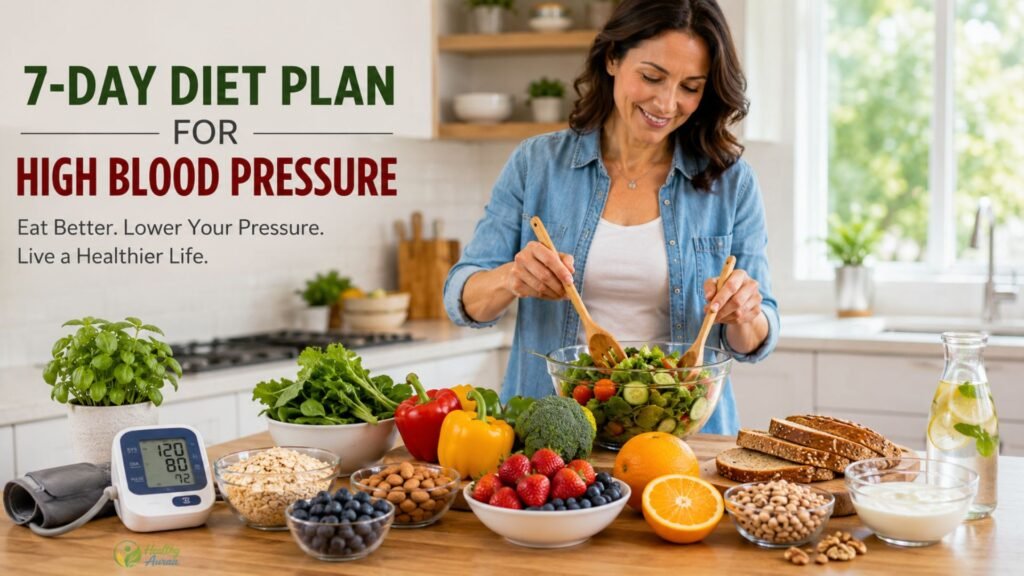
Managing high blood pressure does not have to mean eating bland food or following a complicated diet. A well-designed 7 day diet plan for high blood pressure can give you a practical starting point for changing what you eat without making every meal feel like a medical prescription.
The strongest foundation for this approach is the DASH diet, short for Dietary Approaches to Stop Hypertension. This eating pattern was developed specifically around blood-pressure research. It emphasizes fruits and vegetables, whole grains, low-fat dairy, beans, nuts, fish, poultry, and other nutrient-dense foods while reducing sodium, saturated fat, and added sugar. (NHLBI, NIH)
The goal is bigger than simply removing the saltshaker. You are building a sustainable heart-healthy diet that can support blood pressure control, cholesterol management, and long-term cardiovascular health. The following guide explains how the DASH approach works and provides a practical seven-day menu for U.S. readers.
Medical note: This article is for general education. If you have kidney disease, heart failure, diabetes, are pregnant, or take medicines that affect sodium or potassium, discuss dietary changes with your healthcare professional. Do not stop or change prescribed blood-pressure medicine without medical advice.
Table of Contents
What Is the DASH Diet?
How Does the DASH Diet Help Lower Blood Pressure?
What Foods Can You Eat on the DASH Diet?
Foods to Limit on the DASH Diet
How Much Sodium Should You Eat on the DASH Diet?
DASH Diet Recommended Servings
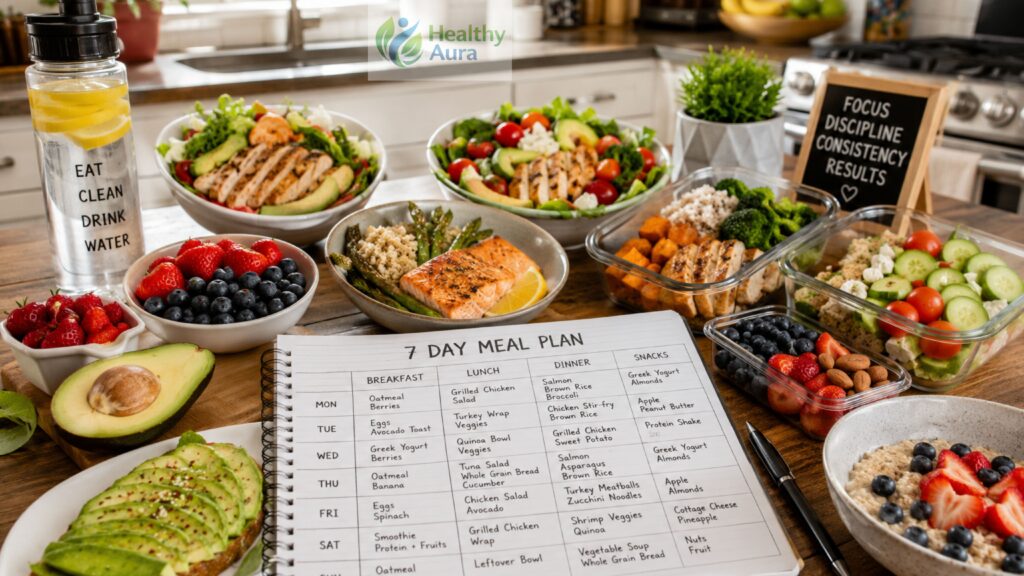
7-Day DASH Diet Meal Plan
Tips for Following the DASH Diet
DASH Diet, Alcohol and Caffeine
Frequently Asked Questions About the DASH Diet
What Is the DASH Diet?
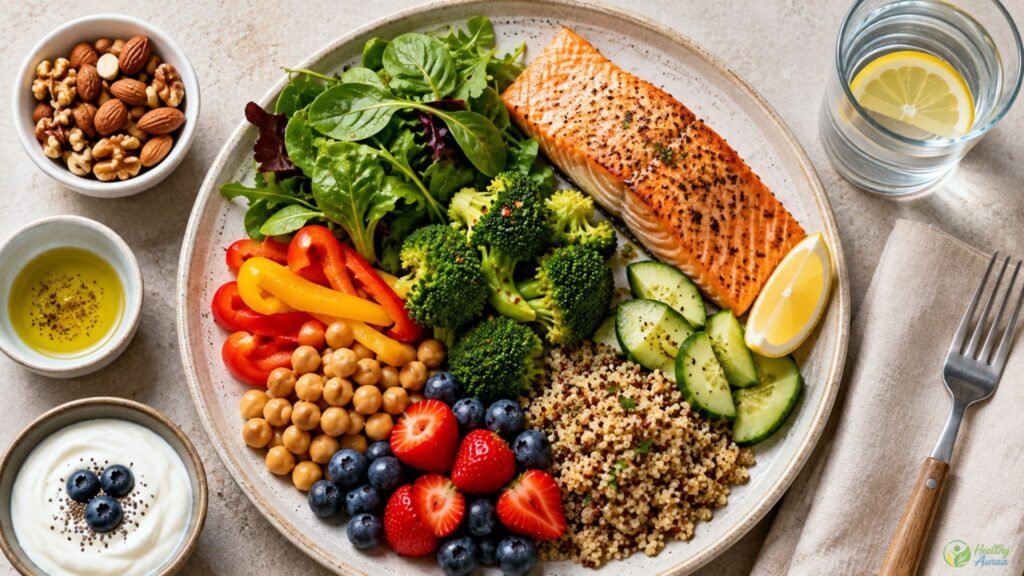
The DASH diet is a flexible healthy eating plan designed to help prevent and manage hypertension. Instead of eliminating an entire food category, it changes the balance of your meals. Vegetables, fruits, whole grains, low-fat dairy, fish, poultry, beans, nuts, and seeds become regular staples. Meanwhile, foods rich in sodium, saturated fat, and added sugar become occasional choices.
The name Dietary Approaches to Stop Hypertension describes the purpose clearly. However, DASH is not simply a “low-salt diet.” Its broader design combines potassium-rich foods, calcium-rich foods, magnesium-rich foods, fiber, and lean protein with lower sodium intake. That combination gives the eating pattern its distinctive nutritional profile. (NHLBI, NIH)
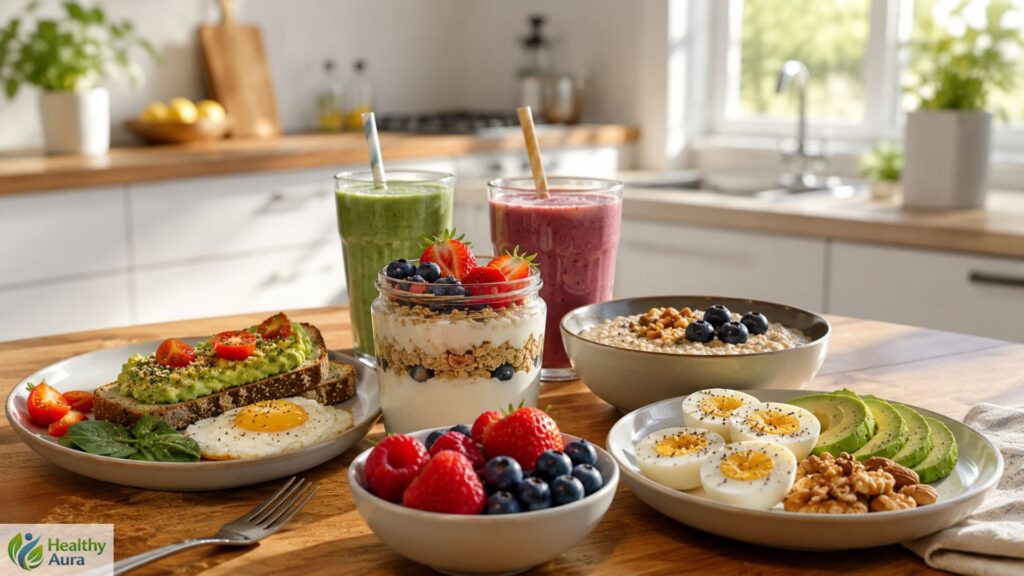
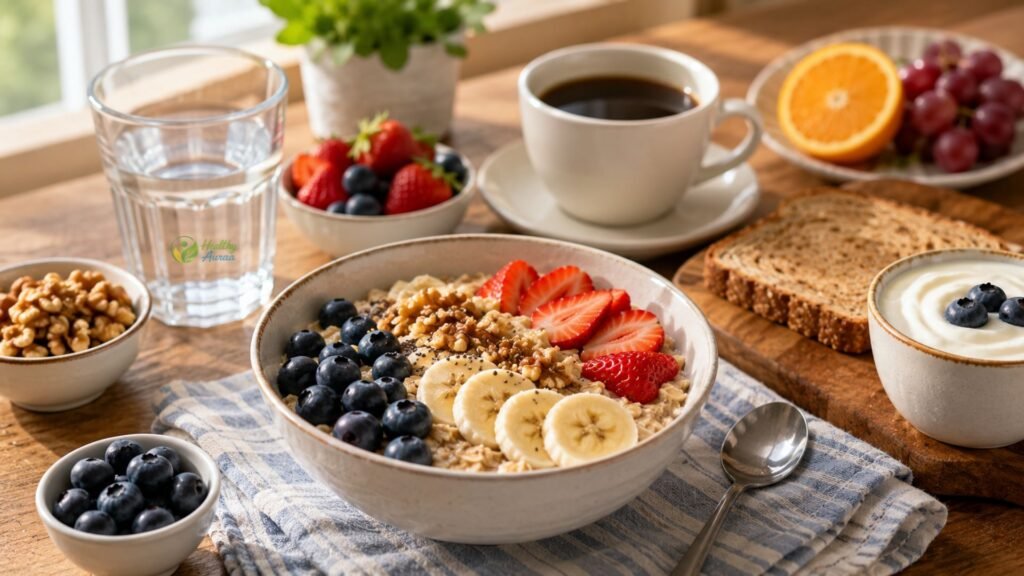
For a typical American diet, this can represent a meaningful shift. Instead of beginning the day with a processed breakfast sandwich, you might choose oatmeal with berries and plain yogurt. Instead of a deli-meat lunch, you could have grilled chicken, leafy greens, beans, and whole-grain bread.
Most importantly, DASH is intended as a long-term healthy eating style rather than a seven-day crash diet. The seven-day plan in this article simply gives you a manageable starting point. Once you understand the pattern, you can mix meals, adjust portions, and build your own balanced eating plan.
How Does the DASH Diet Help Lower Blood Pressure?
Your blood pressure responds to several dietary factors at once. Excess sodium intake can encourage the body to retain fluid, increasing the volume moving through your blood vessels. A diet rich in vegetables, fruits, whole grains, and low-fat dairy supplies nutrients that support normal vascular function and fluid balance. (Harvard Health)
The DASH pattern also changes the nutritional quality of the entire meal. You get more fiber and minerals while eating less saturated fat and fewer heavily processed foods. This matters because heart disease risk factors rarely exist in isolation. High blood pressure can occur alongside elevated LDL cholesterol, excess body weight, diabetes, and other metabolic concerns.
Research behind DASH is substantial. The original DASH research found meaningful reductions in blood pressure among participants following the dietary pattern. Later sodium research showed that reducing sodium further can produce additional blood-pressure benefits. The lower-sodium DASH approach uses 1,500 mg sodium per day rather than the standard 2,300 mg target. (Harvard Health)
That does not mean every person will experience the same numerical change. Your response depends on genetics, current sodium intake, medications, body weight, activity, kidney function, and other factors. Think of DASH as one important tool in a larger blood pressure diet and lifestyle strategy.
What Foods Can You Eat on the DASH Diet?
The easiest way to understand DASH is to picture your grocery cart. Fresh vegetables and fresh fruits should occupy plenty of space. Add oats, brown rice, whole-grain bread, beans, lentils, fish, skinless poultry, unsalted nuts, seeds, and low-fat yogurt. These foods provide the nutritional foundation of DASH. (Mayo Clinic)
Whole grain foods deserve special attention because they provide fiber along with nutrients such as magnesium and potassium. Oatmeal, barley, brown rice, whole-wheat bread, and whole-grain pasta can replace refined grains without making meals complicated. Research also suggests that greater whole-grain intake may support healthier blood pressure. (Mayo Clinic)
Beans and peas, including dried legumes, are another useful choice. Black beans, kidney beans, chickpeas, lentils, and split peas provide plant protein and fiber. They can replace some meat in chili, soups, salads, bowls, and wraps. If you use canned beans, choose no-salt-added foods when possible or rinse them before eating.
Dairy can also fit comfortably into a DASH-style pattern. Choose low-fat or fat-free dairy such as plain yogurt or low-fat milk. For cooking, small amounts of unsaturated vegetable oils can fit under the fats and oils category. The result is not a restrictive menu. It is a pattern centered on nutrient-rich foods.
Foods to Limit on the DASH Diet
The first foods to reconsider are often processed foods because they can contain substantial sodium even when they do not taste extremely salty. Deli meats, bacon, sausage, canned soups, frozen entrées, salty snacks, pizza, sauces, and many packaged meals can quickly consume your daily sodium allowance. (CDC)
You should also pay attention to saturated fat intake. Fatty cuts of meat, full-fat dairy, butter, and certain tropical oils can contribute more saturated fat than a DASH pattern recommends. Replacing some of these foods with fish, beans, poultry, nuts, seeds, and unsaturated plant oils creates a more heart-conscious eating pattern. (NHLBI, NIH)
Added sugar deserves a similar reality check. Sweetened beverages, desserts, candy, flavored coffee drinks, and many packaged snacks can add calories without providing much nutritional value. DASH therefore keeps added sugar limits modest. Naturally sweet foods such as whole fruit can make the transition easier because they provide sweetness along with fiber and other nutrients.
Restaurant meals can create another challenge. A meal that looks healthy may still contain substantial sodium from sauces, dressings, broths, cheese, marinades, or seasoning mixes. Restaurant food should not be forbidden. Instead, ask for sauces on the side, request no added salt, and check available nutrition information before ordering. (CDC)
How Much Sodium Should You Eat on the DASH Diet?
For a standard DASH diet, the commonly used sodium target is 2,300 mg sodium per day. The lower-sodium version uses 1,500 mg sodium daily and can lower blood pressure more effectively for many people. Your clinician can help determine which target makes sense for your circumstances. (NHLBI, NIH)
The distinction between salt and sodium is worth understanding. Salt contains sodium, but the terms are not identical. Sodium also appears in many packaged ingredients and additives. Therefore, simply using less table salt may not solve the entire problem. Sodium restriction works best when you examine the foods you eat throughout the day.
The CDC reports that most dietary sodium comes from packaged and restaurant foods rather than the saltshaker. Bread is a useful example because one serving may not taste salty, yet Americans often eat it repeatedly through sandwiches, toast, burgers, and other meals. (CDC)
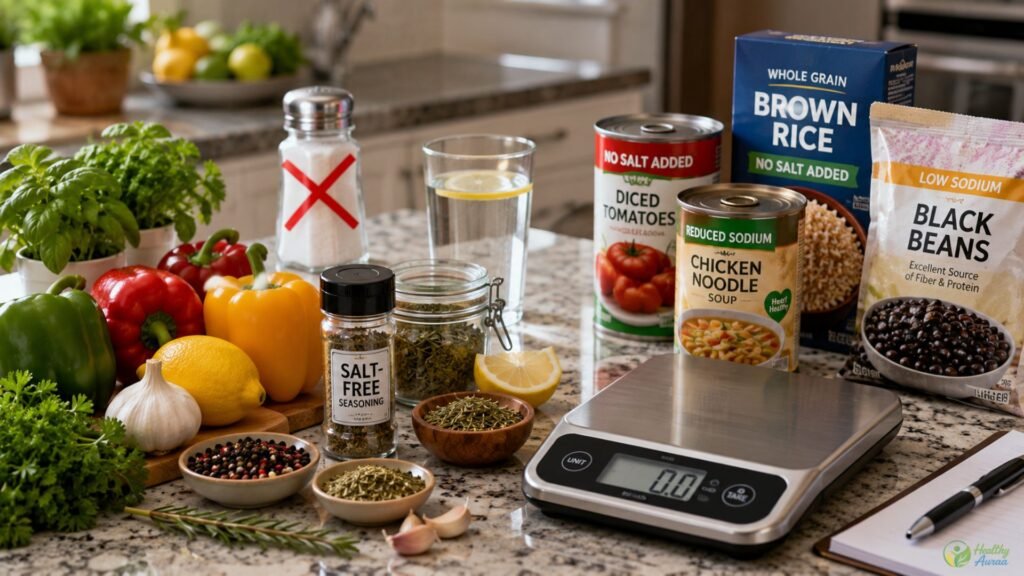
A practical strategy is to reduce sodium gradually while increasing flavor from herbs, garlic, onion, lemon juice, vinegar, pepper, paprika, ginger, and salt-free seasonings. Your taste buds can adapt to less salt over time. This makes reduce salt intake less of a punishment and more of a gradual retraining process. (Mayo Clinic)
DASH Diet Recommended Servings
The DASH diet serving sizes depend on how many calories you need. A 2,000-calorie diet is commonly used as a reference point. For that calorie level, DASH recommends about six to eight grain servings, four to five vegetable servings, four to five fruit servings, and two to three servings of low-fat or fat-free dairy each day. (NHLBI, NIH)
The recommended servings also include six or fewer one-ounce servings of lean meat, poultry, or fish each day. Nuts, seeds, and dry beans or peas generally appear as four to five servings per week. The plan also includes modest amounts of fats and oils and limits sweets to five or fewer servings weekly. (Mayo Clinic)
| DASH food group | Approximate target for a 2,000-calorie diet |
| Grains | 6–8 servings daily |
| Vegetables | 4–5 servings daily |
| Fruits | 4–5 servings daily |
| Low-fat or fat-free dairy | 2–3 servings daily |
| Lean meats, poultry, fish | 6 or fewer 1-ounce servings daily |
| Nuts, seeds, beans, peas | 4–5 servings weekly |
| Fats and oils | 2–3 servings daily |
| Sweets | 5 or fewer servings weekly |
These numbers are not a license to obsess over every bite. Serving sizes provide a framework for blood pressure-friendly nutrition. Someone eating fewer calories will generally need fewer servings. Someone with greater calorie needs may require more. (Mayo Clinic)
A useful mental model is to build meals around food groups rather than individual nutrients. A bowl containing oatmeal, berries, unsalted walnuts, and low-fat milk checks several nutritional boxes at once. That makes a balanced diet easier to follow because each meal contributes something useful.
7-Day DASH Diet Meal Plan
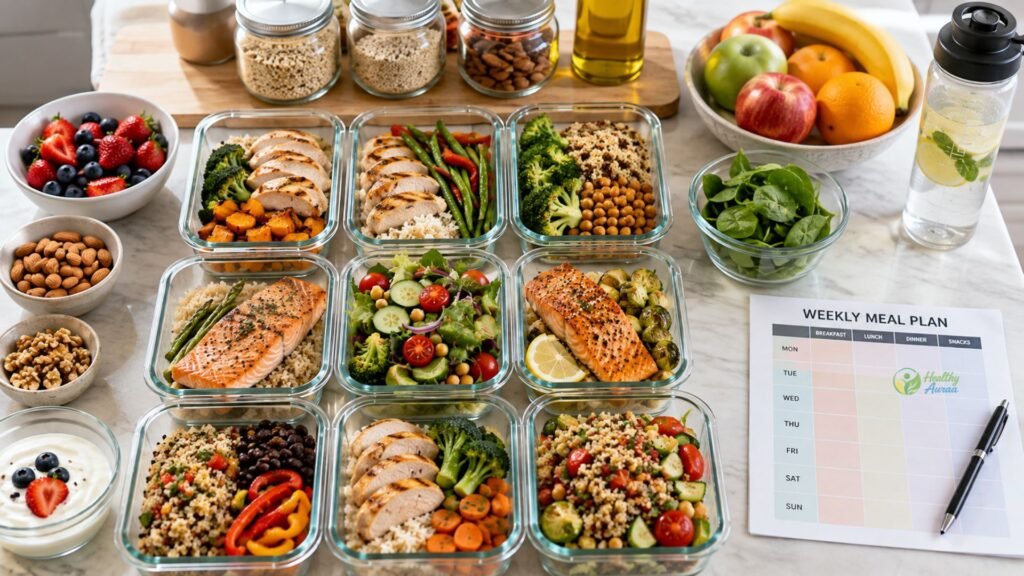
A good DASH diet meal plan should feel realistic enough to use on a busy Tuesday. The following menu is designed around familiar foods available in most U.S. grocery stores. Portions should be adjusted to your calorie needs, hunger, activity level, and medical guidance.
Day 1
Start with oatmeal topped with blueberries, unsalted walnuts, and low-fat milk. For lunch, choose a grilled chicken salad with mixed greens, tomatoes, cucumbers, and a small whole-grain roll. Dinner can feature baked salmon, brown rice, and steamed broccoli. An apple with unsalted peanut butter makes a simple snack.
Day 2
Choose plain Greek yogurt with strawberries, oats, and a small handful of unsalted nuts for breakfast. Lunch can be a homemade lentil soup with a large vegetable salad. For dinner, combine skinless chicken, roasted sweet potato, and green beans. An orange and a few unsalted almonds can fill the afternoon gap.
Day 3
Have whole-grain toast with avocado, a boiled egg, and fresh fruit in the morning. At lunch, make a turkey and vegetable whole-grain wrap using lower-sodium ingredients. Dinner can be a bean and vegetable chili served with brown rice. Plain yogurt with berries provides a naturally sweet evening option.
Day 4
Oatmeal with banana, cinnamon, and unsalted walnuts makes a filling breakfast. For lunch, combine tuna, white beans, leafy greens, tomatoes, and lemon juice. Dinner can feature grilled chicken, quinoa, and roasted vegetables. A pear with unsalted nuts works well between meals.
Day 5
Begin with low-fat yogurt, berries, and unsweetened whole-grain cereal. Lunch can be a chickpea and vegetable bowl with brown rice. For dinner, try baked cod, a roasted sweet potato, and sautéed spinach prepared with a small amount of vegetable oil. Fresh fruit can replace a packaged dessert.
Day 6
A vegetable omelet with whole-grain toast and an orange provides protein and produce at breakfast. Lunch can combine grilled chicken, avocado, cucumber, tomatoes, and leafy greens. Dinner can be a lentil and vegetable stew served with a modest whole-grain portion. A banana with unsalted almonds makes a convenient snack.
Day 7
Finish the week with oatmeal, diced apple, cinnamon, and unsalted walnuts. Lunch can be a whole-grain bean and vegetable wrap with fresh fruit. For dinner, serve baked salmon with quinoa and asparagus. Plain Greek yogurt topped with berries can provide a simple final snack.
| Day | Breakfast | Lunch | Dinner |
| 1 | Oatmeal, berries, walnuts, low-fat milk | Chicken salad, whole-grain roll | Salmon, brown rice, broccoli |
| 2 | Greek yogurt, strawberries, oats | Lentil soup, vegetable salad | Chicken, sweet potato, green beans |
| 3 | Whole-grain toast, avocado, egg, fruit | Turkey vegetable wrap | Bean chili, brown rice |
| 4 | Oatmeal, banana, walnuts | Tuna and white-bean salad | Chicken, quinoa, roasted vegetables |
| 5 | Yogurt, berries, whole-grain cereal | Chickpea vegetable bowl | Cod, sweet potato, spinach |
| 6 | Vegetable omelet, toast, orange | Chicken and avocado salad | Lentil vegetable stew |
| 7 | Apple oatmeal, walnuts | Bean vegetable wrap | Salmon, quinoa, asparagus |
Tips for Following the DASH Diet
The most successful healthy eating plan is the one you can repeat. Trying to transform every meal overnight can create unnecessary frustration. Instead, start with one change. Replace a salty breakfast food. Add another serving of vegetables. Switch regular canned beans for a no-salt-added version.
Shopping habits can make the entire process easier. Read nutrition labels before buying sauces, soups, breads, frozen meals, meats, and snacks. Compare similar products and choose the lower-sodium option. The CDC specifically recommends reducing sodium from packaged and prepared foods because these foods account for much of the sodium Americans consume. (CDC)
Cooking at home gives you another advantage. You control the amount of salt, sauces, oils, and seasonings that enter the recipe. Use garlic, basil, oregano, rosemary, black pepper, lemon, vinegar, ginger, or salt-free seasonings to create flavor without depending heavily on sodium.
A useful rule: Do not ask, “What can I no longer eat?” Ask, “What can I add that makes this meal better?”
That psychological shift matters. A diet based entirely on restriction can feel temporary. A healthy lifestyle built around satisfying meals feels much more sustainable. Harvard Health also emphasizes the flexibility and long-term appeal of DASH rather than treating it as a short-lived diet challenge. (Harvard Health)
DASH Diet, Alcohol and Caffeine
Alcohol deserves careful attention when you are managing hypertension. Drinking can raise blood pressure in some people, especially when intake becomes more than moderate. Mayo Clinic advises limiting alcohol and notes that less alcohol is generally better for blood pressure. (Mayo Clinic)
The relationship between alcohol and blood pressure is also influenced by how much you drink and how often. If you drink, discuss your intake with your healthcare professional. Alcohol can also add calories and may make healthy food choices harder later in the evening.
Caffeine is different. Caffeine and blood pressure does not affect everyone in exactly the same way. Caffeine can cause a temporary rise in blood pressure in some people. The DASH eating pattern itself does not establish a universal caffeine limit. If you notice a consistent increase after coffee or energy drinks, discuss that pattern with your healthcare professional. (Mayo Clinic)
For most meals, water and unsweetened beverages are simple choices. Be especially careful with energy drinks, sweetened coffee beverages, sodas, and large specialty drinks. They can add substantial sugar and calories without contributing much to the nutrient profile of your heart-healthy diet.
Frequently Asked Questions About the DASH Diet
Can a 7 day diet plan for high blood pressure lower blood pressure?
A 7 day diet plan for high blood pressure can be a useful starting point, but seven days does not guarantee a particular blood-pressure reading. Research supports DASH as a dietary approach for lowering blood pressure, while individual results vary. (NHLBI, NIH)
Your results can depend on your previous diet, sodium intake, medications, weight, physical activity, kidney function, genetics, and other health conditions. The bigger goal is to turn the seven-day menu into a sustainable routine.
What is the best breakfast for high blood pressure?
A strong breakfast combines whole grains, fruit, and a protein-rich food without excessive sodium. Oatmeal with berries, unsalted walnuts, and plain low-fat yogurt is one simple example.
Eggs can also fit into a DASH-style breakfast. Pair them with vegetables and whole-grain toast rather than high-sodium bacon or sausage.
Can you eat eggs on the DASH diet?
Yes. Eggs can fit within DASH when eaten as part of an overall balanced pattern. The focus remains on your total dietary pattern rather than treating one food as automatically good or bad.
Pairing eggs with vegetables and whole grains can create a more balanced meal. The bigger concern is often what accompanies the eggs, such as processed meats, salty cheese, or heavily salted sauces.
Are bananas good for high blood pressure?
Bananas provide potassium and can fit into a DASH-style pattern. Other potassium-rich foods include potatoes, sweet potatoes, oranges, spinach, broccoli, melons, and some dairy products. (CDC)
However, more potassium is not automatically appropriate for everyone. Kidney disease and certain medications can change how your body handles potassium. If either applies to you, ask your healthcare professional before deliberately increasing potassium intake.
How much sodium should you eat with high blood pressure?
The standard DASH target is 2,300 mg sodium daily. A lower-sodium DASH pattern uses 1,500 mg sodium per day and can provide greater blood-pressure reduction. Your healthcare professional can help determine the most appropriate target for you. (NHLBI, NIH)
Can you eat restaurant food while following DASH?
Yes. Restaurant food can fit into DASH when you make deliberate choices. Check nutrition information when available. Ask for no added salt and request sauces or dressings separately.
Choose grilled or baked foods more often than heavily fried or processed options. Fresh fruit or vegetables can replace fries or salty side dishes. These small decisions can significantly change the sodium content of a meal. (CDC)
What foods lower blood pressure naturally?
There is no single magic food that reliably treats high blood pressure. Instead, DASH emphasizes a pattern containing foods that lower blood pressure as part of an overall diet. Fruits, vegetables, whole grains, low-fat dairy, beans, nuts, seeds, fish, and other minimally processed foods form the core.
These foods can provide potassium, calcium, magnesium, fiber, and protein while helping reduce excess sodium and saturated fat. (NHLBI, NIH)
Is DASH enough to control hypertension?
Not necessarily. Hypertension management can involve nutrition, physical activity, weight management, sleep, stress management, medication, and regular blood-pressure monitoring. The CDC recommends working with your healthcare team when managing high blood pressure. (CDC)
DASH should therefore be viewed as part of a broader strategy for heart health, not as a substitute for medical treatment. If your clinician has prescribed medication, continue taking it as directed unless they tell you otherwise.
What should you do if you miss a day?
Simply continue with your next meal. One salty restaurant meal does not erase an entire week of heart-healthy eating.
The real value of a balanced eating plan comes from repeated choices over weeks and months. You do not need perfect adherence. You need a pattern that is practical enough to keep using.
Final Thoughts
A 7 day diet plan for high blood pressure works best when you see it as a starting framework rather than a temporary challenge. The core idea is remarkably straightforward: eat more vegetables, fruits, whole grains, beans, nuts, seeds, fish, and low-fat dairy while reducing sodium, saturated fat, added sugar, and heavily processed foods.
The evidence supporting DASH diet eating is substantial. NHLBI describes DASH as a flexible eating pattern designed for long-term heart health. The CDC likewise identifies DASH as an evidence-based approach that can help prevent or lower high blood pressure. (NHLBI, NIH)
Your first week does not need to be perfect. Start by replacing the foods that contribute the most sodium. Add more nutrient-rich foods to meals you already enjoy. Read labels more carefully. Cook more often when possible. Over time, these choices can become ordinary rather than difficult.
Ultimately, blood pressure-friendly nutrition is not about making your meals boring. It is about giving your body more of the foods that support cardiovascular health while gradually reducing the foods that can work against it. A colorful plate, sensible portions, less sodium, and consistency can take you much farther than another short-lived diet trend.
Medical and Evidence-Based References
The recommendations above are based primarily on current guidance and educational material from the National Heart, Lung, and Blood Institute, CDC, Mayo Clinic, Harvard Health, Johns Hopkins Medicine, and Cleveland Clinic. (NHLBI, NIH)
For detailed DASH serving information, sodium targets, and meal-planning guidance, the NHLBI provides official DASH resources based on calorie needs and sodium levels. (NHLBI, NIH)